Musk’s OpenAI Defeat and Tehran’s New Hormuz Authority: A Night of Legal and Geopolitical Shifts
شکست ایلان ماسک در پرونده OpenAI و تاسیس سازمان مدیریت تنگه هرمز توسط ایران: شب تحولات حقوقی و ژئوپلیتیک
Silicon Valley's trial of the century ends in a loss for Elon Musk, while Tehran formalizes its control over the Strait of Hormuz with a new regulatory body. Meanwhile, the Toman sees a slight recovery as gold coins slide 1.8%.
At time of publishing
USD
179,650
Toman
Gold 18K
19.77M
Toman / gram
Bitcoin
$76,608
US Dollar
Tether
17,879.9
Toman
The Verdict: Musk Loses Landmark Lawsuit Against OpenAI
In a decision that has sent shockwaves through Silicon Valley, a federal jury has ruled against Elon Musk in his blockbuster lawsuit against OpenAI and its CEO, Sam Altman. The jury found that Musk, the world’s richest man and an original co-founder of the AI giant, had waited far too long to bring his claims to court. The trial, which pitted the competing visions of the industry’s most powerful figures against one another, was ultimately decided on the technicality of the statute of limitations rather than the philosophical debate over whether OpenAI abandoned its non-profit mission.
Musk’s legal team argued that Altman and other executives breached a "founding agreement" by pivoting toward a profit-driven model and partnering with Microsoft. However, OpenAI’s defense successfully painted the lawsuit as a case of "founder’s remorse," suggesting Musk was merely trying to handicap a competitor he no longer controlled. While Musk’s lawyers have already signaled their intent to appeal, the verdict solidifies Sam Altman’s leadership and OpenAI’s current trajectory as the dominant force in the generative AI era. For the broader tech market, this removes a massive cloud of uncertainty, though it leaves the ethical questions about AI's commercialization largely unanswered.

Tehran Formalizes Control: The Birth of the Persian Gulf Strait Authority
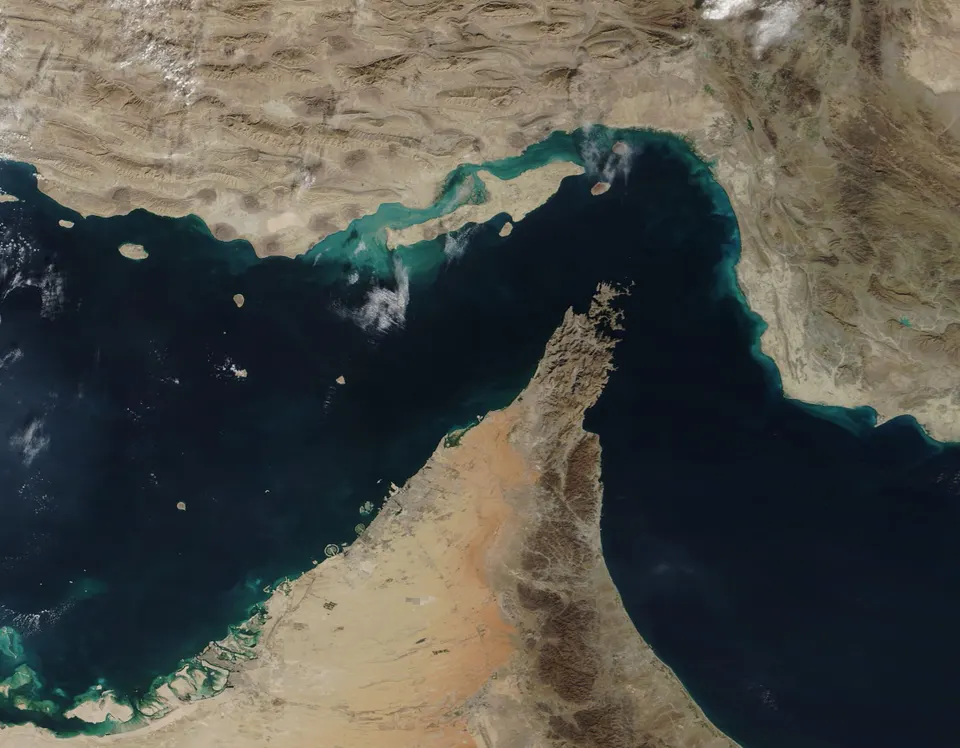
Iran's Supreme National Security Council has officially announced the formation of the Persian Gulf Strait Authority (PGSA), a new body dedicated to managing the Strait of Hormuz. This move represents a significant escalation in Tehran’s strategy to institutionalize its influence over one of the world’s most critical maritime chokepoints. According to official statements, the PGSA will provide real-time operational updates and, more controversially, manage the proposed transit fees for vessels traversing the waterway. This institutionalization signals that Iran is moving beyond temporary threats of closure toward a permanent regulatory framework for the strait.
This development comes at a time when regional tensions are already at a boiling point. By creating a formal administrative body, Tehran is asserting a legalistic claim over the shipping lanes, effectively challenging the international principle of innocent passage. For global markets, this adds a layer of "administrative risk" to oil shipping; if the PGSA begins enforcing tolls or specialized inspections, the cost of maritime insurance and crude oil delivery could spike permanently. Traders are watching closely to see how the U.S. and its allies respond to what is being viewed as a de facto annexation of international shipping rights.
Geopolitical Pivots: Trump’s Gaze Turns Toward Havana
As the Trump administration’s campaign for a decisive "win" regarding Iran appears to have hit a stalemate, the White House is reportedly shifting its diplomatic and intelligence focus toward Cuba. In a surprising move, the CIA Director was dispatched to Havana last week, offering potential aid even as the U.S. maintains its long-standing blockade. Analysts suggest that the administration is looking for a foreign policy victory in the Caribbean to offset the complexities of the Middle Eastern crisis. This "carrots and sticks" approach reflects a tactical pivot, perhaps hoping that a breakthrough in Havana could serve as a template for other resisting nations.
For Iranian observers, this shift is significant as it suggests a temporary redistribution of American diplomatic resources. However, it does not mean the pressure on Tehran has vanished; rather, the administration may be attempting to isolate Iran’s traditional allies in the Western Hemisphere to further tighten the global net. This change in focus comes just as reports emerge of a new Iranian peace proposal being circulated via Pakistan, indicating that while the public rhetoric remains fierce, back-channel maneuvers are intensifying to find a face-saving exit for all parties involved in the regional conflict.
Market Update: Toman Gains Ground as Gold Coins Retreat
In the local Iranian markets, the start of the week has brought a slight cooling of the recent price fever. The USD/IRR pair moved from 180,400 down to 179,650, representing a -0.4% correction. This stabilization is partly attributed to the news of potential diplomatic openings and the formalization of the PGSA, which some traders interpret as a move toward stability rather than unpredictable conflict. Meanwhile, the gold market saw a more pronounced shift; the 18k gold price per gram fell from 19,839,558 to 19,765,224 (-0.4%), while the Emami coin experienced a notable decline of -1.8%, dropping from 194,500,000 to 191,000,000 Toman.
This domestic cooling occurs against a backdrop of "frothy" global markets. Financial analysts in the U.S. have warned that several sectors of the S&P 500 are showing signs of a bubble, with some suggesting a 30% chance of a market crash within the next two years. Interestingly, while Nvidia remains a focal point of investor debate ahead of its earnings report, experts suggest other sectors may actually be more overextended than the AI giant. For Iranian investors, the divergence between a softening local currency and a potentially peaking global equity market creates a complex environment for capital preservation, pushing many to look back toward traditional assets like gold despite the current intraday dip.
Frequently Asked Questions
Why did Elon Musk lose the lawsuit against OpenAI?
What is the Persian Gulf Strait Authority (PGSA)?
Why is the U.S. shifting focus to Cuba?
How did the Iranian gold market react today?
The Right of Transit Passage Through International Straits
International law recognises a special regime for narrow bodies of water that connect two parts of the high seas or exclusive economic zones – the so‑called international straits. Under the United Nations Convention on the Law of the Sea (UNCLOS), ships of all states enjoy the right of transit passage, meaning they may sail through the strait without needing prior permission, provided they proceed continuously and expeditiously and do not threaten the security of the coastal state. This right is broader than innocent passage, which applies to territorial seas, because it cannot be suspended for political or economic reasons.
The Strait of Hormuz, a 39‑km‑wide chokepoint between Oman and Iran, exemplifies the strategic importance of this regime. Roughly 20% of global oil consumption transits the Hormuz corridor daily, making any attempt by a coastal state to levy transit fees or restrict navigation a matter of international concern. While Iran has occasionally threatened to impose fees or close the strait, such actions would likely breach UNCLOS provisions and could trigger collective responses from naval coalitions that patrol the waterway to guarantee free navigation.
The legal framework also defines the responsibilities of coastal states: they must not hamper the passage, must keep the strait clear of hazards, and may regulate safety and environmental standards. However, they cannot impose customs duties, taxes, or discriminatory licensing on ships merely exercising their right of transit passage. This balance seeks to protect both the sovereign interests of littoral nations and the global need for uninterrupted maritime trade.
Understanding the right of transit passage is crucial for interpreting news about new “Hormuz authorities” or proposed transit fees. Any legitimate authority must operate within UNCLOS limits, focusing on safety, environmental protection, and anti‑piracy measures rather than revenue generation. Violations can lead to diplomatic disputes, sanctions, or even naval confrontations, as seen in past incidents involving U.S. and Iranian warships.
For policymakers and investors alike, the stability of strait regimes influences oil prices, shipping costs, and regional security calculations. When headlines mention legal battles over Hormuz fees, the underlying issue is whether a state is respecting the internationally recognised right of transit passage or attempting to reshape the legal order for political gain.
Topics
Related Articles