Iran War Stalls UK Economy; Trump's Iran Strike Paused
جنگ ایران اقتصاد بریتانیا را متوقف کرد؛ توقف حمله ترامپ به ایران
The Iran conflict has disrupted economic recovery in the UK, with unemployment rising to 5%. Meanwhile, Trump has paused a military strike on Iran at the request of Gulf allies, creating geopolitical ripples.
At time of publishing
USD
179,500
Toman
Gold 18K
19.76M
Toman / gram
Bitcoin
$77,109
US Dollar
Tether
17,785
Toman
Iran War Disrupts UK Economic Recovery
The ongoing conflict involving Iran has significantly impacted the UK's economic landscape, as recent reports indicate a rise in unemployment to 5%. This figure marks a setback after a previous dip in unemployment rates earlier this year. The Office for National Statistics highlighted that the economic strain is largely attributed to the war in Iran, which has put pressure on the global supply chain and affected business operations across Europe. The situation has exacerbated existing economic woes, leaving UK households to brace for a challenging year.
The increase in unemployment is not an isolated issue, as it reflects broader economic disruptions due to the conflict. The ripple effects of the war are felt in trade relations, currency stability, and consumer confidence. For Iranian readers, this development signals potential shifts in currency expectations and trade dynamics. The pressure on the UK economy could translate into changes in trade policies and sanctions, impacting Iranian businesses and markets directly.

Trump Pauses Iran Strike Amid Gulf Tensions
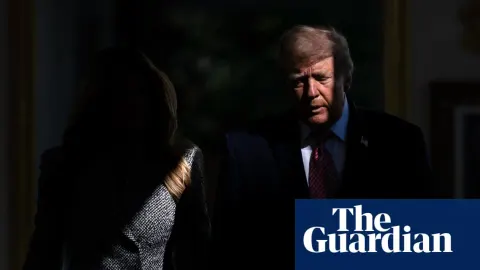
In a surprising turn of events, President Donald Trump announced the suspension of a planned military strike on Iran. This decision came after requests from Gulf states, including Qatar, Saudi Arabia, and the UAE, to allow for continued peace talks. The announcement has sent shockwaves through global markets, as investors and political analysts reassess the potential for conflict escalation in the Middle East.
The pause in military action highlights the complex geopolitical landscape and the influence of regional allies in shaping US foreign policy. For Iran and its neighbors, this development brings a temporary respite, but the underlying tensions remain. The decision could impact currency fluctuations and oil prices, crucial for economies heavily reliant on energy exports. The situation underscores the delicate balance of power in the region and the ongoing diplomatic efforts to prevent further conflict.

Violence Erupts in Spain Amid Domestic Tensions
A tragic shooting in southern Spain has left two people dead, with reports indicating that babies were among the injured. The suspect, a 25-year-old man, allegedly killed his parents and injured others in an incident that has shocked the nation. This violent act has drawn attention to the rising domestic tensions and the challenges facing law enforcement in addressing such incidents.
The Spanish authorities are investigating the motives behind the shooting, which comes amid a backdrop of social unrest and economic challenges. The incident highlights the need for comprehensive strategies to tackle domestic violence and support affected communities. The repercussions of such events extend beyond national borders, affecting perceptions of safety and stability in Europe.

Frequently Asked Questions
How has the Iran conflict affected the UK economy?
Why did Trump pause the planned strike on Iran?
What are the implications of the shooting in Spain?
Understanding Geopolitical Risk: How Distant Conflicts Affect Global Economies
When headlines speak of conflicts in one part of the world, like an "Iran War" or a "Trump Iran Strike," and immediately link them to economic impacts in a seemingly distant nation, such as the "UK Economy stalls," they are illustrating the profound concept of Geopolitical Risk. This term refers to the risk associated with political decisions, events, or instabilities in one region that can have significant repercussions on global markets, trade, and the economies of countries far removed from the immediate conflict zone. It encompasses a wide range of factors, from armed conflicts and international sanctions to political instability and shifts in government policies.
The primary mechanisms through which geopolitical risk transmits its effects across the globe are often tied to critical resources and global supply chains. A conflict in the Middle East, for instance, frequently leads to heightened uncertainty in global energy markets, causing oil and gas prices to surge. As major importers of energy, nations like the UK face increased costs for businesses and consumers, which can fuel inflation and dampen economic activity. Furthermore, disruptions to vital shipping lanes, such as the Strait of Hormuz, can impede the flow of goods, creating bottlenecks in global supply chains and driving up the cost of international trade.
Beyond direct resource and trade impacts, geopolitical risk significantly influences investor confidence. Uncertainty stemming from potential conflicts or escalating tensions makes investors hesitant to commit capital, leading to capital flight from riskier assets, reduced foreign direct investment, and increased volatility in stock markets. This can weaken currencies, raise borrowing costs for governments and corporations, and ultimately slow down economic growth. Even the threat of conflict, as suggested by the "Trump Iran Strike Paused" in the headline, can be enough to trigger these market jitters and economic slowdowns.
Therefore, understanding geopolitical risk is crucial for comprehending how seemingly localized political events can ripple outwards, impacting diverse sectors from energy prices and manufacturing to tourism and financial markets worldwide. It highlights the interconnected nature of the modern global economy, where political stability in one region is, to a significant extent, a prerequisite for economic stability everywhere else.
Topics
Related Articles