
Manchester Trial Collapse and Nigeria's Oil Surge: Markets React to Regional Standoff
توقف دادگاه جنجالی منچستر و خیز نیجریه برای تصاحب بازار نفت؛ تداوم پیشتازی طلا در بازار تهران
A high-profile trial in the UK involving brothers of Iranian descent has seen the jury discharged, while Nigeria ramps up oil production to fill the gap left by Middle Eastern disruptions. Domestically, the Toman continues its climb as gold prices hit new highs amid persistent geopolitical uncertainty.
At time of publishing
USD
179,800
Toman
Gold 18K
19.70M
Toman / gram
Bitcoin
$77,047
US Dollar
Tether
17,700
Toman
Legal Deadlock in Manchester and the Diaspora Connection
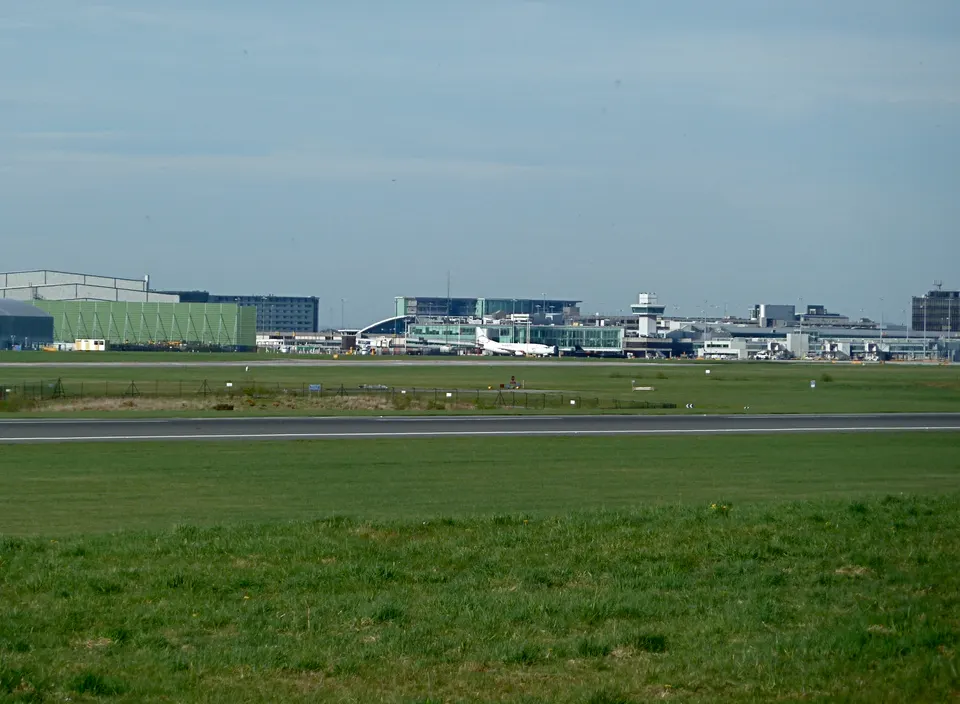
In a development that has captured the attention of the Iranian and South Asian communities in the United Kingdom, the jury in the trial of brothers Mohammed Fahir Amaaz and Muhammad Amaad has been discharged. The brothers, who had denied assaulting a police officer at Manchester Airport, were at the center of a case that sparked significant public debate over policing and civil rights. The discharge of the jury means that the legal process has reached a temporary standstill, leaving the final resolution of this high-stakes incident in limbo for the time being.
For Iranian readers and the wider diaspora, such legal proceedings are often viewed through the lens of broader social and diplomatic tensions. In an era where geopolitical friction between Tehran and Western capitals is at its peak, the treatment of individuals of Middle Eastern descent in European legal systems is closely monitored. This case, in particular, had become a symbol of the friction between law enforcement and minority communities, and its sudden pause adds to the atmosphere of uncertainty surrounding the rights and perceptions of the diaspora during times of international crisis.
Nigeria Ramps Up Production as Global Oil Supply Tightens
As the ongoing conflict in the Middle East continues to disrupt traditional energy flows, Nigeria is moving aggressively to fill the void. The Nigerian Upstream Petroleum Regulatory Commission (NUPRC) has announced a target to increase crude oil production by 100,000 barrels per day (bpd) in the immediate term. This move is a direct response to the supply gaps created by the instability in the Persian Gulf and the Strait of Hormuz. With total liquid volume output already hitting 1.66 million bpd, Nigeria is leveraging its high-performing offshore assets like Bonga and Egina to capture a larger share of the global market.
This shift in production dynamics is a critical signal for the global economy. While oil prices have seen a slight retreat below $105 a barrel on hopes of a potential U.S.-Iran deal, the structural reality remains one of extreme volatility. For Iran, the entry of other OPEC+ members like Nigeria into the supply gap reduces Tehran’s long-term leverage. As global consumers seek more stable alternatives to Middle Eastern crude, countries with offshore capacity are becoming the new linchpins of energy security, potentially altering the geopolitical balance of power for years to come.
Domestic Markets: Gold Outpaces the Dollar Amid Inflation Woes
In the Iranian domestic market, the trend of "fear-hedging" continues to dominate investor behavior. Over the last 24 hours, the price of 18k gold rose from 19,476,660 to 19,702,433 Toman, marking a significant 1.2% increase. This surge outpaced the US Dollar’s movement, which saw a more modest 0.5% rise, moving from 178,900 to 179,800 Toman. The Emami gold coin also followed suit, jumping 1.3% to reach 193,500,000 Toman. These figures suggest that local investors are increasingly prioritizing gold as a safe haven, wary that currency fluctuations may not fully capture the underlying geopolitical risks.
This divergence between gold and the dollar reflects a deeper economic sentiment within the country. While the dollar remains the primary benchmark for daily transactions, the accelerated rise in gold prices indicates a lack of confidence in short-term diplomatic resolutions. Even as global oil prices dip on rumors of a deal, the Iranian street remains skeptical, choosing the tangible security of precious metals over the volatility of the forex market. This behavior is compounded by global trends, where the gold ounce is trading at a staggering $4,527.50, reinforcing the narrative that we are in a prolonged era of high-value commodities.
Institutional Shifts: From UK Energy to Ivy League Standards
While markets focus on oil and gold, institutional shifts in the West are signaling a preparation for long-term economic austerity. In the UK, Chancellor Rachel Reeves is proposing significant planning reforms to fast-track clean energy projects, specifically to reduce exposure to the economic fallout from Middle Eastern conflicts. By designating these projects as being of "critical national importance," the UK government aims to bypass legal challenges and judicial reviews, highlighting how energy security has now superseded traditional environmental and administrative bureaucracy.

Simultaneously, even academic institutions are grappling with the effects of "inflation"—albeit of a different kind. Harvard College has announced a mandatory cap on A grades, limited to roughly 20% of students, to combat decades of grade inflation. While this may seem distant from the world of oil and gas, it reflects a broader global trend of institutional tightening. Whether it is the value of a currency, the price of a barrel of oil, or the prestige of a university degree, the world is currently engaged in a massive recalibration of value in response to a decade of over-expansion and subsequent crisis.
Frequently Asked Questions
Why was the jury discharged in the Manchester Airport trial?
How is Nigeria impacting global oil prices during the Iran conflict?
Why is gold rising faster than the US Dollar in Iran?
What are the new energy policies in the UK mentioned by Rachel Reeves?
Geopolitical Risk and Global Oil Markets: The Strait of Hormuz Example
Geopolitical risk refers to the potential for political instability, conflicts, or tensions between nations to disrupt economic activity and market stability. While these risks can affect various sectors, commodity markets, particularly oil, are exceptionally sensitive. This is due to oil's strategic importance as a primary energy source, its global demand, and the concentration of its production and transit routes in politically volatile regions.
Oil is not merely an energy commodity; it is a geopolitical instrument, deeply intertwined with international relations and national security. A significant portion of the world's oil supply originates from a few key regions, and its transport relies heavily on critical maritime chokepoints. Any real or perceived threat to these chokepoints can immediately trigger a global market reaction, leading to price volatility and supply concerns.
The Strait of Hormuz stands as a prime example of such a critical chokepoint. This narrow waterway, situated between the Persian Gulf and the Gulf of Oman, is one of the world's most strategically important maritime passages. A substantial percentage of the world's seaborne oil, along with liquefied natural gas, passes through this strait daily. Consequently, any disruption or credible threat of disruption—whether due to regional standoffs, naval incidents, or political tensions—can instantly create immense uncertainty about global oil supply, causing international crude oil prices to surge dramatically. The sheer volume of oil passing through makes alternative routes largely impractical for sustained periods.
The ripple effects of such a surge in oil prices are far-reaching. Higher oil prices translate into increased transportation costs across industries, contributing to inflation, reducing consumer purchasing power, and potentially slowing down global economic growth. Furthermore, geopolitical tensions affecting oil markets often prompt investors to seek refuge in "safe-haven" assets like gold, driving up its price, and can lead to significant fluctuations in currency exchange rates, particularly for oil-exporting or import-dependent nations.
Topics
Related Articles