Trump’s Global Pressure: Raúl Castro Indicted, US Boards Iranian Tanker, and Oil Prices Slide
فشار جهانی ترامپ: کیفرخواست علیه رائول کاسترو، توقیف نفتکش ایرانی و سقوط قیمت نفت
The Trump administration has unsealed a historic indictment against former Cuban leader Raúl Castro, while the US Navy's boarding of an Iranian tanker has intensified Middle East tensions. Despite the friction, global oil prices fell below $105 as rumors of a potential US-Iran diplomatic breakthrough circulate.
At time of publishing
USD
179,600
Toman
Gold 18K
19.70M
Toman / gram
Bitcoin
$77,438
US Dollar
Tether
17,731.9
Toman
The Castro Indictment: A New Era of Legal Diplomacy
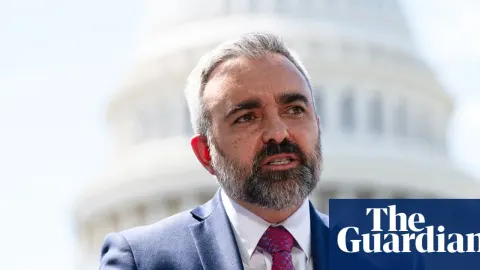
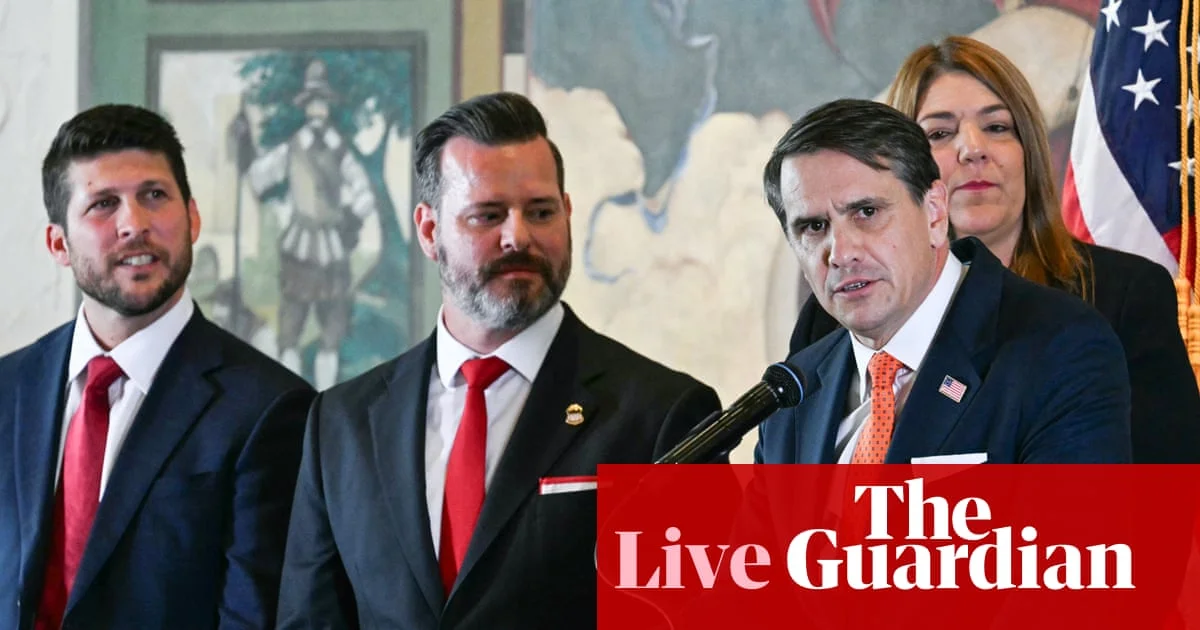
In a move that has stunned the international diplomatic community, Acting US Attorney General Todd Blanche announced the unsealing of an indictment against former Cuban President Raúl Castro. The charges stem from the 1996 downing of two civilian planes, an event that has long been a point of contention in US-Cuba relations. This escalation is seen as a cornerstone of the Trump administration’s broader strategy to use the American legal system as a high-pressure tool against adversarial regimes. By targeting a figure as prominent as Castro, the administration is signaling that no former head of state is beyond the reach of US judicial reach if their actions harmed American interests or citizens.
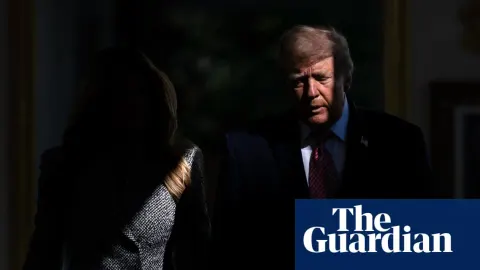
During the press conference, the rhetoric quickly shifted toward the Middle East. When questioned about the timeline for potential Israeli strikes on Iran, President Trump remarked that Prime Minister Netanyahu would "do whatever I want him to do," citing a perceived 99% approval rating in Israel. This suggests a highly centralized foreign policy where the White House expects total alignment from its allies. For Iranian observers, this legal move against Cuba serves as a warning: the current US administration is willing to revive decades-old grievances to build leverage in contemporary negotiations.
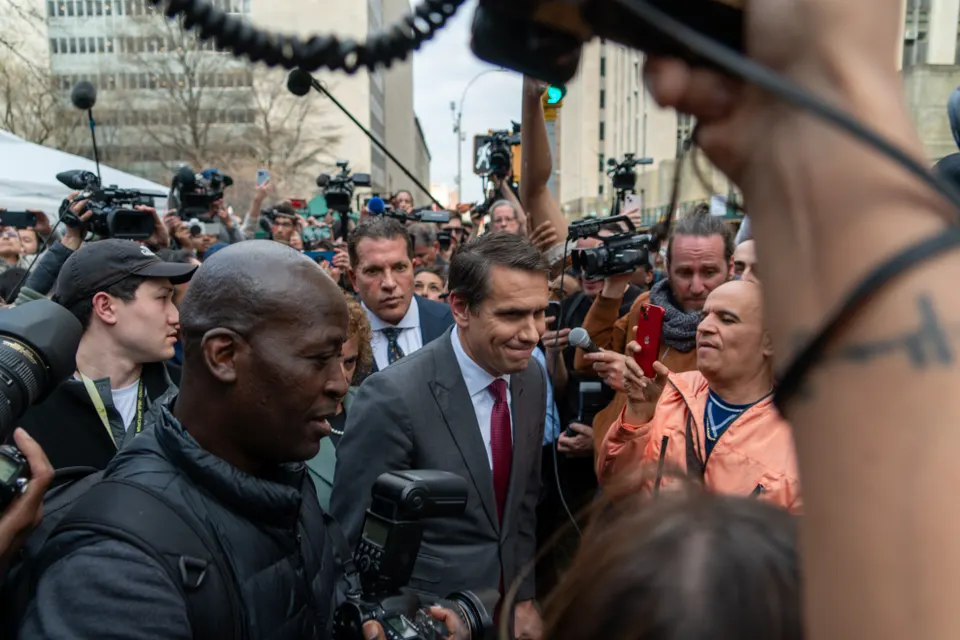
High-Stakes Maritime Standoff: US Boards Iranian Tanker
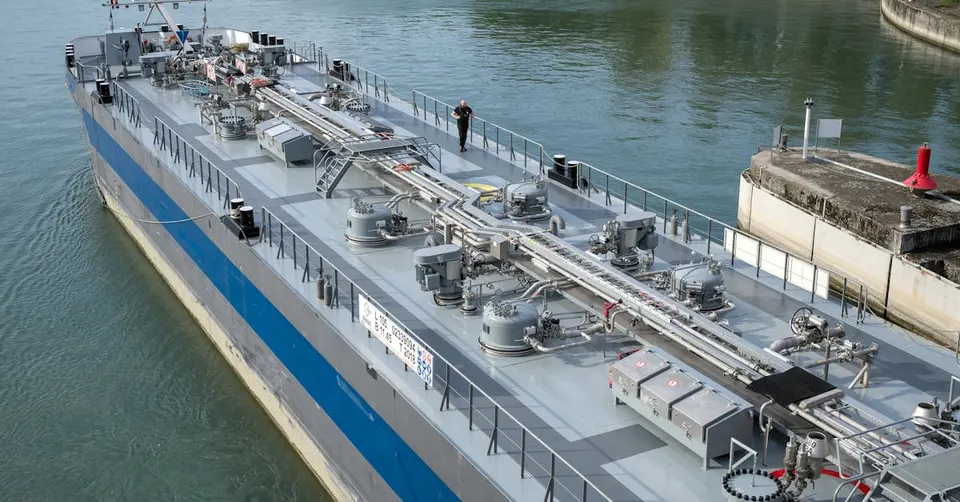
Tensions in the Middle East reached a fever pitch this evening following reports that US forces boarded an Iranian oil tanker. The vessel was accused of violating international blockades before being briefly detained and later released. This incident occurs against a backdrop of increasing regional instability, including Jordan’s military shooting down an unidentified drone in its airspace. The boarding of the tanker is a physical manifestation of the "maximum pressure" campaign, testing Tehran's resolve and the international community's appetite for a direct maritime confrontation in critical shipping lanes.
Simultaneously, outrage is growing over the treatment of Gaza flotilla activists, with international figures condemning the actions of Israeli Security Minister Itamar Ben-Gvir. The juxtaposition of these events—maritime enforcement against Iran and diplomatic friction over Gaza—creates a volatile environment for global trade. For the Iranian economy, these incidents directly impact the risk premium attached to the Toman. Every report of a boarded vessel or a downed drone adds a layer of uncertainty that prevents the currency from stabilizing, even when high-level diplomatic rumors suggest a deal might be on the horizon.
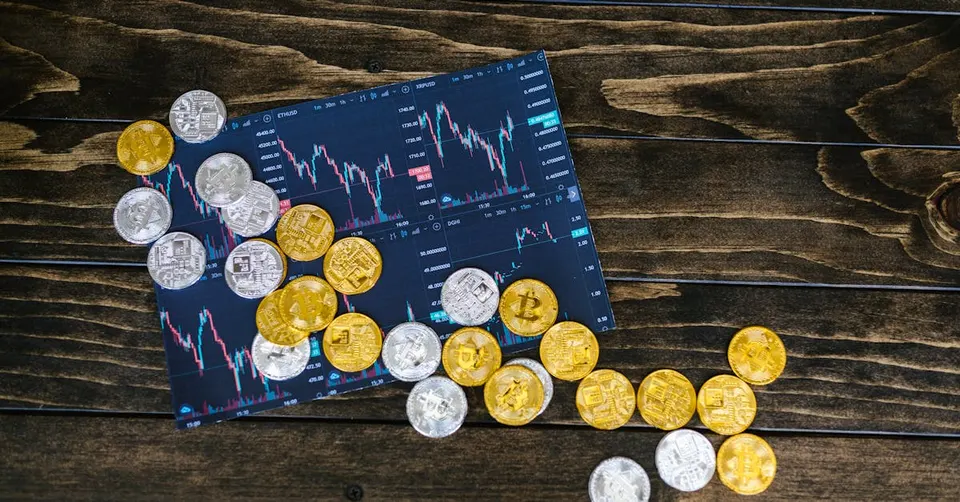
Market Reaction: Toman Weakens as Gold Surges and Oil Dips
Domestic markets in Iran have reacted sharply to the day's geopolitical theater. The USD/IRR exchange rate moved from 178,900 to 179,600, representing a 0.4% depreciation of the Toman in just 24 hours. While the currency slide was relatively controlled, the gold market showed much higher volatility. 18k gold rose from 19,476,660 to 19,702,664 Toman per gram, a significant 1.2% jump. This indicates that local investors are fleeing to gold as a primary safe-haven asset, distrusting the stability of the currency even as global oil prices provide a mixed signal.
On the global stage, oil prices dropped below $105 a barrel. This decline was driven by President Trump’s hints that a deal with Iran might be closer than previously thought. While lower oil prices generally hurt the revenue of oil-exporting nations like Iran, the prospect of a resolution to the conflict is being viewed by global markets as a net positive for stability. However, the disconnect between falling global energy prices and rising domestic gold prices in Iran highlights a deep-seated anxiety among the Iranian public regarding the long-term success of these diplomatic maneuvers.
The AI Inflation Paradox and Global Tech Shifts
While geopolitics dominates the headlines, a quieter crisis is brewing in the tech sector. New economic data suggests that instead of reducing costs, the massive boom in Artificial Intelligence is actually fueling inflation. The immense energy requirements for AI data centers, combined with the residual effects of Trump-era tariffs, have pushed US inflation to a three-year high. This has led the Federal Reserve to signal that interest rate hikes are more likely than cuts in the near term. For global markets, this means a stronger US Dollar for longer, which puts additional downward pressure on emerging market currencies like the Toman.
In response to these shifting economic realities, tech giants are restructuring. Meta has announced the layoff of 8,000 employees as it pivots its focus entirely toward AI development. This trend of "leaner" tech companies focused on automation suggests that the global labor market is entering a period of profound transition. For the average reader, this means that while AI tools like YouTube’s new "Shorts Remix" are making content creation easier, the underlying economic cost of this technology is being felt in utility bills and interest rates worldwide.
Frequently Asked Questions
Why is the US indicting Raúl Castro now?
Why did gold prices rise while oil prices fell?
How is AI contributing to global inflation?
What does the boarding of the Iranian tanker mean for the Toman?
How Economic Sanctions Shape Iran's Oil, Currency, and Global Markets
Economic sanctions are coercive tools used by countries or international bodies to influence the behavior of a target nation without resorting to armed conflict. They can take many forms—trade bans, asset freezes, financial restrictions, or travel bans—each designed to cut off access to critical resources, limit revenue streams, and increase the political cost of undesirable actions. While sanctions aim to compel policy changes, they also ripple through the target’s economy and the broader global market.
Since the early 2000s, the United States has imposed a layered sanctions regime on Iran, targeting its oil exports, banking sector, and even individuals linked to the government. By prohibiting U.S. persons and many foreign banks from dealing in Iranian rial (IRR) or Iranian‑origin oil, the sanctions force Iran to sell its crude at steep discounts, often in cash or via barter, and to rely on a network of front companies. This pressure explains why U.S. warships have boarded Iranian tankers in the Strait of Hormuz and why the USD/IRR exchange rate has become extremely volatile, with the rial losing value rapidly in May 2026.
The sanctions’ impact extends beyond oil. With formal banking channels blocked, Iran has turned to gold as a store of value and a medium of exchange, driving the domestic gold price toward the 18,000 IRR per gram mark. Simultaneously, reduced Iranian oil supply contributes to global price swings; when the U.S. intercepts a tanker, markets anticipate tighter supply, pushing crude prices up, while a sudden release of discounted Iranian oil can depress them. These dynamics illustrate how a single policy instrument can simultaneously affect exchange rates, commodity markets, and geopolitical tensions.
Critics argue that sanctions often hurt ordinary citizens more than political elites, exacerbating inflation and prompting secondary economic effects such as increased reliance on informal economies and, increasingly, on AI‑driven illicit finance mechanisms. While sanctions remain a cornerstone of U.S. strategy toward Tehran, their effectiveness in achieving long‑term political goals remains debated, highlighting the complex trade‑off between coercion and humanitarian impact.
Topics
Related Articles