Trump’s Tactical Pause: Iran Attack Delayed as Markets Catch a Fragile Breath
تعلیق حمله به ایران توسط ترامپ؛ تنفس مصنوعی به بازارهای جهانی و کاهش نسبی قیمت تتر
President Trump has postponed a major planned strike on Iran, providing a temporary reprieve for global markets and cooling the Toman's rapid climb. However, with petrol prices hitting record highs and Tehran demanding full sanction relief, the regional tension remains a tinderbox for investors.
At time of publishing
USD
178,300
Toman
Gold 18K
19.62M
Toman / gram
Bitcoin
$76,781
US Dollar
Tether
17,874
Toman
The Strategic Pause: Trump Holds Fire on Iran
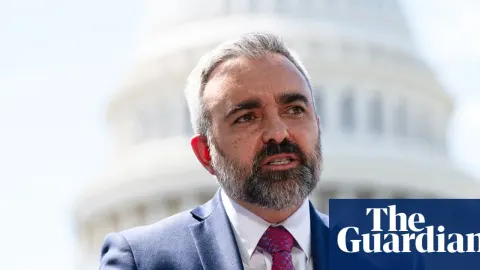
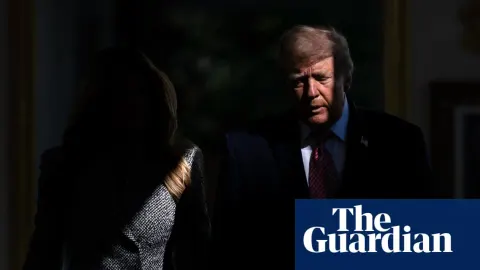
President Trump’s announcement that he has postponed a “very major attack” against Iran has sent shockwaves through global diplomatic and financial circles. This decision, reportedly influenced by ongoing mediation efforts from Pakistan, has provided a momentary cooling period in a conflict that threatened to engulf the entire Middle East. While the strike is described as being on "hold," the underlying tension remains palpable as both Washington and Tehran signal that this is a tactical shift rather than a definitive end to hostilities. For the Iranian public, this news brought a slight easing of the extreme anxiety that has dominated the last 48 hours, though the heavy military presence in the region suggests the situation is far from resolved.
For the markets, this delay was a lifeline. Dow Jones futures, which had been pricing in a significant escalation, saw a relief rally that prevented a broader collapse, though tech and energy leaders like SanDisk and Bloom Energy remained under selling pressure. In Tehran, the immediate reaction was visible in the currency markets; the USD/IRR rate moved from 179,650 to 178,300, representing a decrease of 0.8%. This reflects a slight reduction in the "war premium" that has been baked into the Toman's value over recent weeks. However, the fact that the Emami coin remained flat at 191,000,000 Toman suggests that professional gold traders are not yet convinced that the danger has passed.
The Economic Toll: Record Petrol Prices and Sanction Standoffs
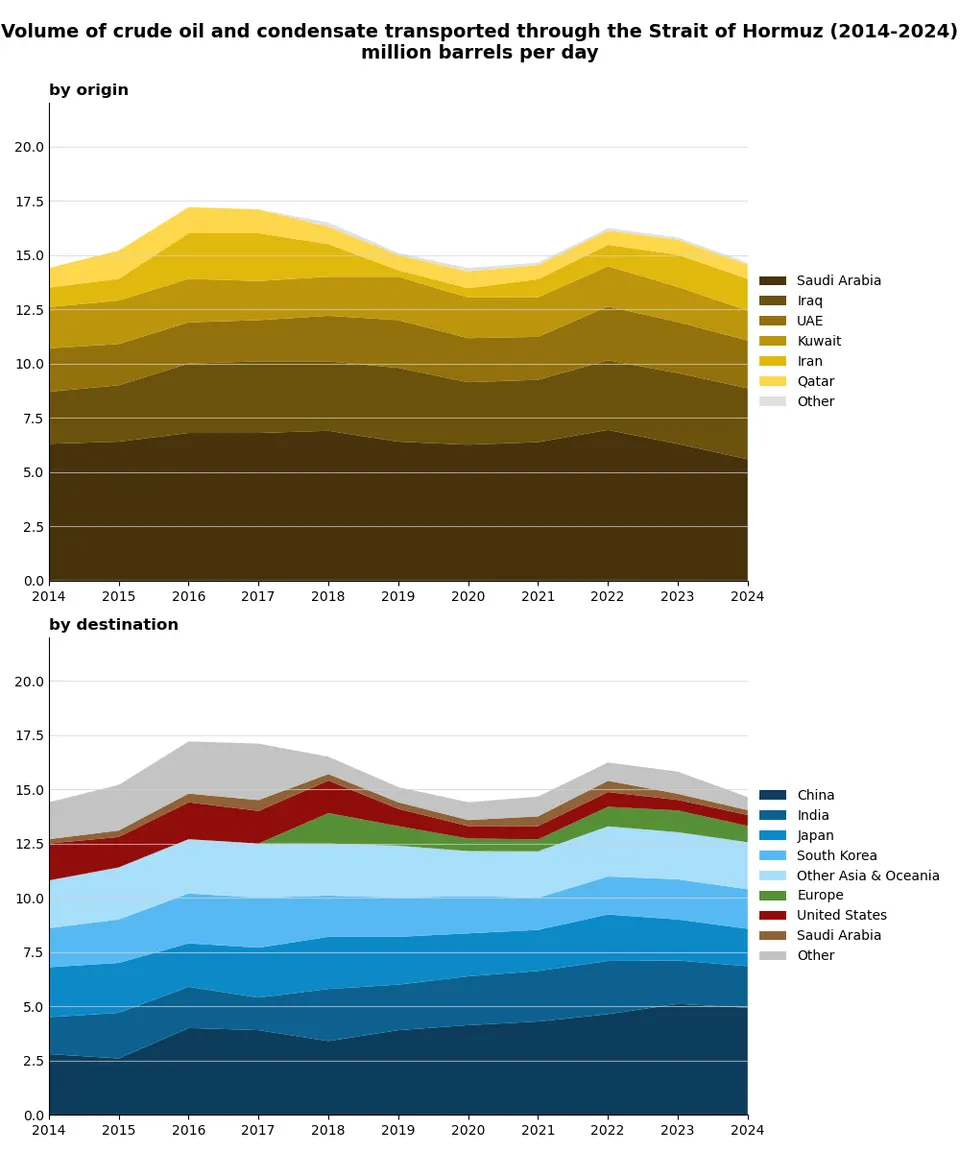
Despite the pause in kinetic military action, the economic war continues to intensify and manifest in daily costs for citizens worldwide. Petrol prices in the UK and parts of Europe have hit their highest levels since the start of the Iran conflict, with unleaded reaching 158.52p per litre. This surge is a direct consequence of the volatility in the Persian Gulf, which has disrupted shipping lanes and increased insurance premiums for tankers. For Iranian observers, this global energy crunch is a double-edged sword: while it theoretically increases the value of energy exports, the tightening of the sanctions regime makes it increasingly difficult to capitalize on these prices, leading to internal inflationary pressure instead of national wealth.
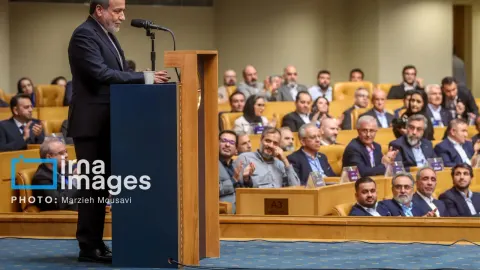
Tehran’s response to Trump’s delay has been firm and strategically consistent. Officials have stated that any lasting peace or cessation of hostilities must include the comprehensive lifting of sanctions against Iran. This remains the primary sticking point in negotiations, as Washington appears unwilling to trade its primary leverage for a mere ceasefire. As long as this stalemate persists, the underlying economic pressure on the Iranian household—exemplified by the high cost of imports and the volatility of gold—will likely persist. The gold 18k price, which moved from 19,765,224 to 19,617,249 Toman (-0.7%), shows that even a small diplomatic opening can trigger a sell-off, but the floor remains high due to long-term uncertainty.
Market Sentiment: Is a "June Swoon" Looming?
While the geopolitical headlines dominate the news cycle, institutional investors are growing increasingly wary of the broader market structure. A recent Bank of America (BofA) survey of fund managers suggests that investors are "all-in" on stocks, with cash levels hitting their lowest point since early 2024. History suggests that when sentiment becomes this overwhelmingly bullish and cash reserves are depleted, a correction is often around the corner. BofA analysts are warning of a "June swoon," suggesting that the current market highs might be vulnerable to a sharp pullback as the summer months approach and the reality of prolonged high interest rates sets in.
For those holding assets in Iran or dealing in cryptocurrencies like Bitcoin—which currently sits at $76,781—this warning is significant. If global risk appetite dries up due to a stock market correction, "risk-on" assets like crypto often face the brunt of the sell-off. We are already seeing this in the U.S. spot Bitcoin ETFs, which posted $648 million in outflows as long-term holders look to limit their downside potential. Combined with the ongoing uncertainty in the Middle East, the next few weeks could see heightened volatility across all asset classes, making liquidity and diversification more critical than ever for the average saver trying to protect their purchasing power.
Watch
Trump holding off on Iran military strike as 'serious negotiations' underway
Associated Press
Frequently Asked Questions
Why did Donald Trump decide to delay the attack on Iran?
How has the Iranian Toman reacted to the news of the delay?
What are Tehran's conditions for a permanent de-escalation?
Why is Bank of America warning of a 'June swoon' in the markets?
How International Sanctions Shape Iran's Currency and Oil Markets
International sanctions are a powerful tool that can reshape a country’s economy, especially when that economy relies heavily on a single export like oil. In Iran’s case, U.S. and EU sanctions have restricted its ability to sell oil in the global market and to access the international banking system. This forces Iran to conduct much of its trade in cash or through alternative mechanisms, creating a scarcity of foreign currency (primarily U.S. dollars) and driving the official exchange rate of the Iranian rial (IRR) far from its market value.
To cope with the shortage of hard currency, Iran has operated a dual‑exchange‑rate system: an official rate used for essential imports and a parallel “free market” rate where most private transactions occur. The gap between these rates can widen dramatically after geopolitical shocks—such as a delayed U.S. military action—because investors reassess the risk of further sanctions or a broader regional conflict. A widening gap raises the cost of imported goods, notably petrol and other energy inputs, which then feeds into higher domestic inflation.
The impact ripples through the financial sector. When sanctions tighten, foreign investors pull back, leading to outflows from instruments like Bitcoin ETFs that were previously seen as a hedge against currency risk. Simultaneously, domestic assets such as the Emami coin—a locally issued digital token—may experience volatile price swings as Iranians seek alternative stores of value. Understanding the mechanics of sanctions‑induced currency pressure helps explain why the USD/IRR price forecast for 2026 remains highly uncertain.
Policymakers and market participants watch sanctions negotiations closely because any concession can quickly restore access to foreign exchange, narrow the dual‑rate spread, and stabilize oil‑related revenues. Conversely, a “tactical pause” in military actions can temporarily calm markets, offering a brief window of reduced risk premium before the underlying geopolitical tensions re‑escalate. This dynamic underscores how geopolitical decisions directly translate into exchange‑rate movements and commodity pricing in sanction‑hit economies.
Topics
Related Articles