Iran’s Oil Stockpile Surges 65% Amid US Blockade as Global Markets Hit 2021-Era Euphoria
جهش ۶۵ درصدی ذخایر نفت شناور ایران در پی محاصره دریایی آمریکا؛ خوشبینی بازارها به اوج ۲۰۲۱ رسید
Iran’s floating oil inventory has spiked as US naval pressure intensifies, while global investors show the highest bullishness since the 2021 meme-stock craze. Meanwhile, the UK faces a massive infrastructure scandal as HS2 costs cross £100bn.
At time of publishing
USD
178,700
Toman
Gold 18K
19.43M
Toman / gram
Bitcoin
$76,569
US Dollar
Tether
17,840.4
Toman
The Naval Standoff: Iran’s Floating Oil Stockpile Surges 65%
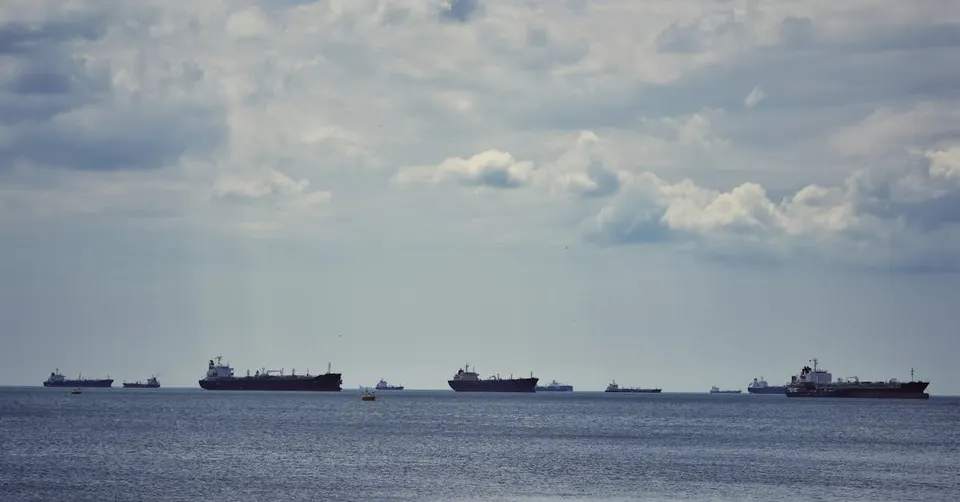
The Strait of Hormuz is once again the center of global energy anxiety. Recent satellite data and shipping analysis reveal that Iran’s floating oil stockpile has jumped by 65% since mid-April. This surge is a direct consequence of a tightened U.S. naval blockade in the Gulf of Oman, designed to choke off Tehran’s exports and force a return to the negotiating table. With tankers laden with crude sitting idle, the logistical pressure on Iran's energy infrastructure is reaching a critical threshold as the country seeks new ways to circumvent maritime restrictions. For the Iranian domestic market, this blockade creates a complex economic paradox. While the supply is physically restricted, the local currency has shown unexpected resilience in the last 24 hours. The USD/IRR rate moved from 179,650 to 178,700, a slight decrease of 0.5%. However, the long-term implications of a 65% increase in unsold oil could weigh heavily on the government's budget and foreign exchange reserves if the blockade persists. Gold prices have already reacted more sharply to the regional tension, with 18k gold falling from 19,765,224 to 19,428,643 Toman per gram (-1.7%), reflecting a shift in local liquidity and investor risk appetite.
Corporate Reckoning: The Grenfell Fire Criminal Charges
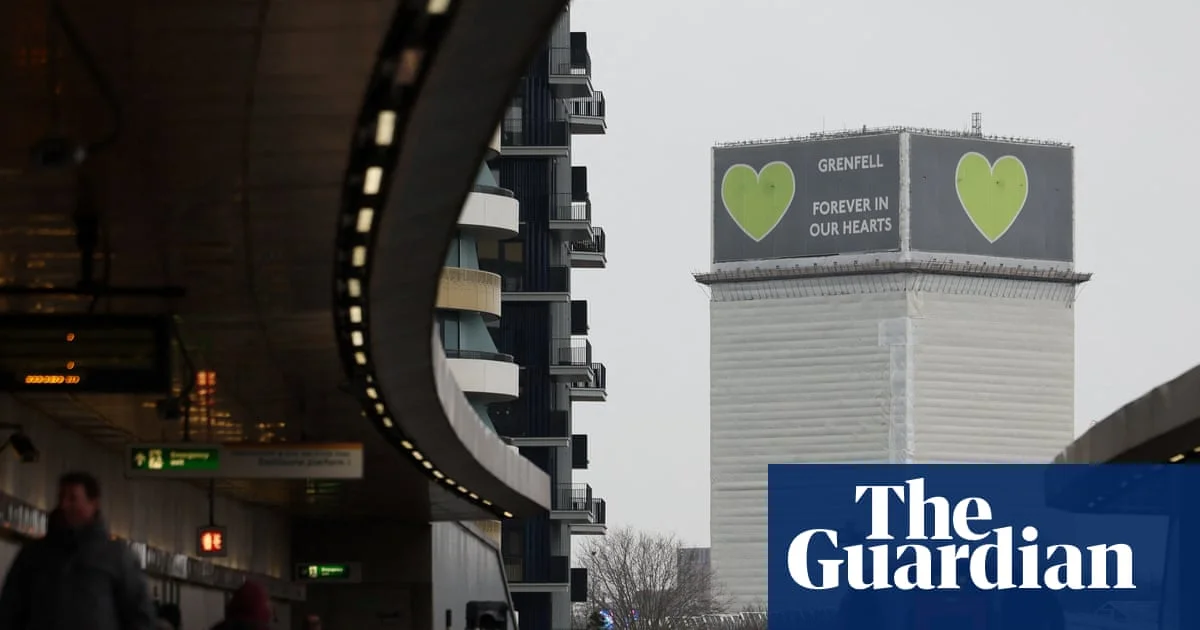
In a landmark development for international corporate law, Scotland Yard has announced its intention to seek criminal charges against 77 companies and individuals related to the 2017 Grenfell Tower tragedy. The investigation, which has spanned nearly a decade and involved 220 detectives, has uncovered "strong evidence" of potential wrongdoing and corporate manslaughter. This move signals a massive shift in how Western jurisdictions handle systemic negligence, moving beyond mere financial penalties toward individual and corporate criminal liability for public safety failures. For Iranian observers, this case serves as a poignant example of the slow but rigorous march of institutional accountability. In a region where construction standards and corporate responsibility are often subjects of intense public debate following local disasters, the Grenfell proceedings demonstrate the legal mechanisms required to hold powerful entities accountable. While the trials may still be years away, the message is clear: the era of corporate immunity for catastrophic negligence is shrinking globally, setting a precedent that could influence international safety standards.

Market Mania: Bullish Sentiment Returns to 2021 Levels
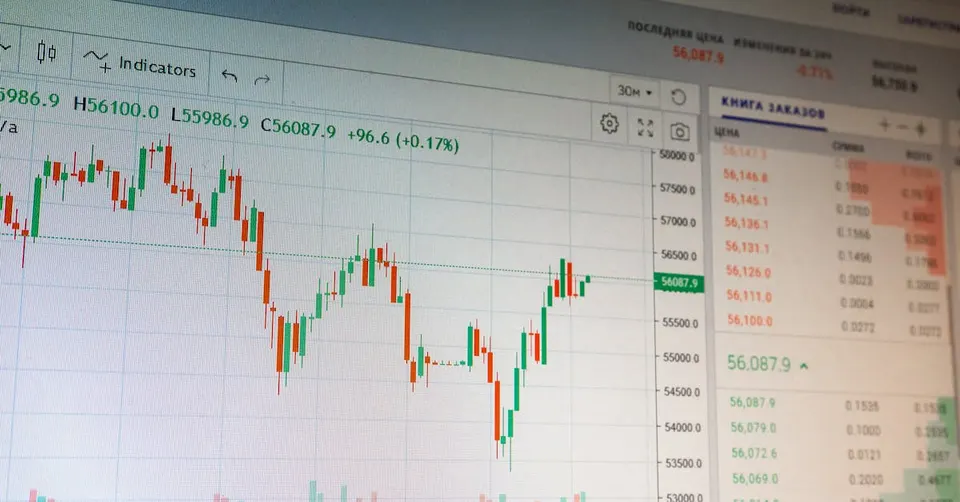
Global financial markets are currently experiencing a level of euphoria not seen since the peak of the meme-stock frenzy in 2021. According to recent sentiment charts, investors are "bulled up" on everything from semiconductor giants like TSMC—which has soared over 66% in a year—to cryptocurrency. Bitcoin continues to hold strong at $76,569, while the broader tech sector remains resilient despite ongoing concerns regarding AI's potential to disrupt traditional business models. This extreme optimism suggests that the "soft landing" narrative for the global economy has been fully embraced by both retail and institutional sectors. However, this level of extreme bullishness often serves as a contrarian indicator for seasoned analysts. When sentiment reaches these heights, markets become increasingly sensitive to any negative shocks, such as the rising costs of major infrastructure projects like the UK’s HS2, which has now ballooned to £102.7bn with delays extending to 2039. For the Iranian investor, this global "risk-on" environment provides a temporary cushion for crypto assets like Bitcoin and Ethereum (currently at $2,107.12), but the volatility inherent in such heights requires a cautious approach to portfolio management as the gap between sentiment and economic reality widens.
Geopolitical Alliances: Iran Calls on China Against Unilateralism
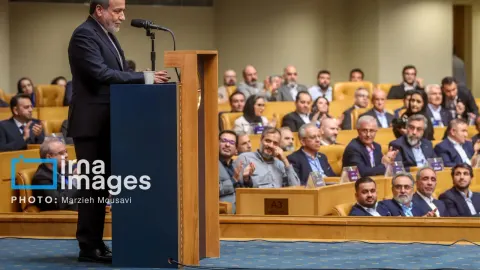
Amidst the tightening naval blockade, Tehran is looking eastward to solidify its strategic partnerships. The Secretary-General of Iran’s Islamic Coalition Party has publicly called on China to stand firmly against U.S. unilateralism. This diplomatic push emphasizes the "strategic partner" status between the two nations, seeking to leverage Beijing’s economic and political weight to bypass the current naval restrictions. The call reflects a broader strategy to diversify Iran's economic dependencies away from Western-dominated financial systems. This push for a united front comes at a time when China’s own industrial giants are facing increased scrutiny in Western markets. By aligning more closely with Beijing, Tehran hopes to secure alternative trade routes and financial clearing systems that are immune to the U.S. dollar-based sanctions regime. For the average Iranian citizen, the success of these diplomatic maneuvers is directly tied to the future stability of the Toman and the availability of essential imports, making the Tehran-Beijing axis the most critical geopolitical variable for the Iranian economy in the coming months.
Frequently Asked Questions
Why has Iran's floating oil stockpile increased so dramatically?
How is the USD/IRR exchange rate reacting to the oil blockade?
What is the significance of the Grenfell Tower criminal charges?
Is the current global market bullishness sustainable?
Topics
Related Articles