Deutsche Bank: Iran War Lacks Key Ingredients for Market Selloff; Tehran Seeks Mexico Ties
دویچه بانک: جنگ ایران فاقد مؤلفههای کلیدی برای سقوط بازار است؛ تهران خواهان روابط با مکزیک
Deutsche Bank suggests the ongoing Iran conflict, despite its gravity, lacks three critical elements typically preceding major market selloffs. Meanwhile, Iran's ambassador to Mexico expresses eagerness to initiate a new phase in bilateral relations, signaling a potential diplomatic pivot.
At time of publishing
USD
179,450
Toman
Gold 18K
19.54M
Toman / gram
Bitcoin
$76,389
US Dollar
Tether
17,828.5
Toman
Deutsche Bank: The Missing Ingredients for a Market Meltdown
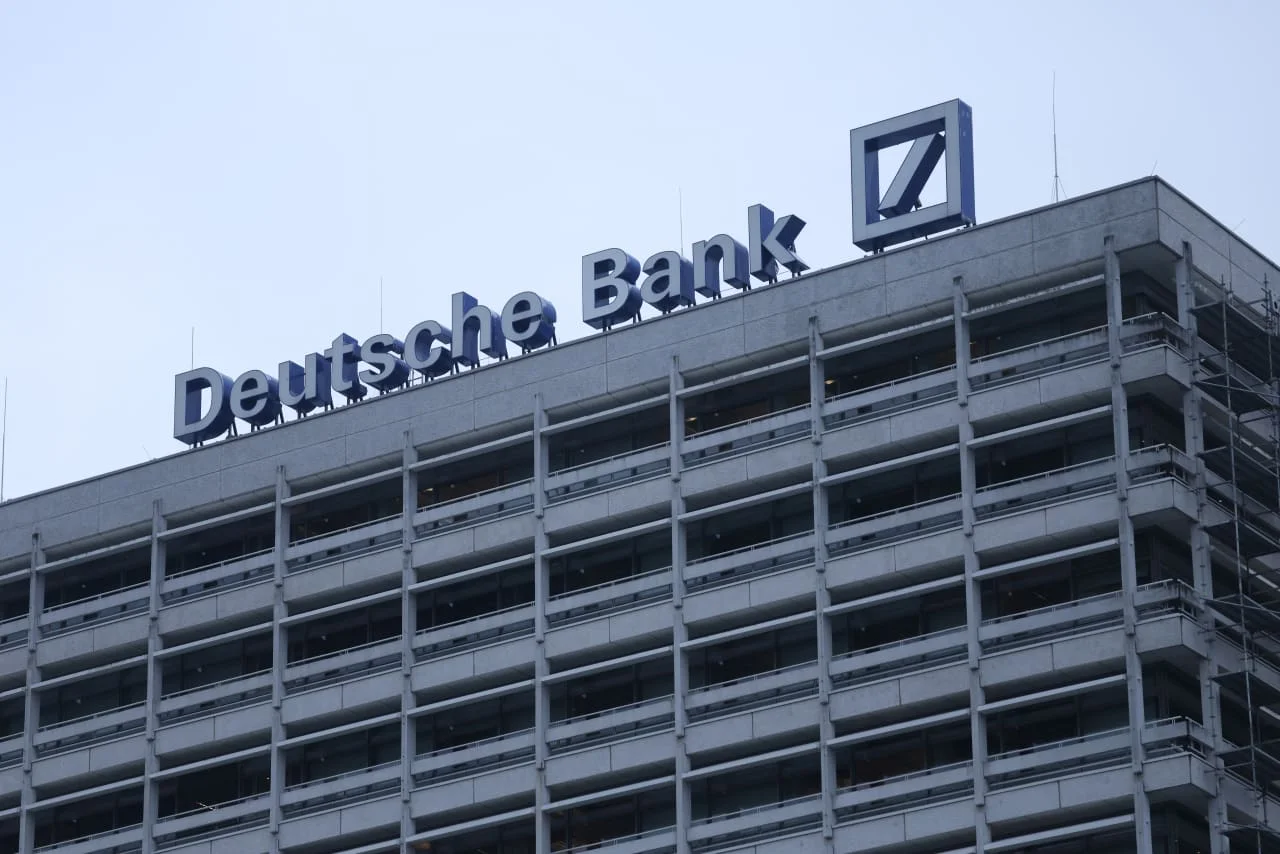
Deutsche Bank analysts have offered a nuanced perspective on the current geopolitical climate, suggesting that despite the significant tensions surrounding the Iran conflict, the conditions for a widespread market selloff are not yet fully in place. Historically, major geopolitical shocks, particularly those impacting energy supplies, have been potent catalysts for significant asset price corrections. However, the bank's assessment points to the absence of three critical ingredients that typically precede such downturns. This implies that while uncertainty remains high, the immediate trigger for a broad-based risk-off sentiment across global markets might be lacking, allowing for a degree of resilience in asset prices for now.
This analysis is crucial for investors and policymakers alike. It suggests that the market's reaction, while potentially volatile, might not yet reflect the full potential impact of a sustained conflict. The missing ingredients could relate to factors such as the direct and immediate impact on global oil supply, the extent of international sanctions and their enforcement, or the perceived likelihood of escalation. Deutsche Bank's caution indicates that while the situation is undoubtedly serious, the market's pricing of risk may be incomplete, potentially leaving room for sharp adjustments if these missing elements materialize. The implications for currency markets, including the USD/IRR, gold prices, and broader equity indices, remain significant, but the immediate catalyst for a dramatic selloff is currently debated.
---
Iran Seeks New Diplomatic Avenues with Mexico
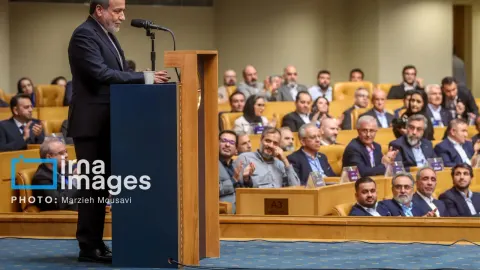
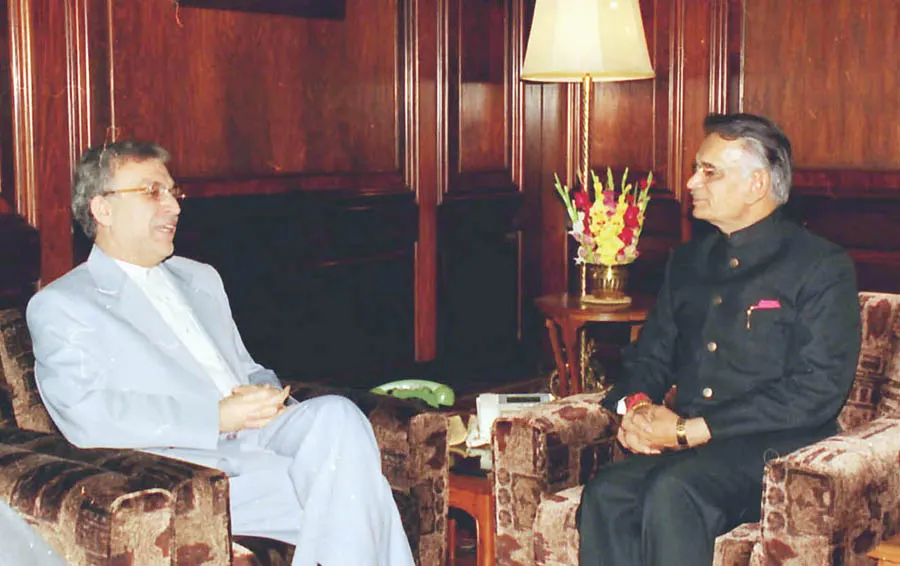
In a move that could signal a broader strategy of diversifying international partnerships, Iran's Ambassador to Mexico has expressed a strong desire to embark on a new chapter in the bilateral relationship between the two nations. This announcement coincides with the 124th anniversary of diplomatic ties and suggests a proactive approach by Tehran to strengthen connections beyond its traditional alliances, particularly in Latin America. The Islamic Republic's ambassador articulated readiness to foster enhanced cooperation, hinting at potential advancements in trade, cultural exchange, and political dialogue.
This initiative is significant in the current geopolitical landscape, especially given the pressures Iran faces internationally. By seeking to deepen ties with Mexico, Iran may be aiming to create alternative economic and diplomatic channels, potentially mitigating the impact of existing sanctions and international isolation. For Iran, such diplomatic overtures can serve to bolster its international standing and provide economic opportunities. For Mexico, it presents a chance to engage with a major regional player in the Middle East, potentially opening new markets and avenues for collaboration. The success of this endeavor will likely depend on various factors, including domestic political considerations in both countries and the broader international response to Iran's foreign policy.
---
Oil Prices Stabilize Amidst Geopolitical Uncertainty
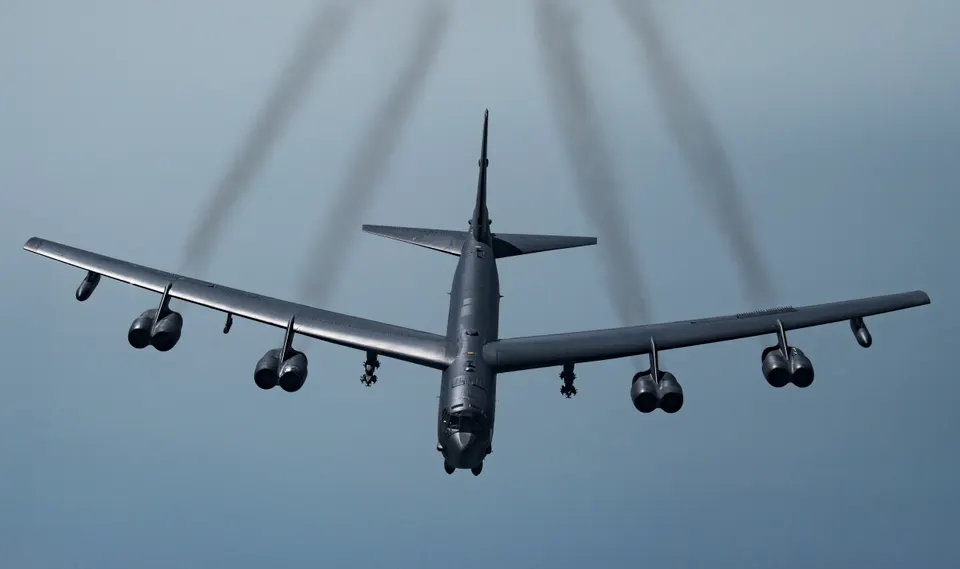
Oil prices have shown a degree of stability, hovering near the $110 mark, following reports that President Trump has delayed planned military action against Iran. This pause in immediate escalation has provided a temporary respite for the energy markets, which have been on edge due to the ongoing tensions in the Middle East. The market's reaction underscores the direct correlation between geopolitical stability in the region and global energy prices. Any perceived de-escalation, however temporary, can lead to a cooling of speculative fervor and a stabilization of benchmark crude prices.
Adding to the market dynamics, Washington has reportedly extended waivers for buyers of Russian crude. This decision, while seemingly separate from the Iran conflict, contributes to the overall supply picture and can influence global price benchmarks. Furthermore, the US Strategic Petroleum Reserve (SPR) has seen record drawdowns, pushing significant volumes of American crude onto export markets. This surge in US oil exports, potentially reaching historic levels, adds another layer of complexity to global supply-demand calculations. The interplay of these factors – the delayed action against Iran, Russian crude waivers, and increased US exports – creates a complex environment for oil prices, characterized by underlying volatility that could easily be reignited by further geopolitical developments or shifts in supply dynamics.
Frequently Asked Questions
What are the three key ingredients Deutsche Bank believes are missing for a major market selloff related to the Iran conflict?
What is the significance of Iran's ambassador expressing eagerness to begin a new phase in ties with Mexico?
How have oil prices reacted to the news of President Trump delaying military action against Iran?
What other factors are influencing oil prices besides the Iran conflict?
What is the current market sentiment regarding the Iran conflict and its impact on global assets?
Understanding the Geopolitical Risk Premium
When headlines mention potential conflicts and their limited impact on markets, they often implicitly refer to the concept of a Geopolitical Risk Premium (GRP). This premium is the extra return or compensation investors demand for holding assets that are exposed to political instability or conflict. Essentially, it's the market's way of pricing in uncertainty. When the perceived risk of a geopolitical event (like a war) increases, investors typically demand a higher premium, leading to a sell-off in riskier assets and a flight to safety.
The GRP is particularly evident in commodity markets, especially oil. Regions like the Middle East are crucial for global energy supply, and any threat of disruption—whether real or perceived—can significantly impact oil prices. If a conflict threatens to reduce supply or disrupt vital shipping lanes, the GRP on oil rises, pushing prices higher as traders factor in potential shortages and increased costs. Conversely, if a potential conflict is seen as localized, unlikely to escalate, or not impacting critical supply routes, the GRP remains low, and oil prices may not react as dramatically.
The headline's mention that a potential Iran war "lacks key ingredients for a market selloff" suggests that Deutsche Bank analysts believe the current geopolitical tensions are not severe enough to trigger a significant increase in the GRP. The "key ingredients" for a high GRP typically include a high probability of widespread conflict, the involvement of major global powers, a direct threat to critical infrastructure or trade routes, and a lack of clear diplomatic off-ramps. When these elements are absent, or when diplomatic efforts (like Iran seeking ties with Mexico) offer alternative pathways, market participants may assess the overall risk as manageable.
Understanding the GRP helps explain why some geopolitical events send markets into a frenzy while others are largely shrugged off. It's not just the event itself, but the market's assessment of its potential impact on global supply chains, economic stability, and the likelihood of broader escalation, that determines the magnitude of the risk premium and, consequently, the market's reaction.
Topics
Related Articles