Trump Courts Middle East Allies Amid Iran Stalemate; Housing Market Woes Persist
ترامپ در میانه بنبست ایران، متحدان خاورمیانهای را به سوی خود میخواند؛ مشکلات بازار مسکن ادامه دارد
As diplomatic efforts to resolve the Iran conflict falter, President Trump is reportedly turning to Middle East allies for solutions, while Tehran stages mass weddings amid escalating threats. Meanwhile, Iran's domestic housing market faces significant challenges, leaving tenants with limited options.
At time of publishing
USD
178,900
Toman
Gold 18K
19.48M
Toman / gram
Bitcoin
$76,789
US Dollar
Tether
17,859
Toman
Trump Seeks Mideast Allies as Iran Peace Talks Stall
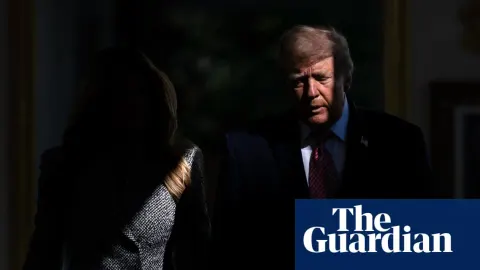
President Trump is reportedly intensifying efforts to engage Middle East allies in finding a resolution to the ongoing conflict with Iran, as direct diplomatic channels appear to be reaching an impasse. The White House, struggling to chart a clear path toward ending hostilities and reopening crucial shipping lanes, is increasingly relying on regional partners for policy direction. Trump maintains that his administration's approach to Iran, centered on preventing nuclear proliferation, involves a mix of threats and incentives aimed at securing a new deal that would also ensure the freedom of navigation through the Strait of Hormuz.
This pivot to allies comes as tensions remain high, with Iran's army warning of 'new fronts' should the US resume attacks. Tehran has also undertaken symbolic actions, such as organizing mass weddings for couples reportedly ready for 'sacrifice,' underscoring a defiant stance. The lack of a clear breakthrough in negotiations, coupled with escalating rhetoric, suggests a prolonged period of uncertainty for the region, with potential implications for global energy markets and investor confidence.
Iran's Housing Market Squeezes Tenants Amid Economic Uncertainty
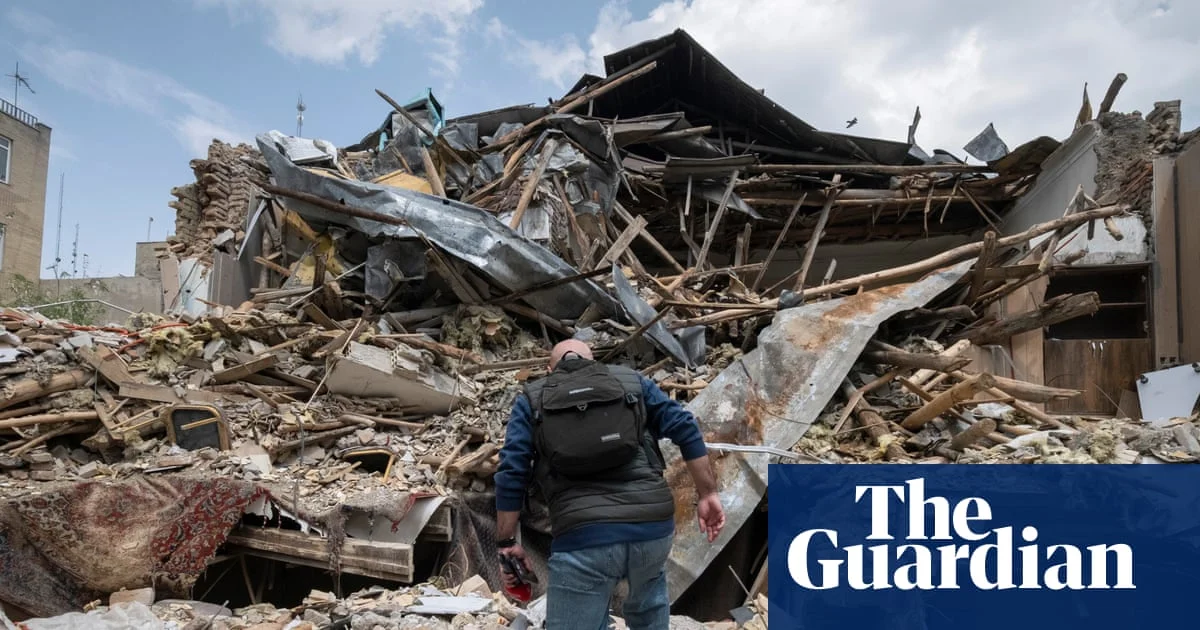
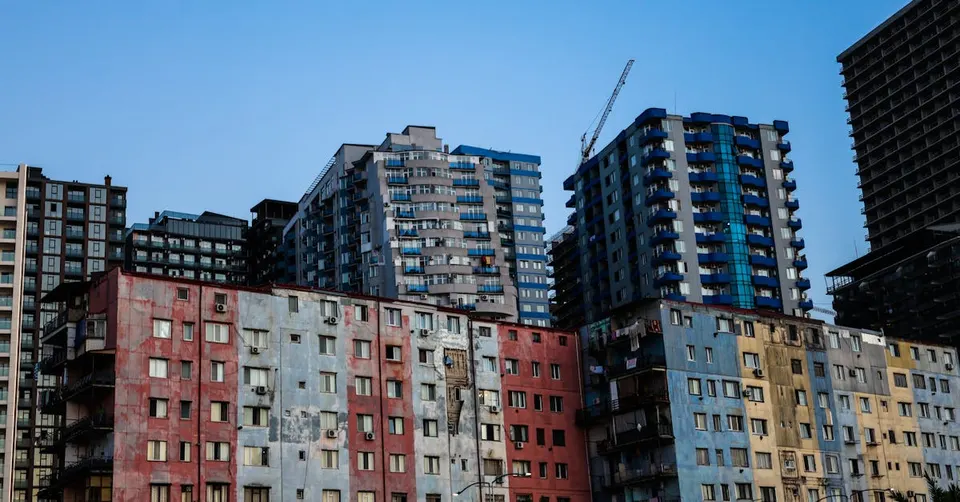
Tenants in Iran are facing increasingly bleak prospects as the country's housing market remains stagnant, exacerbated by persistent economic uncertainty and the shadow of potential renewed conflict. With limited options available, many are struggling to find affordable and stable accommodation. The high cost of renting and purchasing properties, coupled with a general lack of new construction and investment, has created a challenging environment for a significant portion of the population.
This situation is compounded by broader geopolitical and economic factors that continue to weigh on Iran's economy. The ongoing international tensions and the potential for further sanctions or military escalation create an unstable backdrop, discouraging investment and further stifling market activity. For Iranian citizens, this translates into increased financial pressure and a diminished sense of security, as basic needs like housing become increasingly difficult to meet.
Escalating Rhetoric: US and Iran Trade Threats
Amidst the diplomatic deadlock, both the United States and Iran are engaging in increasingly sharp rhetoric. President Trump has issued renewed warnings of potential military action against Tehran, suggesting that a significant strike could be imminent if a deal is not reached soon. This stance is met with firm counter-threats from Iran's military, which has declared its readiness to open 'new fronts' against the U.S. should hostilities resume. The Iranian army spokesperson specifically warned of new tactics and equipment being employed if aggression occurs.
Adding to the charged atmosphere, Iran has organized mass public weddings for couples who have registered their willingness to 'sacrifice' their lives in the ongoing conflict. This symbolic gesture, reported alongside the military's warnings, highlights the government's narrative of national resilience and readiness for prolonged struggle. The exchange of threats and the government's public messaging underscore the precarious state of relations and the potential for miscalculation to reignite wider conflict.
Frequently Asked Questions
What is the current diplomatic status between the US and Iran?
What are the implications of the US-Iran tensions for global markets?
What challenges is Iran's housing market facing?
What is the significance of Iran's mass weddings?
How are Middle Eastern allies involved in the US-Iran situation?
The Strategic Importance of the Strait of Hormuz
The Strait of Hormuz is one of the world's most critical maritime chokepoints, a narrow waterway connecting the Persian Gulf to the Arabian Sea and beyond. Geographically, it lies between Iran to the north and Oman and the United Arab Emirates to the south. Its strategic significance stems from the fact that a substantial portion of the world's seaborne oil and liquefied natural gas (LNG) transits through this passage daily, making it indispensable for global energy markets.
This vital artery is particularly crucial because it is the only sea passage from the Persian Gulf to the open ocean, meaning that oil and gas exports from major producers like Saudi Arabia, Iran, Iraq, Kuwait, Qatar, and the UAE must pass through it. The sheer volume of energy resources—estimated by the U.S. Energy Information Administration to be around 21% of global petroleum liquids consumption in 2018—underscores its irreplaceable role in ensuring energy security for nations worldwide, especially in Asia, Europe, and North America.
Given its narrowness—at its most constricted point, it is only about 21 nautical miles (39 km) wide—and its critical function, the Strait of Hormuz is a focal point for geopolitical tensions. Iran, which controls its northern coast, has historically leveraged its geographical position, periodically threatening to close the strait in response to international sanctions or military pressures. Such threats, whether real or perceived, send ripples through global oil markets, causing price spikes and heightened security concerns.
Any significant disruption to transit through the Strait of Hormuz, whether due to military conflict, piracy, or political blockade, would have catastrophic implications for the global economy. It would severely impact oil and gas supplies, leading to energy shortages, dramatic price increases, and potential economic recessions worldwide. Consequently, maintaining the freedom of navigation through this strait is a top priority for international powers and a constant subject of diplomatic and military considerations in the Middle East.
Topics
Related Articles