Iran Leader Links Power to Population; Crude Oil Navigates Hormuz Gap
رهبر ایران: قدرت کشور به رشد جمعیت گره خورده؛ نفت خام از تنگه هرمز عبور میکند
Iran's Supreme Leader emphasizes population growth as key to national power, while global crude oil finds alternative routes around the Strait of Hormuz. Meanwhile, US politics sees Trump threatening further action against Iran, adding to regional tensions.
At time of publishing
USD
179,100
Toman
Gold 18K
19.56M
Toman / gram
Bitcoin
$76,627
US Dollar
Tether
17,957
Toman
Iran's Leader Ties National Power to Population Growth
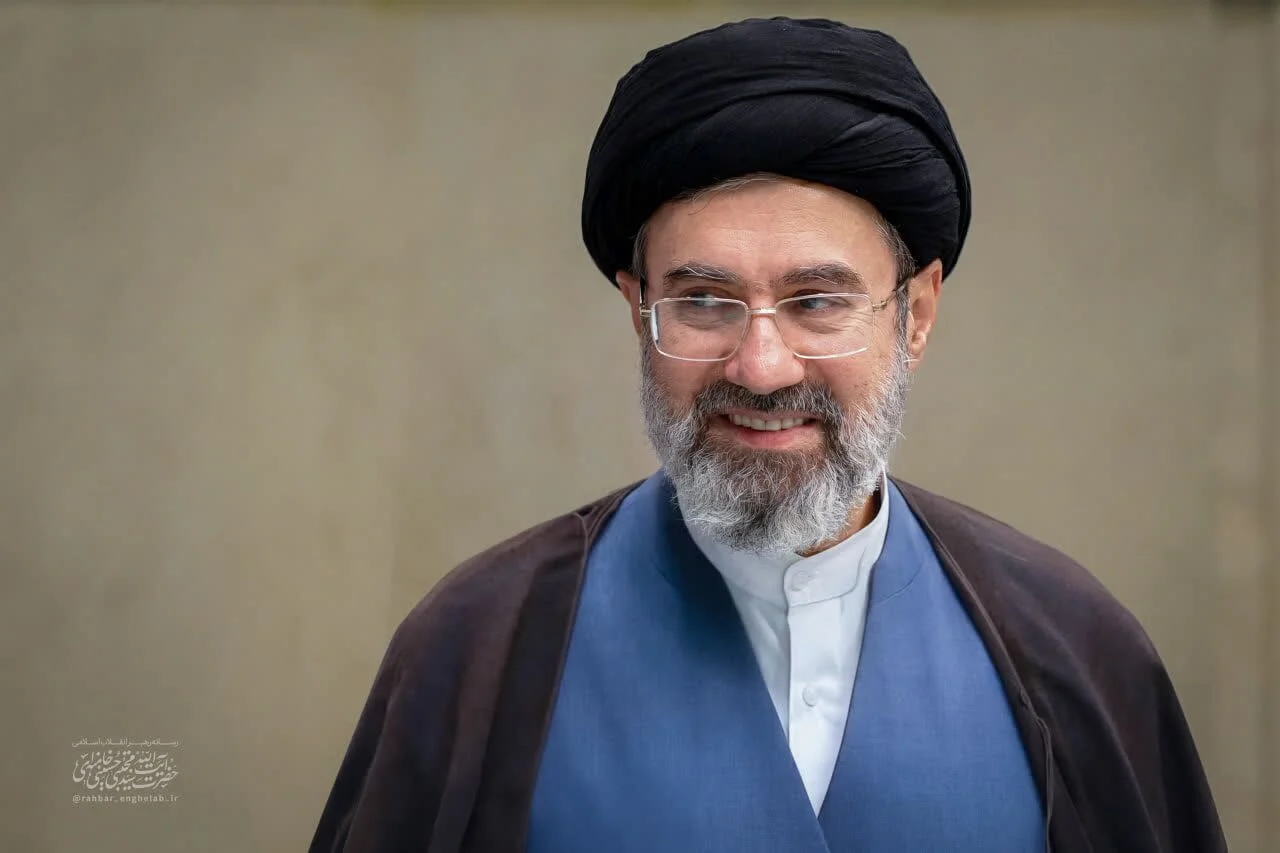
Ayatollah Seyyed Mojtaba Hosseini Khamenei, the Supreme Leader of the Islamic Revolution, has asserted that Iran's standing as a major and influential global power is intrinsically linked to its population growth. This statement, reported by IRNA, underscores a strategic demographic focus for the nation, suggesting that a larger, younger population is essential for maintaining and enhancing its geopolitical leverage and economic vitality. The emphasis on population growth comes at a critical juncture for Iran, as it navigates international sanctions and regional conflicts, implying that human capital is viewed as a primary driver of national strength and resilience.
This demographic imperative is likely intended to galvanize domestic policies aimed at encouraging larger families and supporting youth development. For the Iranian populace, this framing suggests that national prosperity and influence are not solely dependent on external factors like oil prices or international relations, but also on internal demographic trends. The implicit message is that a growing population not only fuels the economy through labor and consumption but also strengthens Iran's position on the world stage by presenting a more robust and dynamic society. This focus on population growth could influence a range of government initiatives, from economic planning to social welfare programs, aiming to secure Iran's long-term status as a significant regional and global player.

Crude Oil Navigates Hormuz Supply Hole
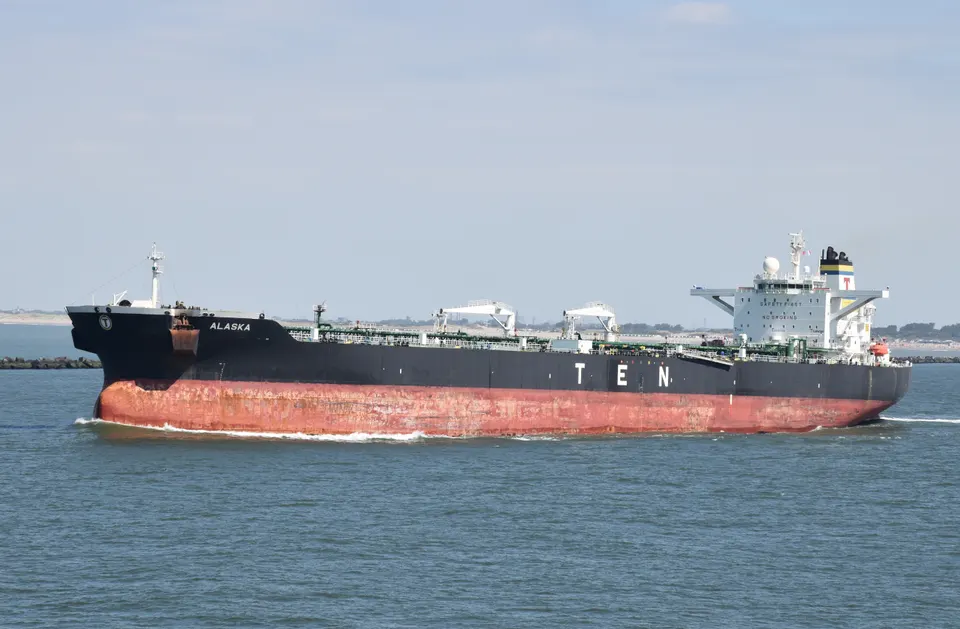
Global crude oil markets are adapting to the persistent disruptions at the Strait of Hormuz, forcing energy products to take significantly longer and previously less-trafficked routes around the world. This rerouting indicates a fundamental shift in energy logistics, as countries and traders scramble to secure vital supplies while avoiding the chokepoint. The increased reliance on alternative shipping lanes suggests higher transportation costs and potentially longer delivery times, which could translate into sustained upward pressure on energy prices globally.
This strategic adaptation by the oil industry highlights the fragility of global energy supply chains when faced with geopolitical instability in critical maritime regions. The prolonged standstill or reduced traffic at Hormuz necessitates a recalibrization of supply routes, demonstrating the resilience and adaptability of market participants. However, the economic implications are substantial, with increased operational costs for shipping companies and potential price volatility for consumers. The situation underscores the ongoing tension between energy security and geopolitical risks in the Persian Gulf, with significant ramifications for the global economy.
Trump Threatens 'Big Hit' on Iran Amidst Negotiation Efforts
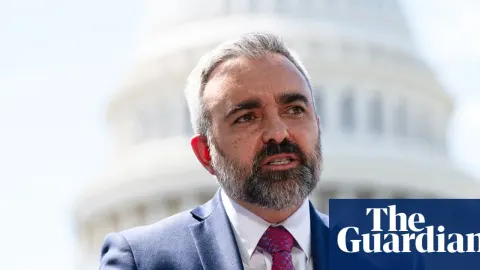
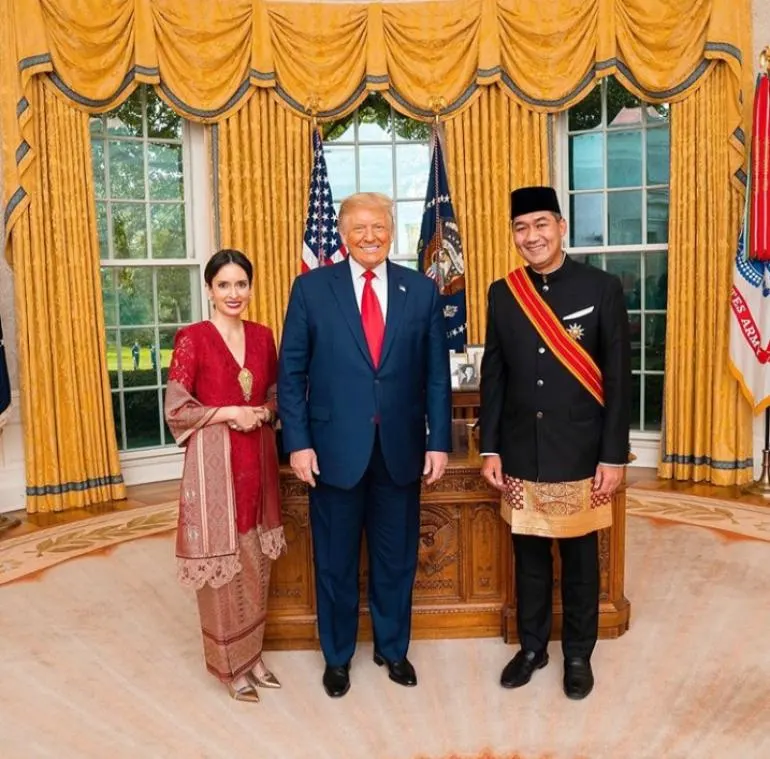
President Trump has indicated that a significant military strike on Iran was postponed, but warned of a "very major attack" if the country does not return to the negotiating table within days. This statement, delivered amidst ongoing mediation efforts by Pakistan, signals a continued high-stakes diplomatic and military standoff. Trump's rhetoric suggests that while a de-escalation might be temporarily in play, the threat of substantial military action remains a potent tool in his administration's foreign policy arsenal.
The context provided by The Guardian and NYT World indicates that Trump is giving Iran a limited window, potentially until the weekend or early next week, to reach a deal. The postponement of the strike, reportedly from being an hour away from execution, suggests a strategic pause rather than a definitive end to hostilities. This tactic aims to pressure Iran into concessions while leaving room for diplomacy, a delicate balancing act that keeps regional actors and global markets on edge. The outcome of these negotiations, or lack thereof, will have direct implications for regional stability, energy markets, and the broader geopolitical landscape.
Frequently Asked Questions
What is Iran's Supreme Leader's stance on population growth?
How is the global oil market adapting to Strait of Hormuz disruptions?
What is the current status of US-Iran negotiations and threats?
What is the significance of Russia's deepening energy ties with China?
How are global markets reacting to geopolitical tensions in the Middle East?
The Strait of Hormuz: Global Energy's Critical Chokepoint
The Strait of Hormuz is not merely a narrow stretch of water; it is arguably the most critical maritime chokepoint for global energy supplies. Located between Oman and Iran, this strategic waterway connects the Persian Gulf to the Arabian Sea and the broader Indian Ocean. Its geographical significance lies in being the sole sea passage from the oil-rich Persian Gulf to the open ocean, making it indispensable for the transport of crude oil and liquefied natural gas (LNG) from major producers like Saudi Arabia, Iran, UAE, Kuwait, and Iraq.
What makes the Strait of Hormuz so strategically vital is the sheer volume of energy resources that transit through it daily. A substantial portion of the world's seaborne crude oil and petroleum products, often estimated to be around 20-25% of global consumption, passes through this 21-mile wide passage at its narrowest point. Any disruption, even a perceived threat, can send shockwaves through international energy markets, causing oil prices to surge and impacting economies worldwide due to increased transportation costs and supply uncertainty.
Historically, the Strait has been a focal point of geopolitical tensions, particularly involving Iran, which controls its northern flank. Threats to close or disrupt shipping in the Strait have been leveraged during periods of heightened political friction, such as those related to nuclear negotiations or sanctions. Such actions, or even the credible threat of them, underscore the Strait's role as a major flashpoint in international relations, influencing foreign policy decisions and military deployments in the region.
Understanding the Strait of Hormuz's strategic importance is crucial for comprehending the dynamics of global energy security and the intricate web of geopolitics in the Middle East. Its vulnerability to political instability makes it a constant concern for energy-importing nations and a key factor in the economic calculations of both producers and consumers of crude oil and natural gas.
Topics
Related Articles