Araghchi’s ‘Surprise’ Warning Rallies Markets: Bitcoin Holds $77k Amid Gulf Tension
هشدار «غافلگیرکننده» عراقچی و واکنش بازارها؛ بیتکوین در مرز ۷۷ هزار دلار آرام گرفت
Foreign Minister Araghchi warns of new military capabilities if conflict resumes, while Bitcoin traders weigh the possibility of a peace deal. Meanwhile, the Strait of Hormuz remains a central point of global economic leverage.
At time of publishing
USD
178,900
Toman
Gold 18K
19.48M
Toman / gram
Bitcoin
$77,215
US Dollar
Tether
17,835.5
Toman
Araghchi Warns of ‘Surprises’ as War Rhetoric Sharpens
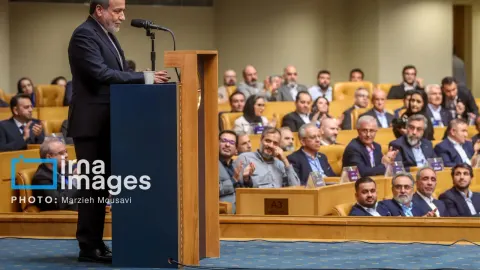
Foreign Minister Abbas Araghchi has issued a stern warning to international adversaries, stating that any return to open conflict with Iran would be met with "many more surprises." Speaking to state media, Araghchi emphasized that the Iranian Armed Forces have utilized recent periods of tension to gain critical new experience and enhance their technical capabilities. This statement serves as a dual-purpose signal: it is both a deterrent meant to warn off further US-Israeli aggression and a strategic assertion of Iran's evolving military posture in the region.
For the average Iranian citizen and investor, these words are a double-edged sword. While they project strength, they also maintain the high-risk premium that has kept the Iranian Toman under pressure. The market is currently in a state of suspended animation, with the USD selling price holding steady at 178,900 Toman. Araghchi’s rhetoric suggests that while Tehran is not seeking war, it is preparing for a version of conflict that the West may not yet fully understand, potentially involving asymmetric tactics or advanced domestic weaponry.
The Battle of Narratives: Minab School and CENTCOM
Adding to the diplomatic friction, Foreign Ministry spokesperson Esmaeil Baqaei has vehemently rejected claims made by the US Central Command (CENTCOM) regarding an incident at the Minab School. Baqaei described the US justifications for its actions as a "baseless fabrication and an appalling lie." This dispute highlights the deep-seated mistrust that Baqaei notes has spanned over 73 years of US-Iran relations. The focus on the Minab School incident is not just about a single location; it is part of a broader struggle to control the international narrative regarding human rights and military ethics in the Middle East.
This rhetorical escalation comes at a time when the Biden administration and regional players are navigating a delicate balance. By labeling CENTCOM's reports as fabrications, Tehran is positioning itself as the victim of a "distorted narrative," aiming to garner support from the Global South and non-aligned nations. For readers, this signifies that a diplomatic breakthrough remains distant, as both sides are still heavily invested in a war of words that precedes—or sometimes prevents—actual policy shifts.
Bitcoin Hits $77k as Traders Weigh Peace Prospects
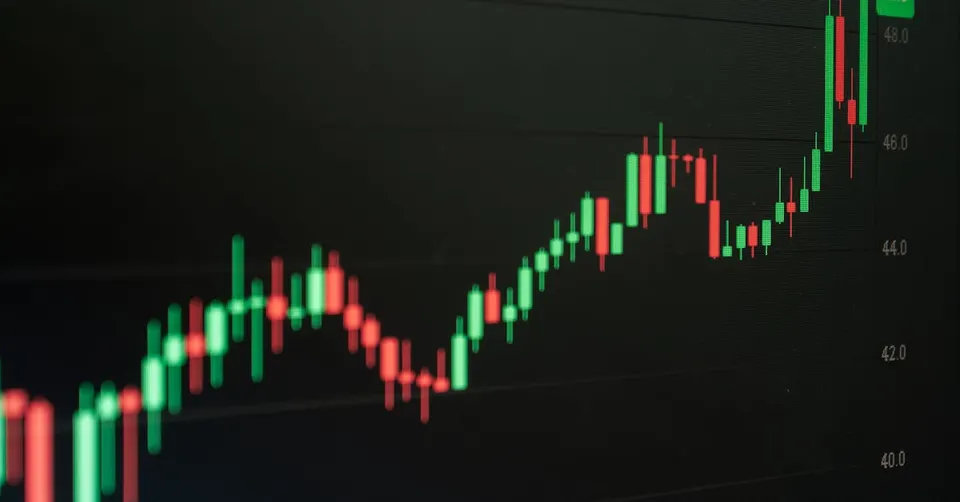
In the financial world, Bitcoin has ticked up to $77,215, as global traders closely monitor the geopolitical signals coming out of Tehran. The cryptocurrency market is increasingly acting as a barometer for Middle Eastern stability; a spike in BTC prices often reflects a "flight to digital safety," but the current move above $77k is being interpreted by some as optimism for a potential de-escalation or peace deal. Investors are weighing Araghchi's warnings against the possibility that these are the final salvos before a negotiated settlement.
Domestically, the stability of the Toman is noteworthy. The USD/IRR rate moved from 178,900 to 178,900 (+0.0%), showing that the local market has already priced in the current level of tension. Gold also remains stagnant, with the Emami coin at 191,000,000 Toman and 18k gold at 19,476,660 Toman per gram. This lack of movement suggests that local capital is waiting for a decisive event—either a breakthrough in talks or a clear escalation—before committing to a new direction.
The Strait of Hormuz: Iran’s Ultimate Economic Leverage
Recent analysis, including reports from the New York Times, suggests that Iran has successfully gained significant leverage in the ongoing regional conflict by utilizing what experts call "triangular coercion." By focusing on the vulnerability of the Strait of Hormuz and attacking the interests of Gulf states, Tehran has managed to offset its conventional military disadvantages. This strategy has forced the international community to recognize that any major disruption in the Persian Gulf would have catastrophic effects on the global energy supply.
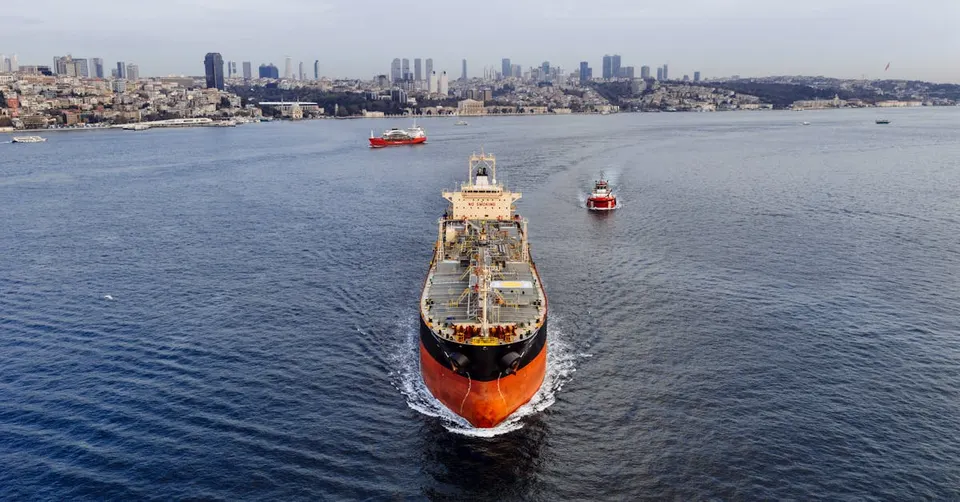
This leverage is already manifesting in Europe, where a 34% surge in electric vehicle (EV) sales has been recorded in April. The spike is directly attributed to the "oil shock" caused by Middle East war disruptions, which have pushed retail fuel prices to uncomfortable highs for European drivers. As countries like the Netherlands and Italy accelerate their shift away from fossil fuels, the geopolitical tension in the Gulf is inadvertently speeding up the global energy transition. For Iran, this means its primary weapon—oil market disruption—remains potent, but its long-term effectiveness may wane as the world pivots toward alternative energy sources.
Frequently Asked Questions
What did Abbas Araghchi mean by 'many more surprises'?
Why is Bitcoin rising despite regional tensions?
How is the Strait of Hormuz affecting European car sales?
The Geopolitical Significance of the Strait of Hormuz
The Strait of Hormuz is a narrow, strategically vital waterway connecting the Persian Gulf to the Arabian Sea and the open ocean. At its narrowest point, it is only about 21 nautical miles (39 kilometers) wide, with shipping lanes just two miles wide in each direction. This seemingly small passage holds immense global significance, primarily due to its role as the world's most important oil transit chokepoint.
A substantial portion of the world's seaborne crude oil and liquefied natural gas (LNG) passes through the Strait of Hormuz daily. Estimates suggest that around one-fifth of global oil consumption, originating from major producers like Saudi Arabia, Iran, UAE, Kuwait, and Iraq, transits this strait. Any disruption or threat to this passage can have immediate and dramatic effects on global energy markets, potentially leading to sharp increases in oil prices and significant economic repercussions worldwide – a phenomenon often referred to as an "oil shock."
Given its critical function, the Strait of Hormuz is a focal point of geopolitical tension, particularly involving Iran, which controls its northern coast. The ability to threaten or impede passage through the Strait provides considerable leverage in international negotiations and regional conflicts. Warnings or actions related to the Strait can cause market volatility, affecting not just oil prices but also broader financial markets, as investors react to perceived increases in global instability. While traditional safe havens like gold or government bonds might see inflows, even cryptocurrencies like Bitcoin can experience shifts as market participants recalibrate risk in response to such geopolitical developments.
Topics
Related Articles