Trump’s 72-Hour Ultimatum to Tehran Sparks Market Volatility as USD Hits 180,600
ضربالاجل ۷۲ ساعته ترامپ به تهران؛ جهش دلار به ۱۸۰ هزار تومان در سایه تهدیدهای نظامی
President Trump has issued a high-stakes 'two to three day' deadline for Iran to reach a deal, while the US Senate narrowly voted to curb his war powers. Amidst the escalating rhetoric, the Iranian Toman has weakened by 1.0%, pushing the USD/IRR exchange rate to a record 180,600.
At time of publishing
USD
180,600
Toman
Gold 18K
19.58M
Toman / gram
Bitcoin
$77,294
US Dollar
Tether
17,860.9
Toman
The 72-Hour Clock: Trump’s Ultimatum and the Senate’s Check
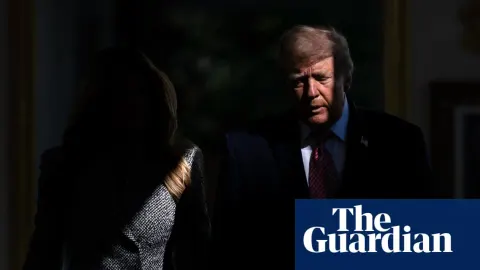
The geopolitical landscape has shifted into a high-intensity phase as of 11:00 Tehran time. President Donald Trump has issued a stark ultimatum, giving Tehran just "two to three days" to come to the negotiating table or face what he describes as a "big hit." This follows a period of strategic ambiguity where Trump claimed to have held off on a major military assault in hopes of a diplomatic breakthrough. However, the tone has now pivoted toward maximum pressure, with the White House insisting that Tehran is desperate for a deal while simultaneously preparing for potential kinetic action. This rhetoric has forced a sharp reaction from Tehran’s military leadership, which has warned that any American strike would trigger the opening of "new fronts" across the region, likely involving proxy networks and strategic chokepoints.
Simultaneously, the US Senate has moved to act as a constitutional brake on executive power. In a narrow 50-47 vote, senators advanced a war-powers resolution designed to prevent the President from engaging in a full-scale conflict with Iran without explicit Congressional authorization. This procedural victory for the resolution—aided by four Republicans breaking ranks—highlights the deep domestic divide in Washington over the risks of a new Middle Eastern war. For investors and observers, this creates a dual-track reality: a President threatening immediate escalation and a legislative body attempting to pull the plug on the funding and legal authority for such a campaign. This friction is contributing to a sense of unpredictability that is currently being priced into global energy and currency markets.

Toman Under Pressure: Market Reaction to the Deadline
The Iranian financial markets have responded to the ticking clock with immediate volatility. The US Dollar has seen a significant move in the open market, rising from 178,900 to 180,600 Toman, marking a 1.0% increase within the last 24 hours. This breach of the 180,000 threshold represents a psychological turning point for local traders, many of whom are hedging against the possibility of the 72-hour deadline passing without a diplomatic resolution. The demand for hard currency is being mirrored in the gold sector, where the 18k gold gram has risen 0.5% to 19,582,159 Toman, and the Emami coin has climbed 1.0% to reach 193,000,000 Toman.
In the cryptocurrency space, Bitcoin has staged a curious rebound, climbing to $77,294. This move appears to be a reaction to the Senate’s move to curb Trump’s war powers, which led to a slight cooling of US Treasury yields and a temporary stabilization of risk appetite. While the broader geopolitical situation remains dire, crypto markets are interpreting the legislative check on the White House as a sign that a catastrophic regional war might still be avoided. However, the premium on Tether (USDT) in the Iranian market remains high at 17,861 Toman, suggesting that local demand for digital dollars as a safe haven is outpacing the global spot price recovery.
---
The Boeing Olive Branch: China’s Strategic $20B Pivot
While the Middle East teeters on the edge, a massive economic shift is occurring in the East. China has officially confirmed it will proceed with the purchase of 200 Boeing aircraft, a deal valued in the tens of billions of dollars. This agreement, initially teased after a recent summit between President Trump and Chinese leadership, represents the largest single sale of American planes to Beijing in nearly a decade. The timing is significant; as the US ramps up pressure on Iran, it is simultaneously attempting to stabilize its trade relationship with its primary global competitor. This suggests a "divide and conquer" economic strategy where the US secures domestic manufacturing jobs and reduces its trade deficit with China while focusing its military and diplomatic resources on the Persian Gulf.

For the global economy, this deal is a rare piece of positive news amidst a darkening forecast. The UN has recently cut its global growth forecast to 2.5% for 2026, specifically citing the Middle East crisis as a primary drag on international trade and energy stability. The Boeing deal provides a necessary cushion for the US industrial sector, but it does little to alleviate the inflationary pressures being felt elsewhere. In Australia, for instance, the New South Wales government has warned that the global oil shock and rising inflation—both stemming from the Hormuz tensions—are likely to stifle consumption and slow economic growth to near-recession levels by 2027. The contrast between massive corporate deals and the tightening belts of everyday consumers highlights the uneven impact of the current geopolitical crisis.
Digital Frontiers: The Battle Over Social Media Access
Beyond the corridors of power and the trading floors, a new legislative battle is brewing over how the next generation interacts with the digital world. In the UK, Prime Minister Keir Starmer is facing intense pressure from child safety campaigners to refine a proposed social media ban for those under 16. Rather than a blanket, "Australia-style" ban, groups like the NSPCC are urging the government to target specific "unsafe" features such as infinite scrolling, disappearing messages, and push notifications. This debate reflects a growing global consensus that the current structure of social media is fundamentally incompatible with adolescent mental health, but there is sharp disagreement on whether the solution lies in total exclusion or targeted regulation.
This story matters to the tech sector because it sets a precedent for how platforms like TikTok, Meta, and X (formerly Twitter) will have to re-engineer their products for different jurisdictions. If the UK adopts a feature-specific ban, it could force tech giants to create "lite" or "safe" versions of their apps, potentially impacting their advertising revenue models which rely heavily on the very engagement features now under fire. As the global economy slows down, these tech companies are already facing reduced ad spending, and a new layer of regulatory compliance could further dampen their growth prospects in the coming fiscal year.
Frequently Asked Questions
Why did the US Senate vote to curb Trump's war powers now?
How does the China-Boeing deal affect the current Middle East tension?
What happens to the Toman if the 72-hour deadline passes without a deal?
Safe-Haven Assets: A Refuge in Turbulent Times
The headline's mention of market volatility, the USD/IRR exchange rate surge, and gold price fluctuations amidst geopolitical tension points directly to the concept of Safe-Haven Assets. These are investments that are expected to retain or even increase in value during periods of market turbulence, economic uncertainty, or geopolitical crises. When global stability is threatened, investors typically flee riskier assets like stocks or emerging market currencies, seeking to preserve their capital by moving it into assets perceived as more secure.
The most classic example of a safe-haven asset is gold. For centuries, its intrinsic value, limited supply, and historical role as a store of wealth have made it a go-to choice during times of crisis. Other traditional safe havens include certain government bonds, such as U.S. Treasuries or German Bunds, which are backed by highly stable economies and governments, and the currencies of politically neutral countries with strong financial systems, like the Japanese Yen and Swiss Franc. These assets are sought after because their stability and liquidity offer a perceived shield against economic shocks.
The dynamic works like this: as geopolitical tensions escalate, fear and uncertainty grip financial markets. Investors sell off assets deemed vulnerable, driving their prices down. Simultaneously, demand for safe-haven assets surges, pushing their prices up. This explains why an ultimatum to Tehran, as mentioned in the headline, could lead to a rapid increase in gold prices or a strengthening of currencies perceived as stable, like the U.S. dollar, against those of more volatile regions.
While traditional safe havens remain dominant, newer assets are sometimes considered. Bitcoin, for instance, is occasionally dubbed "digital gold" and has seen rallies during periods of economic or political instability, as some investors view it as an alternative to traditional financial systems. However, its own significant volatility means its status as a reliable safe haven is still debated compared to established options like gold or top-tier government bonds. Understanding this flight to safety is crucial for interpreting market reactions to global events.
Topics
Related Articles