Iran's Diplomatic Stance Amidst Escalating Tensions; UK Eases Russian Sanctions
ایران: دیپلماسی ارجح است، اما آماده جنگ؛ بریتانیا تحریمهای روسیه را تسهیل کرد
Iran signals a preference for diplomacy but readiness for conflict as US tensions rise. Meanwhile, the UK has eased sanctions on Russian crude oil, a move drawing criticism amidst global energy market shifts and ongoing geopolitical maneuvers.
At time of publishing
USD
180,600
Toman
Gold 18K
19.61M
Toman / gram
Bitcoin
$77,152
US Dollar
Tether
17,886.2
Toman
Iran Prefers Diplomacy, But War Readiness Stated
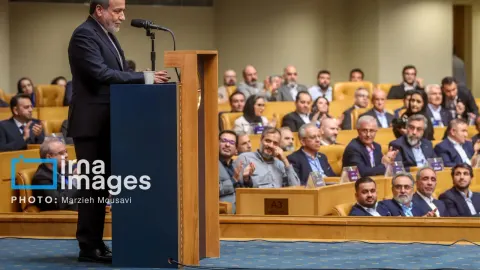
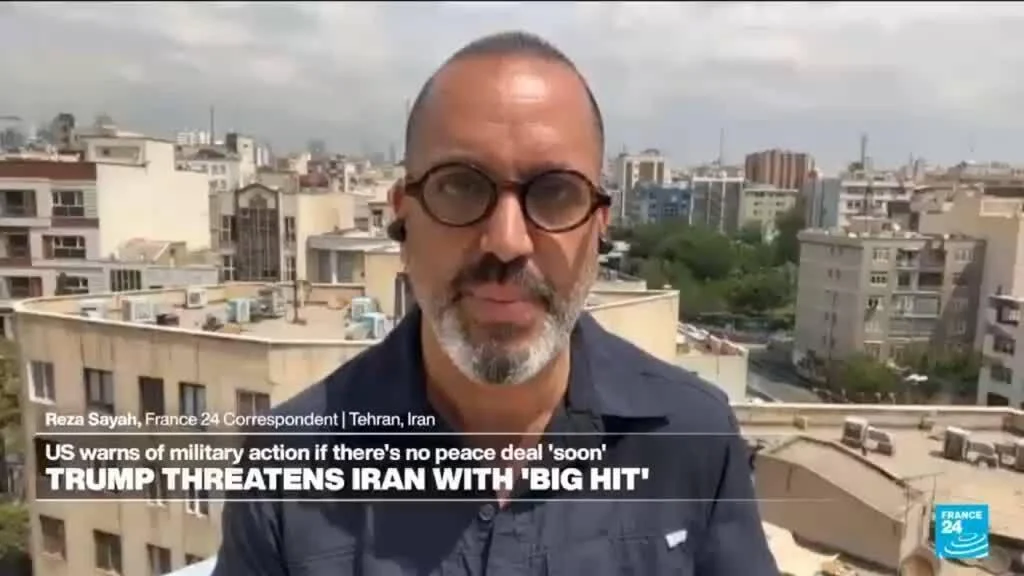
Iranian officials have reiterated their stance on preferring diplomatic solutions to the current conflict, while simultaneously asserting the nation's preparedness for war should hostilities resume. This dual approach comes as tensions with the United States continue to escalate, with President Donald Trump issuing renewed threats of military action. The Iranian position, as reported by France 24, emphasizes a desire to avoid further conflict but leaves no room for ambiguity regarding the country's defensive capabilities and resolve. This messaging aims to deter further aggression while signaling to domestic and international audiences that Iran will not be caught off guard.
This diplomatic tightrope walk is critical for managing both internal confidence and external perceptions. For the Iranian economy, the constant threat of conflict directly impacts currency stability and investor sentiment. The USD/IRR exchange rate, which saw a slight uptick today, reflects this underlying anxiety. Any perceived escalation or de-escalation can trigger significant market movements. Therefore, Iran's dual messaging serves as a strategic tool to maintain a degree of economic stability by projecting strength and a commitment to peace, even under duress. The market's reaction, particularly in currency and gold prices, will be a key indicator of how these signals are being received.

---
UK Relaxes Sanctions on Russian Crude Amidst Market Pressures
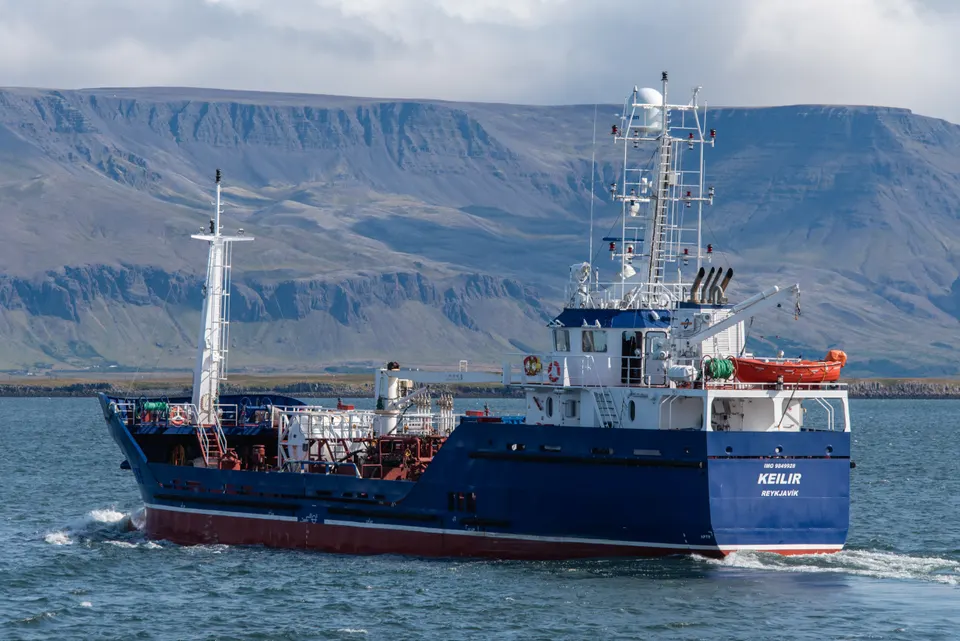
The United Kingdom has taken a significant step by relaxing its stringent sanctions on Russian crude oil, permitting the import of jet fuel and diesel refined in third countries. This decision, which came into effect recently, has been met with criticism from within the UK, with some labeling it as 'insane.' The move occurs at a time when global energy markets are experiencing considerable strain, exacerbated by ongoing disruptions, including the de facto blockade of the Strait of Hormuz. The UK government's rationale appears to be driven by the need to stabilize fuel costs and ensure supply chain resilience in the face of these global pressures.
The implications of this policy shift are multifaceted. For the global energy market, it represents a potential recalibration of supply dynamics, even if indirect. The easing of sanctions on refined products could influence global trade flows and pricing. For countries like Iran, which have been subject to extensive sanctions, this development might be viewed with mixed feelings. On one hand, it highlights the shifting geopolitical landscape and the pragmatic adjustments nations are willing to make to secure energy supplies. On the other hand, it could be seen as a sign that sanctions regimes are not immutable and can be adapted based on economic realities, potentially influencing future discussions around Iran's own sanctions.
---
Revolutionary Guards Warn of Regional War Expansion
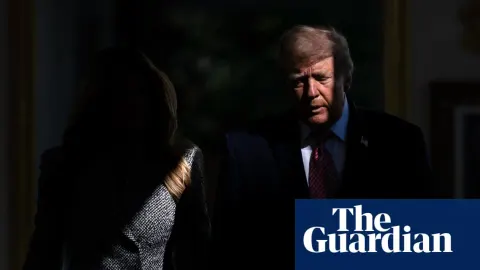
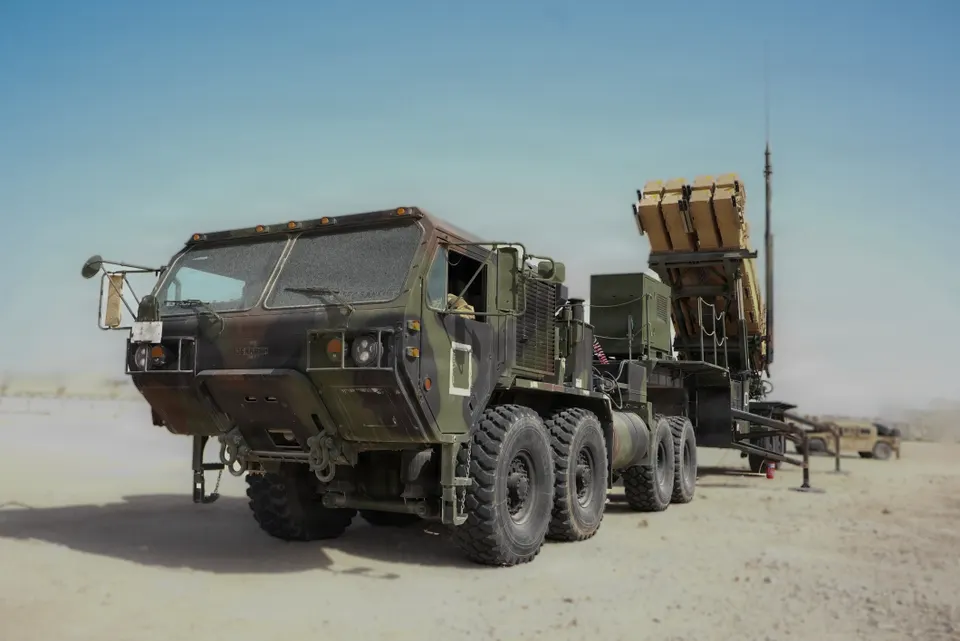
Iran's Islamic Revolutionary Guard Corps (IRGC) has issued a stark warning, threatening to extend any renewed conflict beyond the Middle East if the United States were to resume attacks against Tehran. This statement comes in the wake of President Donald Trump's own threats of intensified strikes. The IRGC's assertion signifies a hardening of Iran's defensive posture and a clear signal of its willingness to retaliate on a broader scale, escalating regional tensions significantly.
This warning is a direct response to the volatile rhetoric from the US and highlights the precarious state of Middle Eastern security. The IRGC's statement serves as a deterrent, aiming to dissuade further American military action by underscoring the potential for a wider, more destructive conflict. For regional stability and global energy markets, this rhetoric is a significant concern. The potential for conflict to spill beyond immediate borders could disrupt vital shipping lanes, impact oil production, and destabilize neighboring countries, leading to further volatility in commodity prices and a general increase in risk aversion among investors. The market's attention will be keenly focused on any signs of actual military escalation or de-escalation following these warnings.
, Public domain]
---
Australian LNG Facility Strikes Impact Global Energy Supply
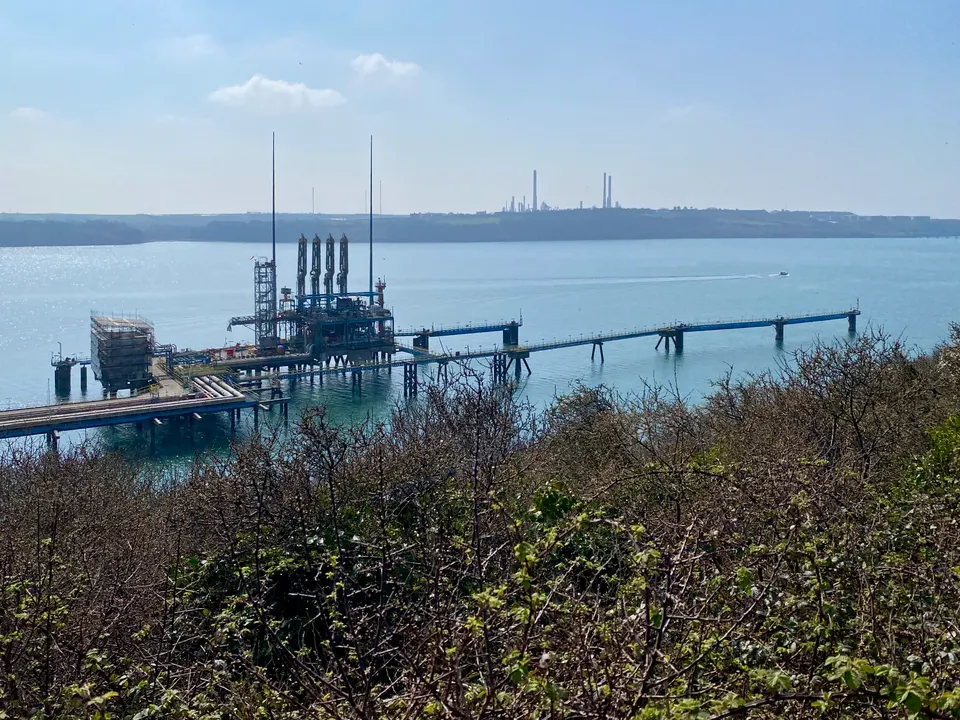
Maintenance workers at two major Liquefied Natural Gas (LNG) facilities in Australia have commenced strikes following the collapse of wage talks with their employer, UGL. The Offshore Alliance, representing the affected workers, stated that the industrial action is a direct result of UGL's failure to negotiate acceptable terms. This strike action is expected to impact significant operations, including Woodside's North West Shelf LNG facility and the neighboring Pluto LNG project, raising concerns about global energy supply stability.
The timing of these strikes is particularly sensitive, occurring amidst already strained global energy markets and heightened geopolitical risks in key supply regions. Any disruption to Australian LNG exports, a significant source of global supply, could lead to upward pressure on natural gas prices and potentially impact electricity generation costs in importing nations. This development adds another layer of uncertainty to the energy landscape, influencing price sentiment for oil and gas and potentially increasing demand for alternative energy sources or suppliers. The knock-on effects could be felt across various economies, impacting inflation and industrial output, and contributing to overall market nervousness.
Watch
Iran ‘prefers diplomacy’ but if there’s a war, Tehran says it’s ready • FRANCE 24 English
FRANCE 24 English
Frequently Asked Questions
What is Iran's official stance on the current conflict with the US?
Why has the UK eased sanctions on Russian crude oil?
What are the potential consequences of the Australian LNG facility strikes?
How might the IRGC's warning about extending the conflict impact regional stability?
How is the USD/IRR exchange rate performing today?
Understanding Economic Sanctions and Their Global Impact
Economic sanctions are powerful foreign policy tools used by countries or international bodies to pressure target states into changing their behavior. These measures typically involve restrictions on trade, finance, investment, and travel, aiming to inflict economic pain and thereby achieve specific political objectives. Common reasons for imposing sanctions include combating terrorism, preventing nuclear proliferation, promoting human rights, or deterring military aggression. They can range from targeted measures against specific individuals or entities (e.g., asset freezes) to comprehensive embargoes affecting entire economies.
While the primary goal of sanctions is often to compel a policy shift in the target country, their effectiveness is a subject of ongoing debate. Sanctions can certainly disrupt economies, leading to inflation, shortages, and reduced living standards, which might, in turn, generate internal pressure for change. However, they can also paradoxically strengthen regimes by fostering nationalist sentiment, creating black markets, or prompting the target state to seek new economic partners, thereby reducing the influence of the sanctioning powers.
A critical area where sanctions have profound and immediate effects is the global energy market. When major energy producers like Russia or Iran are subjected to sanctions, it can significantly disrupt global supply chains, leading to price volatility and shifts in energy trade routes. For instance, restrictions on oil and gas exports from a key producer can reduce global supply, driving up prices for consumers worldwide, including in the sanctioning countries. This interconnectedness highlights how sanctions, intended to isolate a specific nation, often ripple through the global economy, affecting everyone from consumers at the pump to international corporations.
The recent news of the UK easing some sanctions on Russia, despite ongoing tensions, illustrates the dynamic and often pragmatic nature of these policies. Sanctions are not static; they are frequently adjusted based on evolving geopolitical circumstances, humanitarian considerations, and the economic costs borne by the sanctioning countries themselves. Understanding economic sanctions is crucial for grasping the intricate interplay between international diplomacy, economic leverage, and global market stability in today's interconnected world.
Topics
Related Articles