Trump's GOP Consolidation Continues; Iran Leader Warns of 'Heavier Burden'
تثبیت جمهوریخواهان توسط ترامپ ادامه دارد؛ رهبر ایران هشدار داد: «بار سنگینتر»
Donald Trump has solidified his grip on the Republican party by defeating key critics in primary elections, signaling a potential shift in US foreign policy. Meanwhile, Iran's Supreme Leader issued a stark warning about national resistance, placing increased pressure on officials amidst ongoing global tensions.
At time of publishing
USD
181,600
Toman
Gold 18K
19.78M
Toman / gram
Bitcoin
$77,416
US Dollar
Tether
17,885.1
Toman
Trump Tightens Grip on GOP, Defeating Key Critic
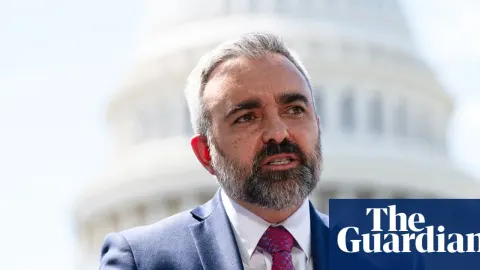
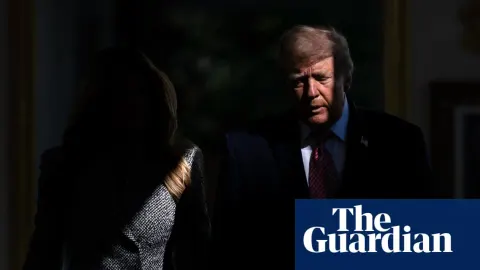
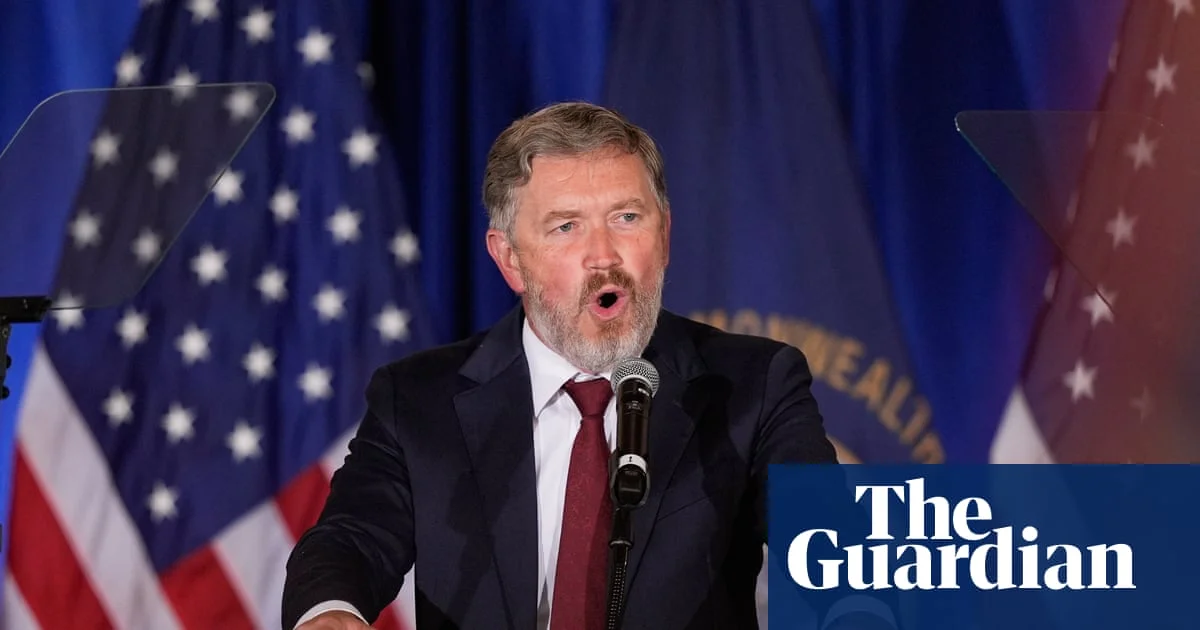
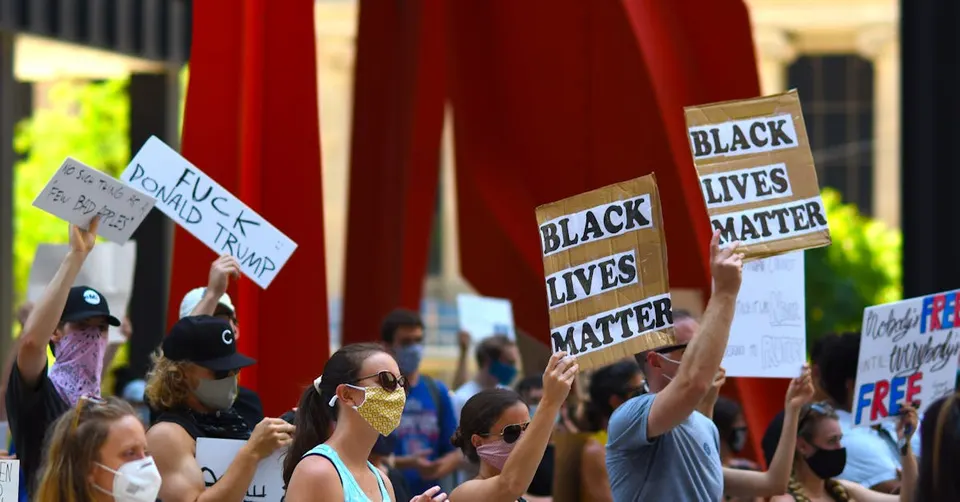
Donald Trump has further consolidated his influence within the Republican Party following Tuesday's primary elections, notably securing the defeat of Representative Thomas Massie in Kentucky. Massie, a seven-term incumbent, had been a vocal critic of Trump, opposing his policies on Iran, government spending, and advocating for the release of files related to Jeffrey Epstein. Trump viewed Massie's primary challenge as a personal vendetta, backing challenger Ed Gallrein, a former Navy SEAL. This victory, alongside other endorsements performing well in states like Georgia, Alabama, and Pennsylvania, underscores Trump's continued sway over the party's base and its electoral direction.
The implications of this consolidation extend beyond internal party dynamics. Massie's defeat, in particular, signals a potential tightening of the US approach to foreign policy, especially concerning Iran. With fewer dissenting voices within the GOP, Trump may find it easier to implement his agenda, which could include renewed pressure on Tehran or a different posture in ongoing international negotiations. For Iran, this consolidation means a less predictable, potentially more assertive, US foreign policy landscape, which could impact currency expectations, sanctions regimes, and overall regional stability.
---
Iran's Leader Warns of 'Heavier Burden' Amidst Resistance
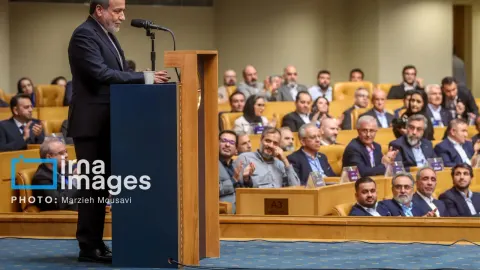
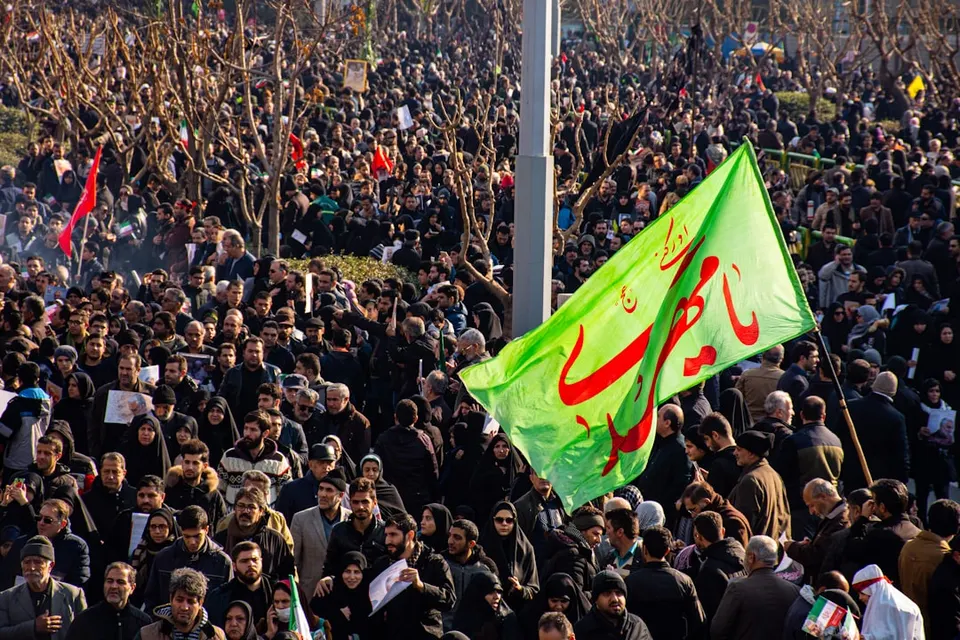
Ayatollah Seyyed Mojtaba Hosseini Khamenei, the Supreme Leader of the Islamic Revolution, has issued a strong statement emphasizing the 'historic, unprecedented epic of resistance' by the Iranian nation against what he described as 'two global terrorist armies.' According to IRNA, the Leader stated that this resistance places a 'heavier burden of responsibility' on all officials within the Islamic Republic, from the highest levels of government down to managers at all levels. This rhetoric suggests a call for increased vigilance, unity, and preparedness within Iran's leadership.
The timing of this statement is significant, coming amidst ongoing global geopolitical realignments and the persistent threat of international pressure or conflict. By framing the nation's struggle as resistance against global terrorist forces, Ayatollah Khamenei aims to bolster national morale and underscore the gravity of the current situation. For the Iranian populace, this message reinforces the narrative of national resilience and the need for collective effort, potentially influencing public sentiment and expectations regarding economic policies and international engagement. It also signals to external actors that Iran views itself as engaged in a protracted struggle requiring sustained commitment from its leadership.
---
AI-Driven Market Tests Loom as Bull Market Faces Headwinds
The current bull market, heavily influenced by advancements in artificial intelligence, is reportedly approaching its most significant test. MarketWatch reports that this AI-powered rally has weathered substantial challenges, including the collapse of Silicon Valley Bank in 2023 and trade tariff disputes last year. However, analysts suggest that underlying market structures and potential policy shifts could pose new risks. The resilience of this market may depend on its ability to absorb new economic data and adapt to evolving global conditions, particularly those influenced by geopolitical events and technological disruption.
The implications for investors and the broader economy are substantial. A significant market correction could impact savings, investment portfolios, and overall economic confidence. For Iran, understanding these global market dynamics is crucial. Fluctuations in international markets can affect commodity prices, investment flows, and the perceived stability of global economies, which in turn can influence the Iranian Toman's exchange rate, gold prices, and cryptocurrency valuations. The interconnectedness of global finance means that even distant market stresses can have tangible ripple effects on domestic economies, necessitating careful monitoring by policymakers and financial institutions alike.

---
Oil Prices Dip on Trump's Iran War Rhetoric
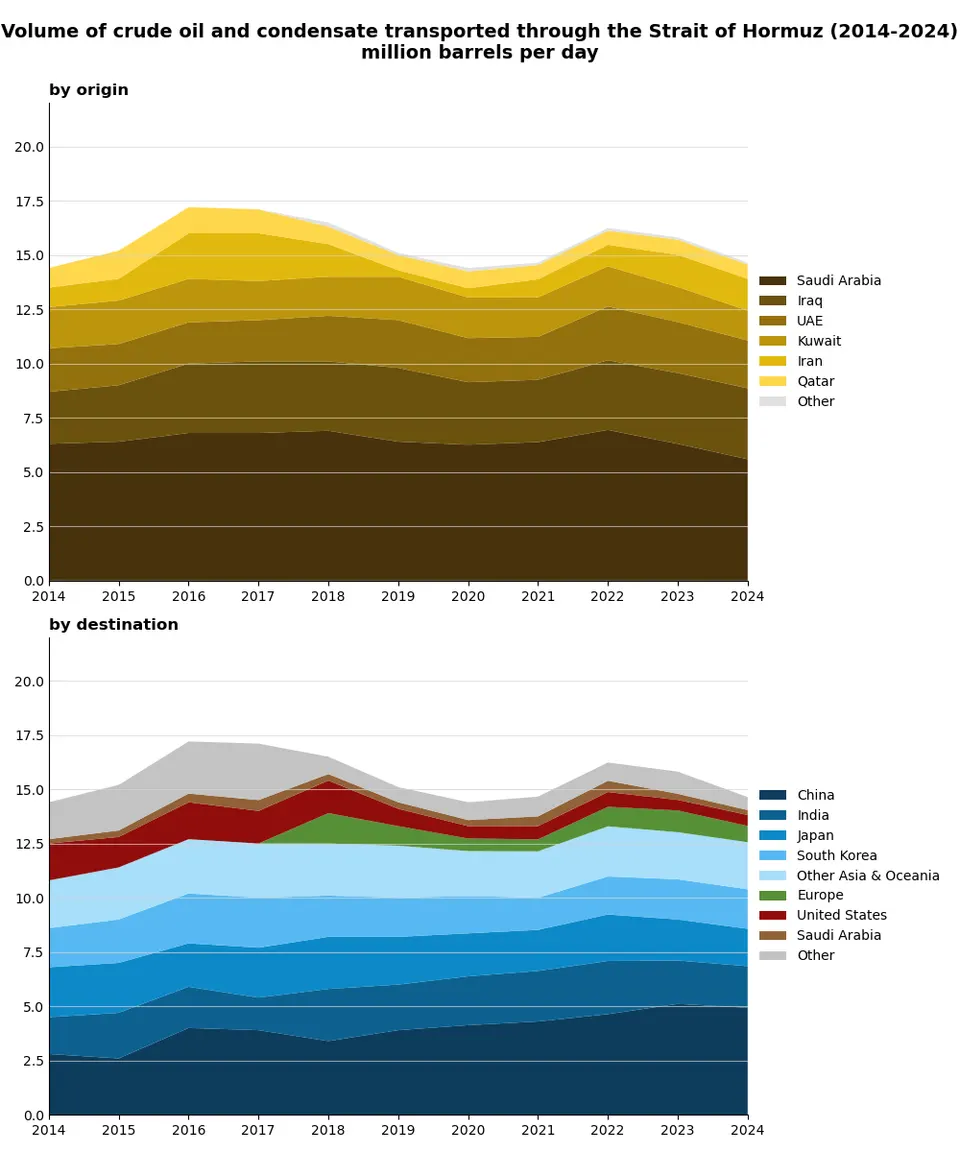
Oil prices experienced a decline following President Trump's reaffirmation of his intention to end the conflict in Iran 'very quickly.' This statement, coupled with market observations of increased activity in the Strait of Hormuz, created a complex signal for energy traders. While a swift resolution to conflict might typically lead to increased supply and lower prices, the heightened activity suggests underlying tensions remain significant. The market appears to be reacting to the perceived de-escalation signaled by Trump's remarks, but the reality on the ground in the Persian Gulf could still present risks.
This development has direct implications for global energy markets and geopolitical stability. Lower oil prices can ease inflationary pressures worldwide and reduce costs for consumers and businesses. However, they can also impact the revenues of oil-producing nations. For Iran, the rhetoric around ending a conflict quickly could be interpreted in various ways, potentially influencing its negotiating stance and economic strategy. The interplay between political statements and on-the-ground realities in key energy chokepoints like the Strait of Hormuz remains a critical factor for market participants to monitor, affecting everything from global trade routes to the price of gasoline at the pump.
Watch
Trump purges another Republican critic with Massie defeat in Kentucky • FRANCE 24 English
FRANCE 24 English
Frequently Asked Questions
What is the significance of Thomas Massie's defeat in the Kentucky primary?
What does Iran's Supreme Leader mean by a 'heavier burden' on officials?
How are AI advancements impacting the current bull market?
Why did oil prices decrease after Trump's comments on Iran?
How might Trump's consolidation of the GOP affect US-Iran relations?
Understanding the Geopolitical Risk Premium in Oil and Stock Markets
Geopolitical risk premium is the extra return investors demand for holding assets that are exposed to political uncertainty, such as oil‑producing nations or markets sensitive to diplomatic tensions. When events like a U.S. election, a hard‑line stance from Iran’s Supreme Leader, or sudden policy shifts by the GOP occur, they can alter expectations about supply disruptions, sanctions, or regulatory changes. This heightened uncertainty pushes investors to price in a risk premium, often causing oil prices to spike and stock markets to react sharply.
Oil is uniquely vulnerable because its supply chain spans multiple sovereign territories. Sanctions on Iran, for example, can remove a significant amount of crude from the global market, tightening supply and driving up prices. Conversely, political stability or diplomatic breakthroughs can ease concerns, leading to price declines. Traders and analysts use a mix of geopolitical intelligence and quantitative models—sometimes powered by AI—to forecast how likely a disruption is and to adjust the risk premium accordingly.
The ripple effect reaches equity markets as well. Energy‑heavy indices, such as the S&P 500 Energy sector, often move in tandem with oil prices. Moreover, broader market sentiment can be swayed by perceived geopolitical risk, prompting investors to shift toward safer assets like Treasury bonds or gold. Understanding the mechanics of the risk premium helps investors gauge whether price moves reflect genuine supply‑side shocks or are simply market overreactions to political headlines.
For policymakers, recognizing the risk premium is crucial. Aggressive rhetoric or abrupt policy changes can unintentionally amplify market volatility, affecting everything from gasoline prices at the pump to the cost of imported goods. By communicating clear, consistent strategies, governments can mitigate unnecessary spikes in the premium and promote more stable economic conditions.
In the age of big data, AI tools are increasingly employed to parse vast streams of news, social media, and satellite imagery, offering near‑real‑time assessments of geopolitical risk. While technology improves speed and granularity, the underlying concept remains the same: political events shape market expectations, and those expectations are priced into assets through the geopolitical risk premium.
Topics
Related Articles