UK Eases Russian Oil Sanctions Amid Hormuz Blockade; IRGC Warns of War 'Beyond the Region'
نرمش بریتانیا در تحریمهای نفتی روسیه؛ هشدار سپاه پاسداران درباره گسترش جنگ به خارج از مرزها
As energy prices soar due to the Strait of Hormuz blockade, the UK has softened sanctions on Russian crude, sparking tension with Kyiv. Meanwhile, the IRGC warns of a global escalation if US attacks resume, driving the Toman to new lows.
At time of publishing
USD
181,500
Toman
Gold 18K
19.76M
Toman / gram
Bitcoin
$77,423
US Dollar
Tether
17,927.4
Toman
The Pragmatic Retreat: UK Softens Russian Oil Sanctions
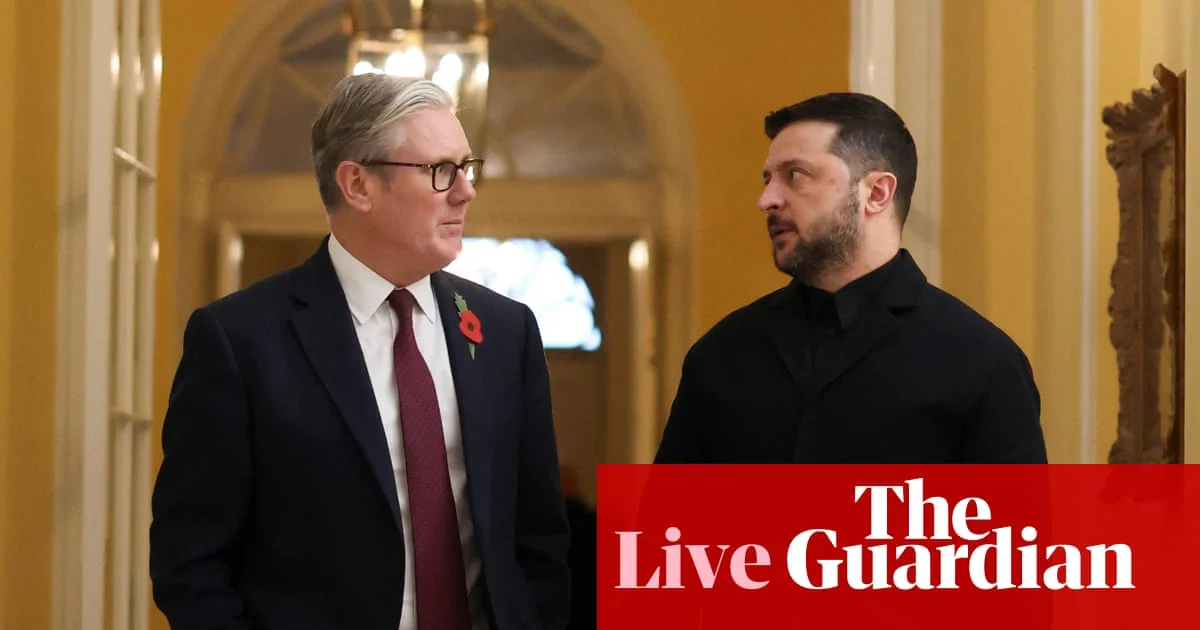
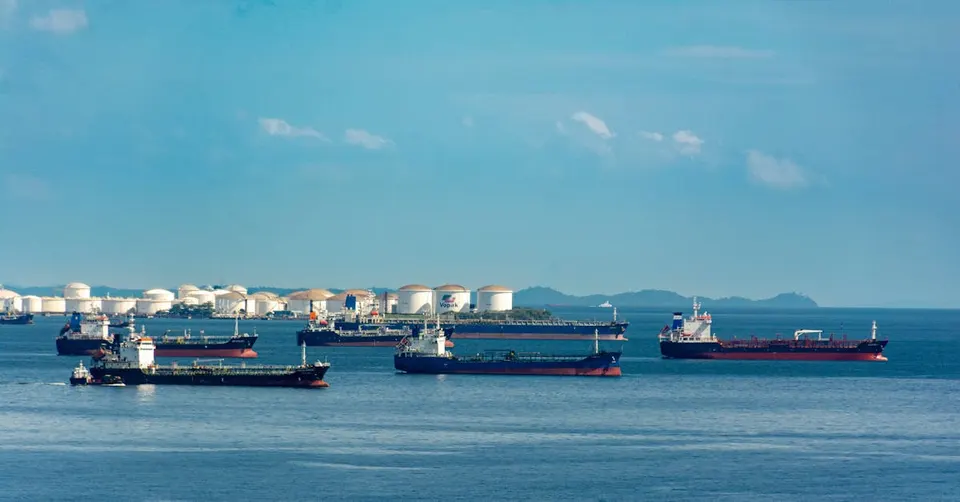
In a move that highlights the desperate state of global energy markets, British Prime Minister Keir Starmer is defending a controversial decision to relax strict sanctions on Russian crude oil. The policy shift comes as the effective blockade of the Strait of Hormuz continues to choke supply lines, sending fuel prices to levels that threaten domestic political stability in the West. While Starmer remains officially committed to supporting Ukraine, the reality of soaring heating and transport costs has forced a tactical retreat. This decision has not gone unnoticed in Kyiv; President Zelenskyy’s office has already reached out for urgent clarification, fearing that any loophole in Russian sanctions provides a lifeline to Moscow's war machine.
Adding a layer of complexity to this geopolitical pivot is the internal state of the UK’s Labour government. The party is currently in what observers call a 'curious transitional state.' While Starmer remains at the helm, influential figures like Andy Burnham and Wes Streeting are already positioning themselves for a post-Starmer era. This internal jockeying suggests that the current easing of sanctions may be part of a broader attempt to stabilize the economy before a potential leadership transition. For the global market, this signals that the 'sanctions at all costs' era may be giving way to a more fragmented, survivalist approach to energy security.
IRGC Issues 'Global War' Warning as Tensions Peak
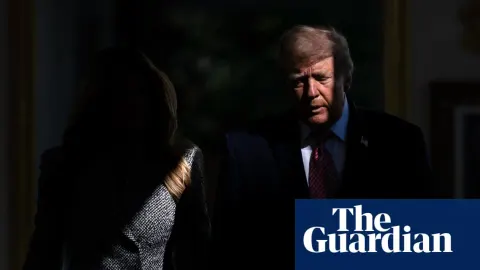
Tehran is vibrating with renewed tension this afternoon following a stern warning from the Islamic Revolutionary Guard Corps (IRGC). The Guard has explicitly stated that if the United States resumes military strikes, the ensuing conflict will not be contained within the Middle East but will extend 'beyond the region.' This escalation in rhetoric follows recent comments from Donald Trump, who suggested the US might deliver a 'big hit' to Tehran if a diplomatic breakthrough isn't reached soon. The psychological impact on the Iranian public and markets is palpable, as civilians prepare for a potential flare-up in hostilities while formal negotiations remain deadlocked.
The immediate fallout was visible in the currency markets. At 16:00 Tehran time, the USD/IRR exchange rate moved from 178,900 to 181,500, marking a sharp 1.5% increase in just 24 hours. Gold prices followed suit, with 18k gold rising from 19,476,660 to 19,762,454 Toman (+1.5%), and the Emami coin climbing 1.3% to reach 193,500,000 Toman. These numbers reflect a 'risk premium' being priced into every transaction, as the threat of a wider war makes the Toman a volatile asset to hold. The shooting down of a drone over Jordanian airspace today only adds to the sense that the region is a tinderbox waiting for a spark.
The Court of Xi Jinping: A New Global Diplomatic Hub
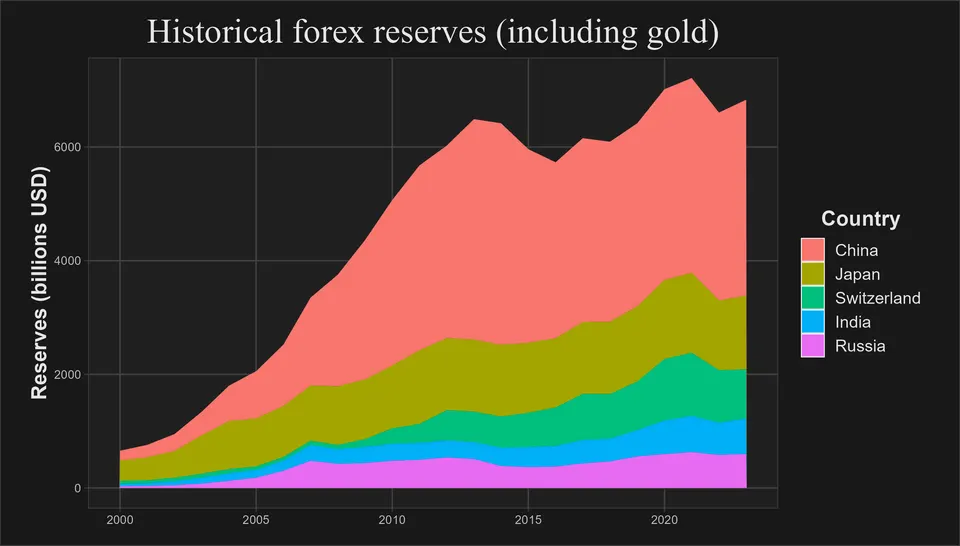
Beijing has effectively become the center stage of world diplomacy this week, hosting a series of high-stakes visits that underscore China’s rising role as the ultimate arbiter of global conflict. Following a visit by Donald Trump, Russian President Vladimir Putin has now arrived in the Chinese capital. This sequencing is highly symbolic; it reveals that both Washington and Moscow view Beijing as the necessary intermediary for any resolution to the wars in Ukraine and the Middle East. However, the relationship remains deeply asymmetrical. While Russia is increasingly dependent on China for its economic survival, Russia accounts for only 4% of China’s total international trade, giving Xi Jinping immense leverage over his northern neighbor.
Xi Jinping has used this platform to call for an immediate halt to fighting in the Middle East while notably ignoring Russia's ongoing operations in Ukraine—a move interpreted as a veiled swipe at US foreign policy. For Iran, China’s diplomatic dominance is a double-edged sword. On one hand, Beijing provides a critical outlet for Iranian oil; on the other, Tehran finds itself increasingly subservient to China's broader strategic interests. As the US and Russia both 'pay court' to Xi, the global order is shifting toward a multipolar reality where the yuan and Chinese policy decisions carry more weight than ever before in the halls of power in Tehran and Moscow.
Market Fragility: Recession Warnings and Crypto Momentum
Beyond the geopolitical headlines, the global economy is showing signs of significant fatigue. Prominent economist Mark Zandi has warned that the United States is 'close to the edge,' placing the risk of a recession at 40%. Zandi argues that US stock markets have become detached from the reality of high interest rates and geopolitical instability. This sentiment is echoed by the recent $300 million pledge from George Soros’s Open Society Foundations, which is pivoting its focus away from international projects to bolster US economic security and civil liberties—a sign that even the world’s most famous philanthropists are bracing for domestic turmoil.
In the digital asset space, Bitcoin’s momentum appears to be fading after a brief rally. The cryptocurrency is currently trading at $77,423, but analysts warn that failing to hold the $74,000-$76,000 support levels could trigger a deeper correction. Despite this, some metrics suggest that the worst of the sell-off may be over, pointing to a potential cycle low formed earlier this year. Meanwhile, Tether is expanding its footprint in Asia, filing for seven trademarks in South Korea, sparking speculation about a won-pegged stablecoin. This move toward localized stablecoins suggests that even in a volatile market, the infrastructure for digital finance continues to mature, preparing for a world where traditional currencies are increasingly under pressure.
Frequently Asked Questions
Why did the UK relax sanctions on Russian oil despite the war in Ukraine?
What does the IRGC's threat of war 'beyond the region' imply?
How is the USD/IRR exchange rate reacting to these developments?
What is the significance of Putin and Trump visiting Beijing in the same week?
The Strategic Importance of the Strait of Hormuz
The Strait of Hormuz is a narrow waterway that connects the Persian Gulf with the Gulf of Oman and the wider Indian Ocean. Despite being only about 21 nautical miles wide at its narrowest point, it serves as a critical chokepoint for global energy supplies: roughly 20% of the world’s oil and about 25% of its liquefied natural gas (LNG) pass through the strait each day. This concentration of flow means that any disruption—whether caused by military conflict, piracy, or a blockade—can instantly reverberate through international oil prices and affect economies far beyond the Middle East.
Because of its outsized role, the strait has long been a focal point of geopolitical tension. Nations that rely heavily on imported energy, such as China, Japan, and many European countries, monitor Hormuz closely. When Iran threatens to close the passage, as it has done in response to sanctions or perceived aggression, the risk premium on oil spikes, prompting traders to seek alternative routes or to hedge with futures contracts. This dynamic explains why news of a potential Hormuz blockade can move markets even before any ships are actually stopped.
The United Kingdom’s decision to ease Russian oil sanctions in the context of a Hormuz threat illustrates how intertwined sanctions policy and maritime security are. By allowing more Russian crude to flow through European markets, the UK aims to cushion potential supply shocks that could arise if Hormuz were to be closed. However, the move also raises concerns about secondary sanctions evasion, as Iran and Russia have historically cooperated to circumvent Western restrictions using tankers that transit the strait.
For students of international economics, the Hormuz scenario highlights the concept of a “strategic choke point.” Such points are narrow passages—whether maritime, pipeline, or digital—that, if disrupted, can cause disproportionate economic damage. Understanding how choke points shape global trade helps explain why countries invest heavily in naval presence, diplomatic negotiations, and even cyber‑defense to keep these arteries open.
In practical terms, the health of the Hormuz corridor influences everything from the price you pay at the pump to the cost of electricity in distant nations. Monitoring diplomatic developments, naval deployments, and sanctions regimes provides a clearer picture of future energy price volatility and the broader geopolitical landscape.
Topics
Related Articles