Libyan 'Angel of Death' Faces ICC; Oil Prices Dip as Trump Eyes Quick Iran War End
«فرشته مرگ» لیبی در دادگاه لاهه؛ قیمت نفت با وعده پایان سریع جنگ ایران توسط ترامپ کاهش یافت
A former Libyan prison chief, dubbed the 'Angel of Death,' has appeared before the International Criminal Court facing charges of crimes against humanity. Meanwhile, global oil prices saw a dip following President Trump's assertion that a resolution to the Iran conflict is imminent, even as tanker traffic through the Strait of Hormuz shows signs of normalization.
At time of publishing
USD
181,250
Toman
Gold 18K
19.70M
Toman / gram
Bitcoin
$77,179
US Dollar
Tether
17,902.8
Toman
'Angel of Death' Faces International Justice in The Hague
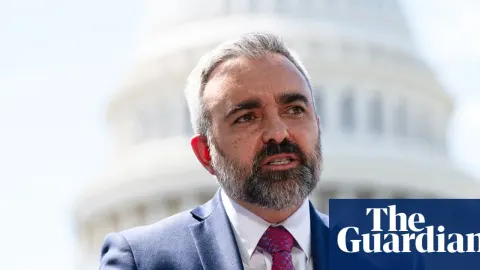
Khaled Mohamed Ali El Hishri, a former senior commander at Libya's notorious Mitiga prison and infamously known as the 'Angel of Death,' has appeared before the International Criminal Court (ICC) in The Hague. The court heard harrowing accounts of alleged murders and rapes committed against inmates during his tenure between 2015 and 2020, a period marked by instability following the fall of Muammar Gadhafi's regime. El Hishri faces 17 counts of crimes against humanity and war crimes, painting a grim picture of the human rights abuses that transpired within the prison walls.
This development is significant not only for the pursuit of justice for victims but also for the broader implications for international accountability for atrocities committed in conflict zones. For Iran and its regional allies, the ICC's proceedings serve as a stark reminder of the international legal frameworks that seek to hold individuals accountable for severe human rights violations. While not directly tied to current geopolitical tensions involving Iran, such high-profile cases can indirectly influence perceptions of stability and the rule of law in the Middle East, potentially impacting investor confidence and risk assessments in the region.
---
Oil Prices Ease as Trump Promises Swift End to Iran Conflict
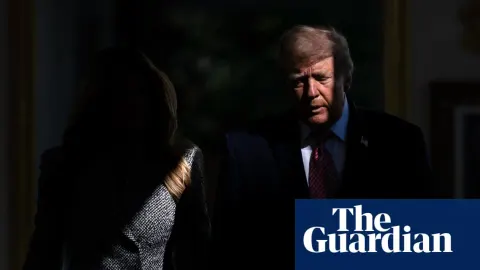
Global oil prices experienced a notable decline, with futures dropping below $108 a barrel. This downturn appears directly linked to recent statements from U.S. President Trump, who reaffirmed his commitment to ending the ongoing conflict in Iran "very quickly." The market is interpreting these remarks as a signal of potential de-escalation, which typically leads to a reduction in geopolitical risk premiums that have been inflating energy costs.
The immediate consequence for consumers and the global economy is a welcome reprieve from soaring energy prices. This could translate into lower inflation across various sectors, from transportation to manufacturing, and potentially ease pressure on central banks regarding interest rate policies. For Iran, while the prospect of a swift resolution might seem beneficial on the surface, the specific terms and implications of any such resolution remain critical. The market's reaction underscores the significant influence of U.S. political rhetoric on global energy markets, highlighting the delicate balance of power and its economic repercussions.
---
Strait of Hormuz Sees Increased Tanker Traffic Amid Easing Tensions
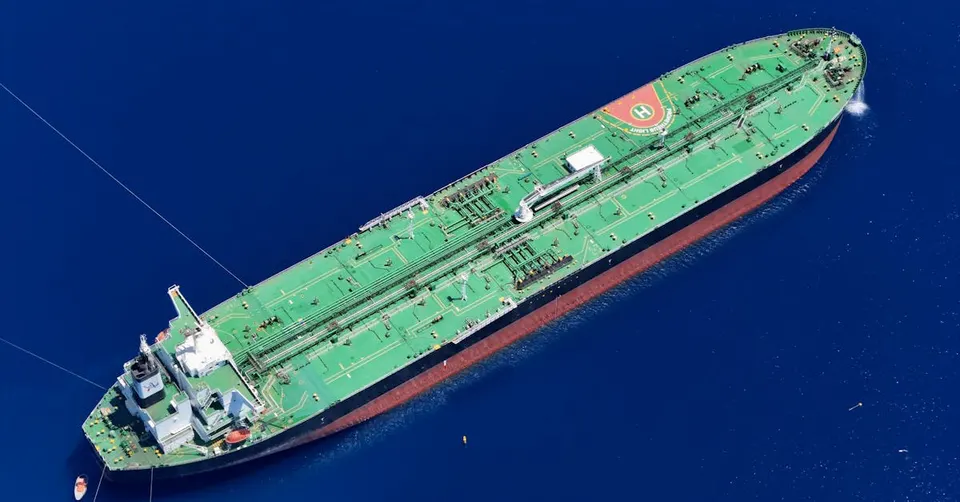
Adding to the signs of a potential easing of tensions, three supertankers carrying a combined 6 million barrels of crude oil have successfully exited the Strait of Hormuz. These vessels had been held within the Persian Gulf for over two months, their departure signaling a return to more normalized shipping operations through this critical global chokepoint. The successful transit of these Very Large Crude Carriers (VLCCs) heading towards Asian refining hubs is a positive development for global energy supply chains.
This increased traffic and the subsequent drop in oil prices suggest that the immediate threat of a prolonged blockade or severe disruption in the Strait of Hormuz may be receding, at least in the short term. For Iran, which has previously used control over the strait as a leverage point, this normalization could diminish its geopolitical bargaining power. For the global economy, it means a more stable flow of oil, potentially mitigating inflationary pressures and supporting economic recovery efforts worldwide. The IRGC Navy's announcement that transits are proceeding under its coordination further underscores a managed approach to maritime traffic in the region.
---
Early War Goal: Regime Change in Tehran?
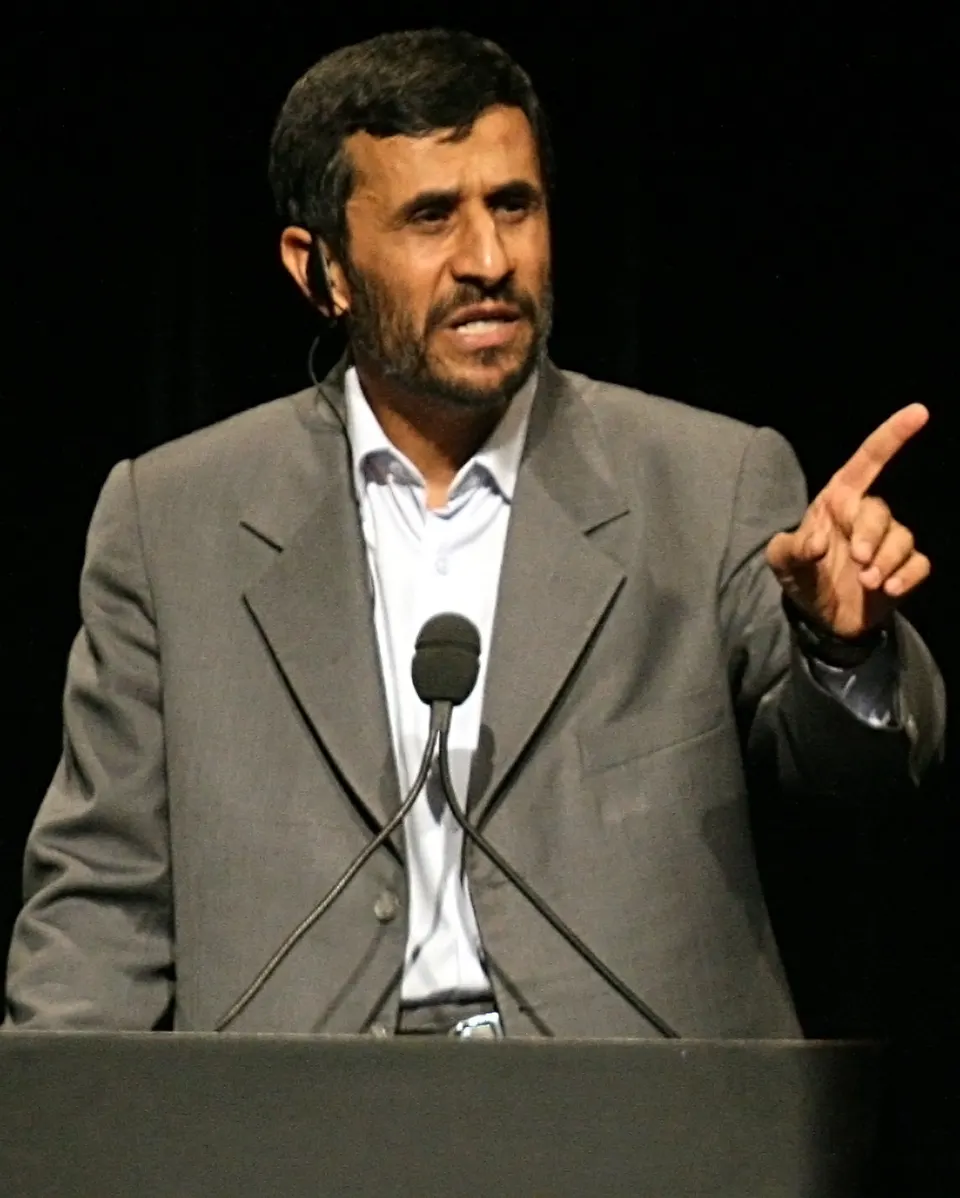
New reports suggest that an early objective in the recent conflict involving Iran may have been to install former hard-line President Mahmoud Ahmadinejad back into power. U.S. officials have indicated that an Israeli strike, reportedly aimed at freeing Ahmadinejad from house arrest, was part of a broader strategy to engineer regime change in Tehran. This revelation sheds new light on the complex geopolitical machinations and potential covert operations underpinning the regional conflict.
The implications of such a strategy, if true, are profound. It suggests a willingness by certain international actors to employ extreme measures to reshape Iran's political landscape, potentially leading to prolonged instability. For the Iranian populace, this news could further erode trust in both internal and external political actors, impacting economic confidence and potentially influencing currency expectations. The revelation also highlights the intricate web of alliances and rivalries in the Middle East, where proxy conflicts and regime change agendas can significantly destabilize regional and global markets.
Watch
Libyan prison chief known as 'Angel of Death' appears before ICC • FRANCE 24 English
FRANCE 24 English
Frequently Asked Questions
What are the charges against the Libyan prison chief known as the 'Angel of Death'?
Why did global oil prices drop?
What is the significance of the increased tanker traffic in the Strait of Hormuz?
What new information has emerged about the objectives of the conflict involving Iran?
How does the situation in the Strait of Hormuz affect Iran's leverage?
The Strategic Importance of the Strait of Hormuz
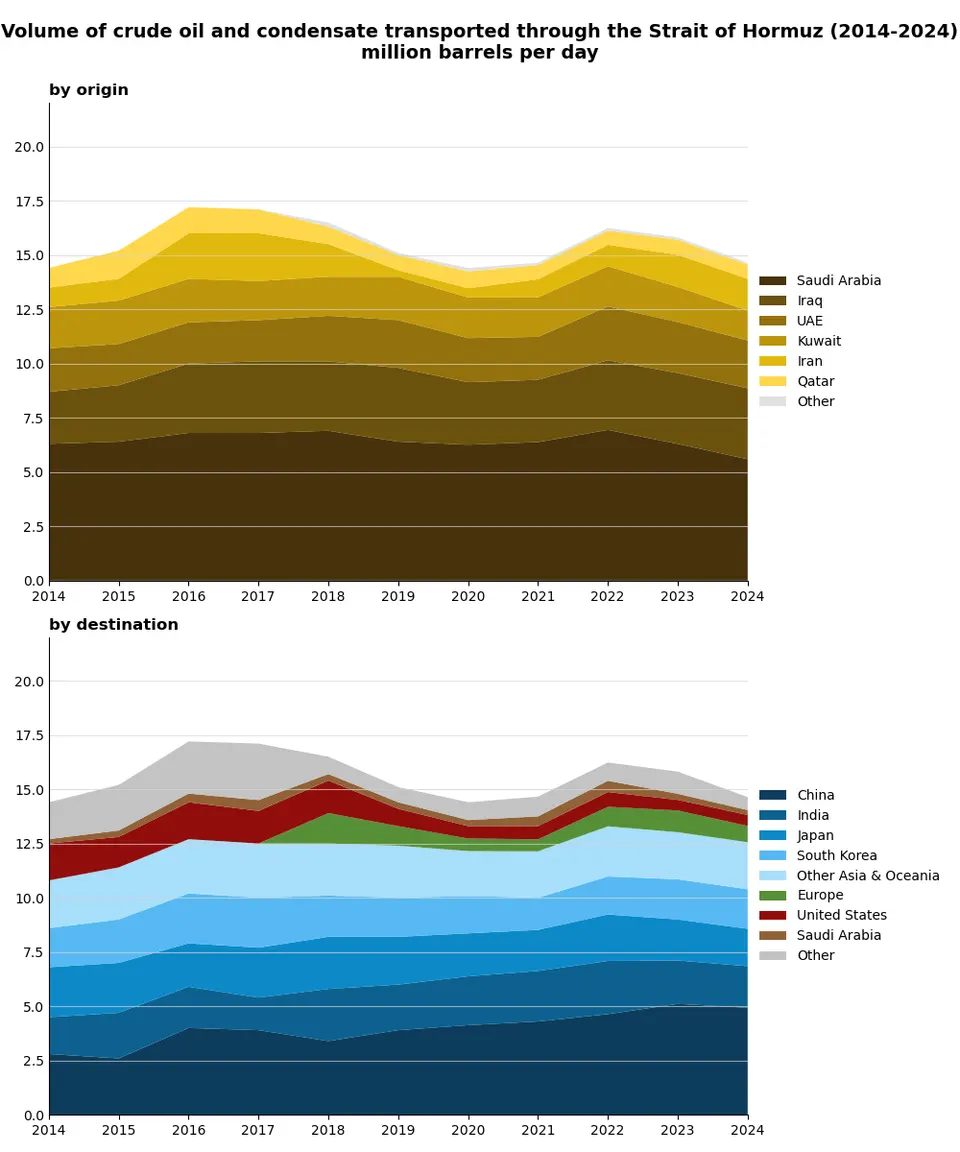
The Strait of Hormuz stands as one of the world's most critical maritime choke points, a narrow waterway connecting the Persian Gulf to the Gulf of Oman and, subsequently, the open ocean. This geographical bottleneck is not merely a passage; it is the lifeblood of global energy markets, through which an immense volume of crude oil and liquefied natural gas (LNG) flows daily. Its strategic significance stems from its unique position, serving as the sole sea passage for oil exports from major Middle Eastern producers like Saudi Arabia, Iran, the UAE, Kuwait, Iraq, and Qatar.
Roughly one-fifth of the world's total petroleum consumption, and a substantial portion of its LNG, transits through the Strait of Hormuz. This makes it an indispensable conduit for global energy supply, linking the world's largest oil producers to key markets in Asia, Europe, and North America. Any disruption or perceived threat to this passage can send immediate shockwaves through international commodity markets, directly impacting global oil prices and, by extension, the world economy.
Geopolitical tensions in the region, such as those involving Iran, frequently highlight the Strait's vulnerability. Threats to close or disrupt shipping through the Strait, whether explicit or implicit, are often met with swift market reactions, causing oil prices to surge due to fears of supply shortages. Conversely, signals of de-escalation or potential resolutions to conflicts, like former President Trump's stated aim for a "quick Iran war end," can lead to a dip in oil prices. This is because reduced geopolitical risk in such a vital transit zone alleviates market anxieties about supply interruptions, demonstrating the Strait of Hormuz's profound role as both a critical economic artery and a barometer of Middle Eastern stability.
Topics
Related Articles