Trump’s $1.8B ‘Slush Fund’ Lawsuit and the ‘Ahmadinejad Plot’ Shake Markets as Gold Surges
شکایت ۱.۸ میلیارد دلاری از ترامپ و شایعه «طرح احمدینژاد»؛ تلاطم در بازارها و صعود طلا
A massive lawsuit against Donald Trump over a $1.8 billion fund and sensational claims of a US-Israeli plot to install Mahmoud Ahmadinejad as leader have sent shockwaves through Iranian markets. While USD rose slightly, gold and coins saw significant gains as domestic anxiety peaks.
At time of publishing
USD
179,300
Toman
Gold 18K
19.67M
Toman / gram
Bitcoin
$77,526
US Dollar
Tether
17,791.5
Toman
The $1.8 Billion Legal Front: Trump’s Internal and External Battles
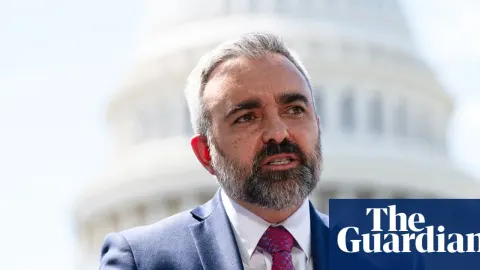
At 19:00 Tehran time, the geopolitical landscape is being dominated by a dual-track escalation involving Donald Trump. In Washington, two police officers from the January 6 Capitol insurrection have filed a major lawsuit against the former president. The suit targets a proposed $1.776 billion “anti-weaponization” fund, which critics and the plaintiffs allege is a corrupt slush fund designed to reward rioters and political allies. This legal challenge is not just a domestic US affair; it signals a deepening fracture in the American political system that has direct consequences for global risk appetite. For Iranian observers, the prospect of a Trump return—marked by such unconventional financial and legal maneuvers—suggests a future US administration that may be even more unpredictable and aggressive in its use of executive power than during his first term.
Simultaneously, Trump has consolidated his grip on the Republican party, claiming a "100%" success rate in recent primaries. In a move that directly impacts Middle Eastern stability, Trump recently asserted his absolute influence over Israeli Prime Minister Benjamin Netanyahu, stating that the Israeli leader would do "whatever I want him to do" regarding strikes on Iran. This rhetoric of absolute control, combined with his high approval ratings in Israel, reinforces the narrative of a looming "Maximum Pressure 2.0" campaign. This political consolidation in the US is the primary driver behind the current market jitters in Tehran, as traders hedge against a future of heightened sanctions and potential direct confrontation.
The Ahmadinejad Revelation: Regime Change Rumors Resurface
Adding fuel to an already volatile fire, a sensational report has emerged claiming that the US and Israel once hoped to install Mahmoud Ahmadinejad as Iran’s leader. The claim suggests that an early-war airstrike was specifically intended to free the populist former president from house arrest. While Ahmadinejad was once the West's primary antagonist, his recent years as a critic of the current Iranian establishment have apparently made him a figure of interest for foreign intelligence agencies seeking a populist alternative. This report, whether fully verifiable or a strategic leak, has profound implications for internal Iranian stability. It suggests that the "regime change" playbook is being dusted off, creating a sense of domestic uncertainty that often precedes significant capital flight.
For the average Iranian citizen, these rumors are more than just tabloid fodder; they represent the potential for renewed internal friction. Ahmadinejad’s legacy of populist economics and his eventual fallout with the Supreme Leader create a complex narrative that foreign actors might seek to exploit. This psychological warfare is reflected in the currency and gold markets, where the public is increasingly seeking safety in hard assets. The mere suggestion of such high-level plotting by US and Israeli forces serves to weaken confidence in the long-term stability of the current economic order, driving up the risk premium on all Iranian assets.
Domestic Realities: Commemoration Amidst Market Volatility
On the domestic front, President Masoud Pezeshkian has issued a formal message marking the second anniversary of the martyrdom of former President Ebrahim Raisi. This day of national remembrance serves as a backdrop to a market that is anything but somber. The Iranian Toman has shown signs of weakness as geopolitical tensions rise. In the last 24 hours, the USD sell rate moved from 178,900 to 179,300, a modest increase of 0.2%. However, the real action is in the gold market, which acts as the ultimate barometer of local fear. Gold 18k per gram rose from 19,476,660 to 19,672,884, a 1.0% jump, while the Emami coin surged from 191,000,000 to 193,500,000, marking a 1.3% increase.
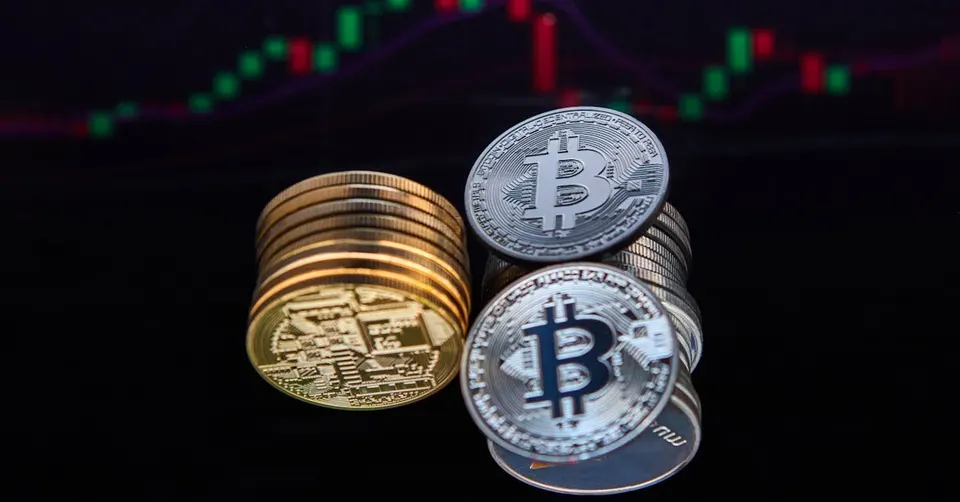
This divergence—where gold is outperforming the dollar—indicates that Iranians are not just worried about the Toman's value, but are seeking a global hedge against systemic risk. The 1.3% jump in the Emami coin in just one day reflects a rush to liquidity and safety that far outpaces the slow creep of the dollar. As the nation remembers Raisi’s tenure, the current administration faces the daunting task of managing an economy that is increasingly reactive to headlines from Washington and Tel Aviv. The stability of the Pezeshkian government will be tested by its ability to provide an economic anchor in these turbulent waters.
Global Energy Shift: Oil Scarcity and the EV Acceleration
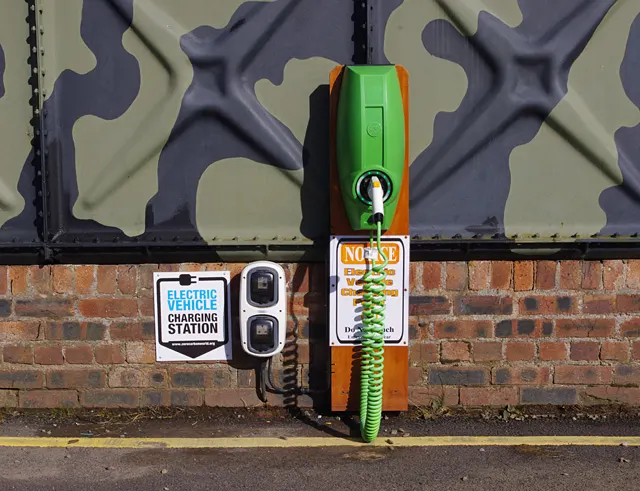
In a broader economic context, the International Energy Agency (IEA) has released a report that should serve as a warning to oil-dependent nations like Iran. The IEA notes that the ongoing "Iran war" and the resulting fuel price spikes have accelerated the global shift to electric vehicles (EVs). EV sales are projected to hit 30% of all car sales globally this year, as consumers look for ways to insulate themselves from Middle Eastern volatility. This structural shift means that even if Iran maintains its leverage over the Strait of Hormuz, the long-term global demand for its primary export is being eroded faster than previously anticipated by the very conflicts meant to highlight its importance.
Furthermore, US crude oil inventories are sinking fast, with a massive draw of 7.9 million barrels reported this week. While this usually supports higher oil prices, the market remains conflicted. Reports of a potential "Iran deal" have occasionally pushed prices below the $100 mark, though analysts warn not to get too excited. For Iran, this creates a double-edged sword: high prices provide immediate revenue but hasten the global transition away from oil, while the threat of a deal keeps the market in a state of constant, unpredictable flux. The intersection of sinking inventories and rising EV adoption suggests a future where oil's role as a geopolitical weapon is significantly diminished.
Frequently Asked Questions
Why is the $1.8 billion fund lawsuit against Trump relevant to Iran?
Is the report about the 'Ahmadinejad Plot' credible?
Why is gold rising faster than the US dollar in the Iranian market today?
Understanding Geopolitical Risk and the Flight to Safe-Haven Assets
Geopolitical risk refers to the potential for political events, conflicts, or instability between nations or within major political entities to disrupt global markets and economic activity. These risks can stem from a wide array of sources, including wars, trade disputes, elections, policy shifts, or even rumors of significant political upheaval, such as the “Ahmadinejad plot” mentioned in the headline. The defining characteristic of geopolitical risk is the uncertainty it injects into the economic landscape, making it difficult for investors to predict future cash flows, policy stability, or supply chain reliability. This uncertainty often leads to a reassessment of risk premiums across various asset classes.
When geopolitical tensions escalate, investors typically seek to protect their capital by moving towards assets perceived as "safe havens." These are investments that are expected to retain or even increase in value during periods of market turbulence and economic uncertainty. The rationale behind this flight to safety is straightforward: in times of widespread panic or instability, investors prioritize capital preservation over potential growth. They look for assets that are less correlated with broader market movements and are considered reliable stores of value, independent of the political or economic fortunes of any single nation or corporation.
Gold stands out as the quintessential safe-haven asset, a role it has played for millennia. Its appeal during times of geopolitical risk is multifaceted. Unlike fiat currencies, gold is not subject to the monetary policies or political stability of any government, making it a hedge against inflation and currency devaluation. Its finite supply and historical status as a universal medium of exchange and store of wealth further solidify its position. When rumors of political plots or significant lawsuits, like the “Trump lawsuit” mentioned, create market jitters, the demand for gold often surges as investors seek refuge from the perceived instability, driving up its price.
Understanding the dynamic between geopolitical risk and safe-haven assets is crucial for investors and policymakers alike. It highlights how non-economic factors can profoundly influence financial markets, shifting capital flows and impacting asset prices globally. Monitoring geopolitical developments and their potential ramifications on investor sentiment is key to navigating periods of heightened uncertainty and making informed decisions in a volatile world.
Topics
Related Articles