
UK Cuts Taxes Amid Iran War Shocks; Japan’s Oil Imports Hit Record Low as Hormuz Chokehold Tightens
کاهش مالیات در بریتانیا تحت تأثیر جنگ ایران؛ سقوط تاریخی واردات نفت ژاپن با انسداد تنگه هرمز
Chancellor Rachel Reeves slashes VAT to 5% to ease the burden of the Iran war on British families, while Japan reports its lowest Middle East oil imports since 1979. In the markets, Nvidia’s massive buyback provides a tech cushion as Bitcoin struggles to break the $78,000 resistance.
At time of publishing
USD
180,400
Toman
Gold 18K
19.68M
Toman / gram
Bitcoin
$77,073
US Dollar
Tether
17,792.5
Toman
UK Fiscal Pivot: VAT Slashed as Service Sector Slumps
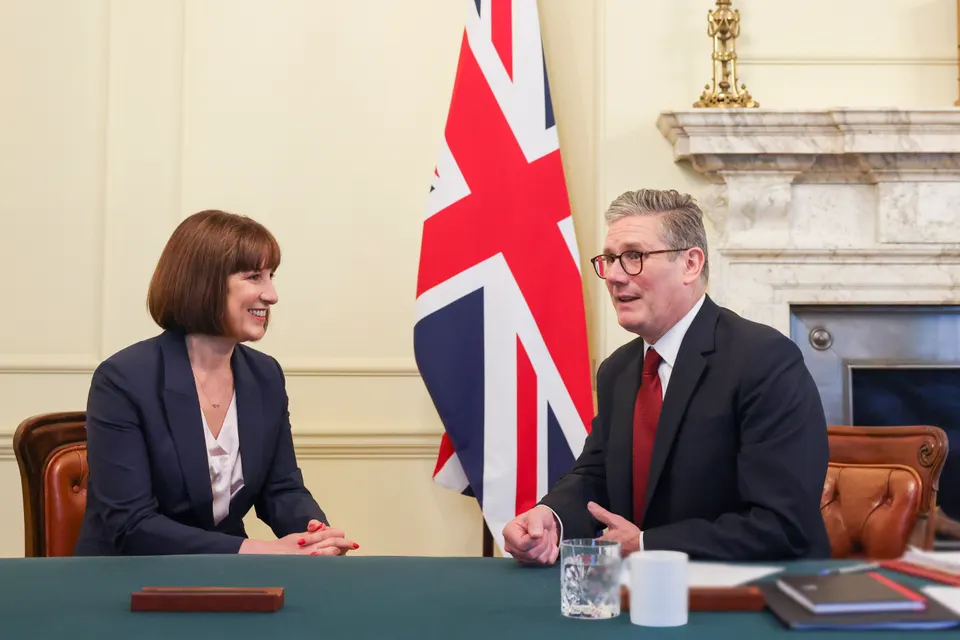
Chancellor Rachel Reeves has taken the unexpected step of cutting VAT to 5% on summer attractions, including theme parks and family entertainment, in a direct attempt to mitigate the cost-of-living crisis exacerbated by the ongoing conflict in Iran. This move comes as the UK’s dominant service sector reports one of its sharpest declines in a decade. Business leaders describe a "perfect storm" where domestic political uncertainty under Keir Starmer’s leadership meets the severe global supply chain disruptions caused by the war. The Chancellor also confirmed a freeze on fuel duty, funded by an increased tax on global oil giants who have seen profits soar during the energy crunch.
For the average British household, this fiscal relief is a double-edged sword. While it makes summer leisure more affordable, the underlying cause—a massive spike in energy and import costs—remains unresolved. The service sector's slump, marked by job cuts and supply shortages, suggests that the UK economy is struggling to decouple from the geopolitical volatility in the Middle East. This policy shift indicates that Western governments are now forced to use aggressive fiscal tools just to maintain social stability as the economic ripples of the Iran conflict reach their borders.
The Energy Chokehold: Japan’s Imports Hit 1979 Lows
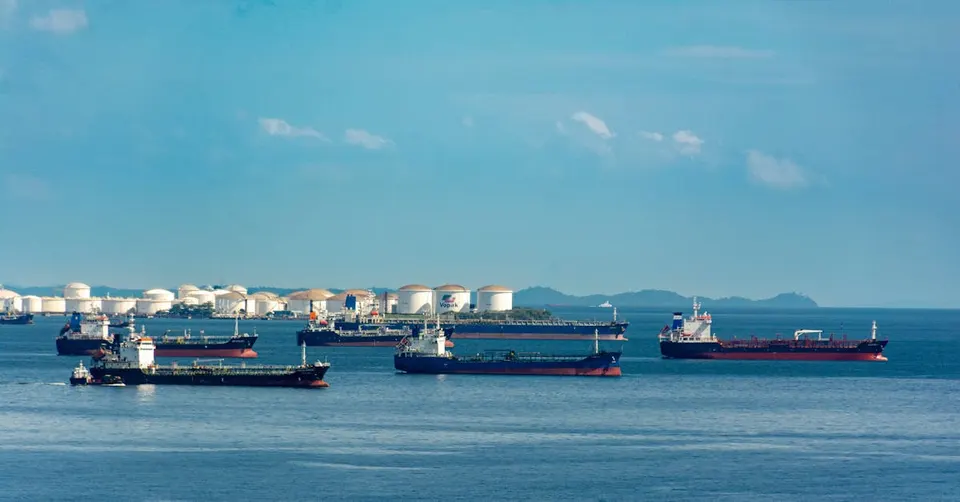
The physical reality of the Strait of Hormuz closure is now visible in hard data. Japan, one of the world’s most energy-dependent nations, reported that its crude imports from the Middle East plummeted by over 67% in April compared to the previous year. This brings Japan’s reliance on the region to its lowest level since record-keeping began in 1979. With physical supplies through the Strait estimated to be 95% below regular levels, the global energy map is being redrawn in real-time. Oil prices have climbed steadily as crude stockpiles are depleted just as the peak summer travel season begins.
This collapse in supply is forcing major industrial powers to look elsewhere, but the speed of the disruption has left little room for maneuver. In Tehran, the market reflects this tension; the USD/IRR rate moved from 179,600 to 180,400 (+0.4%) in the last 24 hours, showing persistent pressure on the Toman despite the regional leverage gained by the blockade. For global markets, the de facto closure of Hormuz is no longer a threat—it is a sustained economic blockade that is draining the strategic reserves of America’s closest allies in Asia.
Market Divergence: Nvidia’s Lifeline vs. Crypto Resistance
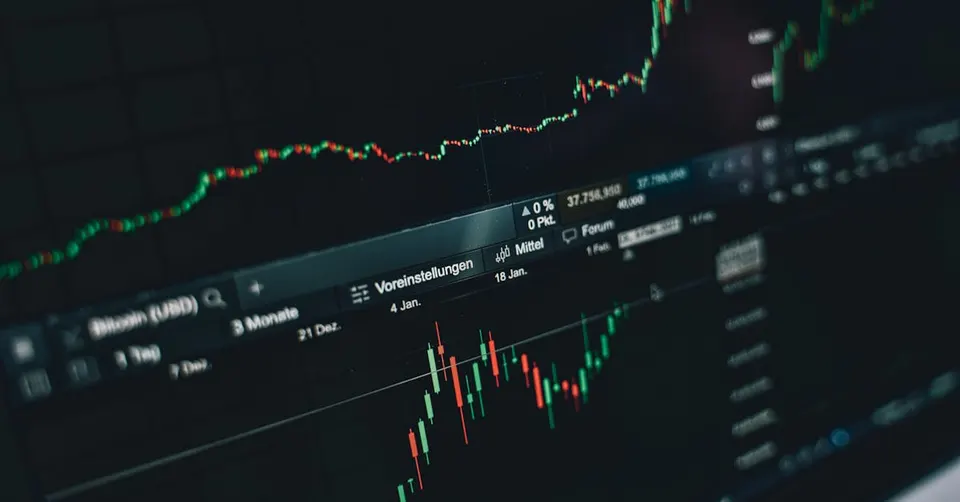
While the macro-economy faces energy-driven headwinds, the technology sector is finding its own momentum. Nvidia has announced a staggering $80 billion stock buyback and a dividend increase, a move analysts compare to Apple’s historic shifts. This has provided a significant cushion for global equity markets, even as South Korean stocks like Samsung rally on the back of successful labor negotiations and AI chip demand. However, the optimism in traditional tech has not fully translated to the crypto space. Bitcoin has stalled near $77,073, failing to break the $78,000 resistance as ETF outflows extend into their fourth consecutive day.
The divergence between AI-driven hardware growth and speculative digital assets is becoming more pronounced. While Nvidia’s cash-rich position allows it to dictate market sentiment, Bitcoin is grappling with long liquidations and a cooling of the post-breakout rally. In the Iranian domestic market, gold and coins have seen a slight retreat; Emami coin dropped from 193,500,000 to 192,000,000 Toman (-0.8%), and 18k gold edged down to 19,678,655 Toman (-0.1%). This suggests that local investors may be pausing to assess the next phase of the regional conflict before committing more capital to hedges.
Legal Echoes and Housing Hopes: From Paris to Shanghai
Beyond the immediate crisis, two major long-term stories are reaching critical junctures. In Paris, a verdict is due in the 17-year legal battle over the 2009 Air France Rio-Paris crash. The appeals court will decide on corporate manslaughter charges against Airbus and Air France, a case that has redefined aviation safety and corporate accountability. Simultaneously, in the East, China’s beleaguered housing market is showing "faint signs of hope." Property prices in Shanghai are beginning to rebound, though the national economy still faces the daunting challenge of 90 million empty or unfinished apartments.
These developments remind investors that structural cycles—whether legal or real estate—continue despite geopolitical shocks. For the global economy, a stabilization of the Chinese property market would be a massive deflationary relief, potentially offsetting some of the inflationary pressure caused by the energy crisis. However, the path to recovery remains fragile, and the shadow of the Middle East conflict continues to dominate the broader investment landscape, keeping volatility high across all asset classes.
Frequently Asked Questions
Why did the UK cut VAT to 5% today?
How severe is the oil supply disruption in Japan?
Is Bitcoin expected to break $80,000 soon?
The Geopolitical Lifeline: Understanding Energy Security and the Strait of Hormuz
Energy security, at its core, refers to the uninterrupted availability of energy sources at an affordable price. It's not merely an economic concern but a fundamental pillar of national security, economic stability, and societal well-being for virtually every nation. When geopolitical tensions escalate, as suggested by "Iran War Shocks" in the headline, the vulnerability of a nation's energy supply becomes acutely apparent, threatening everything from industrial output to daily commutes.
One of the most critical arteries in the global energy network is the Strait of Hormuz. This narrow waterway, situated between the Persian Gulf and the Arabian Sea, is the world's most important oil transit chokepoint. Through its waters, roughly 20% of the world's total petroleum liquids consumption and a significant portion of global liquefied natural gas (LNG) pass daily, connecting major oil producers in the Middle East to markets across Asia, Europe, and North America. Its strategic importance cannot be overstated.
Any significant disruption or threat to navigation in the Strait of Hormuz, such as a "chokehold" or closure due to conflict, would have immediate and severe repercussions worldwide. The headline's mention of "Iran War Shocks" and "Hormuz Chokehold" highlights precisely this risk. Such an event would inevitably lead to a dramatic surge in global oil prices, trigger widespread supply shortages, and could plunge the global economy into a deep recession. The resulting energy crisis would force nations to activate strategic reserves, seek alternative (and often more expensive) energy sources, and contend with heightened geopolitical tensions.
Historically, the vulnerability of energy supplies to geopolitical events has been starkly demonstrated. The "Japan oil imports 1979" reference in the keywords likely alludes to the 1979 oil crisis, which saw significant price hikes and supply disruptions, profoundly impacting industrial nations like Japan. Today, countries continue to pursue strategies like diversifying energy sources, investing in renewable technologies, and maintaining strategic petroleum reserves to bolster their energy security. However, for a chokepoint as vital as the Strait of Hormuz, the risks of disruption remain a persistent and profound concern for global stability.
Topics
Related Articles