US Pauses $14bn Taiwan Arms Sale Due to Iran Conflict; Iran and Oman Negotiate Hormuz Payment System
توقف فروش ۱۴ میلیارد دلار سلاح به تایوان به دلیل جنگ ایران؛ مذاکرات تهران و مسقط برای سیستم پرداخت هرمز
The geopolitical landscape shifts as the US prioritizes Middle Eastern theater over Taiwan, while Iran and Oman seek a maritime payment solution to bypass global economic damage. In Tehran, gold prices see a minor 0.6% correction amid high global volatility.
At time of publishing
USD
179,500
Toman
Gold 18K
19.67M
Toman / gram
Bitcoin
$77,340
US Dollar
Tether
17,817.1
Toman
US Defense Pivot: Taiwan Arms Sale Paused Amid Regional Conflict
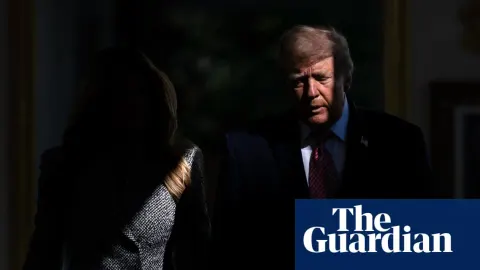
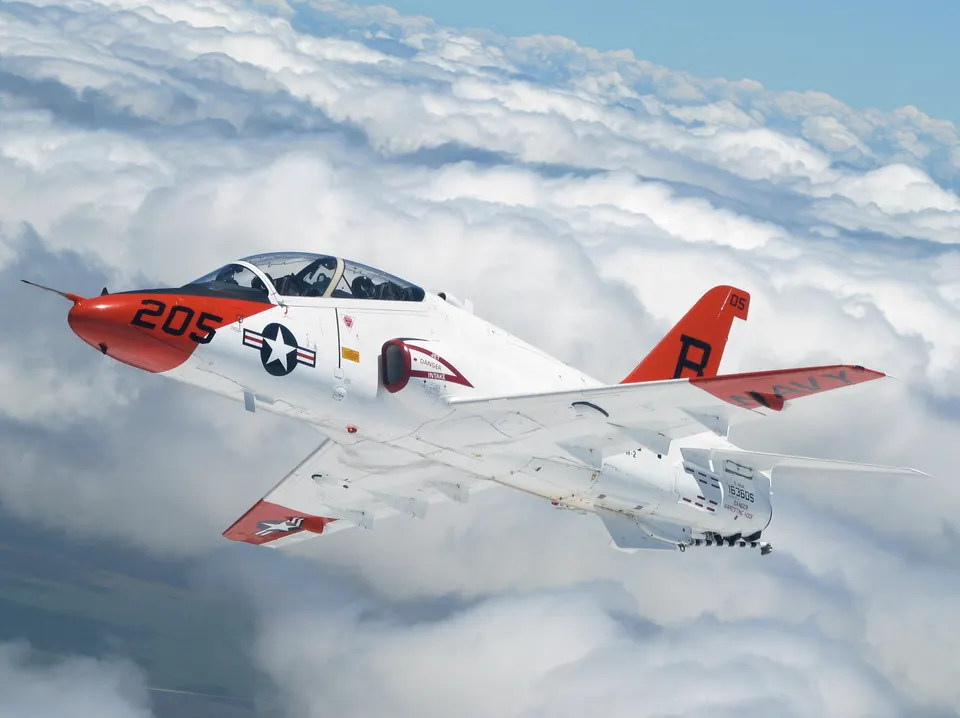
In a move that underscores the immense strain on American military logistics, the US government has reportedly paused a massive $14 billion arms sale to Taiwan. Acting Navy Secretary Hung Cao indicated that the decision is directly linked to the ongoing conflict involving Iran, suggesting that the United States is being forced to prioritize its military resources toward the Middle East. This pivot marks a significant departure from previous strategic assurances given to Taipei and highlights the logistical challenges of maintaining multiple defense fronts simultaneously. For global markets, this signals a potential vacuum in the Indo-Pacific while reinforcing the reality that the Middle Eastern theater is consuming the lion's share of Western military and financial attention.
This development is not merely a delay but a fundamental shift in risk assessment. By halting the transfer of high-tech weaponry to Taiwan, the Trump administration appears to be acknowledging that the "Iran war" has reached a scale that threatens global supply chains and US naval readiness. Investors in defense stocks and those with exposure to East Asian markets are now recalibrating, as the threat of a less-defended Taiwan could embolden other regional actors. The move also suggests that the US may be seeking to conserve its domestic inventory for a potentially longer engagement in the Persian Gulf and surrounding regions, casting a shadow over hopes for a quick resolution to current tensions.
---
Maritime Diplomacy: Iran and Oman Negotiate Strait of Hormuz Payment System
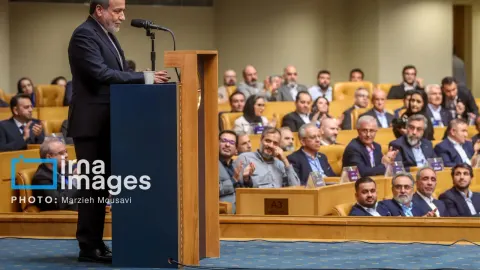
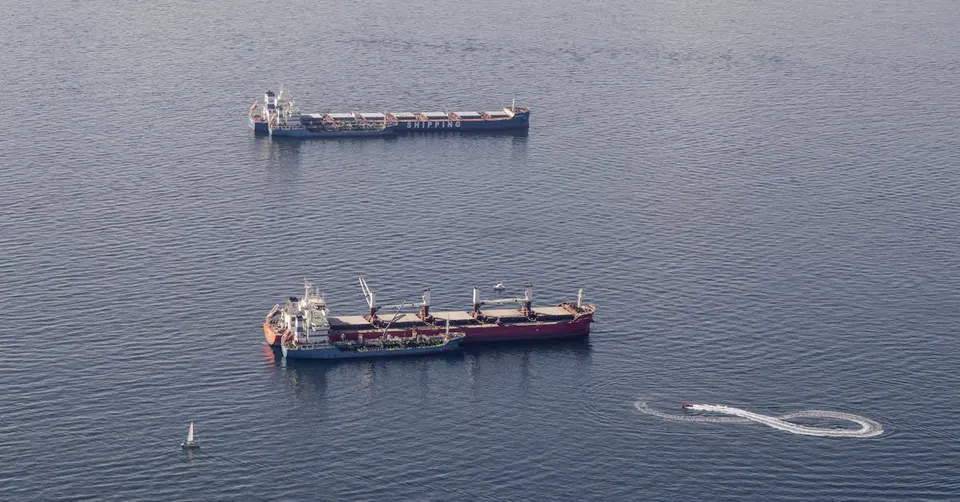
As the war continues to batter the global economy, Iran and Oman have entered high-level discussions to establish a specialized payment system for vessels navigating the Strait of Hormuz. The primary objective of this system is to facilitate trade and ensure the continuity of shipping operations despite the heavy sanctions and the ongoing military friction in the region. According to reports, the system would allow for the settlement of transit fees and maritime services in a way that bypasses traditional Western-dominated financial networks. This move is seen as a strategic attempt by Tehran to formalize its maritime influence while providing a safety valve for international shipping companies that are currently caught in the crossfire of geopolitical sanctions.
However, the initiation of these talks also serves as a grim indicator that a comprehensive diplomatic deal to end the regional war is not on the immediate horizon. By creating a parallel financial infrastructure for the world's most critical oil chokepoint, Iran and Oman are essentially preparing for a long-term "new normal" of contested waters. For the Iranian economy, a successful implementation of this system could provide a much-needed stream of foreign currency and reinforce the role of the Omani Rial as a bridge to global markets. For the international community, it represents a further fragmentation of global trade, as neutral nations like Oman are forced to innovate to prevent total economic stagnation in the region.
---
Domestic Markets: Gold Corrects as USD Holds Steady at 179,500
At 10:00 Tehran time, the domestic currency market shows a rare moment of stability despite the surrounding geopolitical chaos. The US Dollar (USD) sell rate remains unchanged at 179,500 Toman, reflecting a state of cautious equilibrium as traders digest the news of the Taiwan arms pause and the Hormuz negotiations. While the headline figures for the dollar haven't moved, the underlying sentiment remains tense, with the market closely watching for any escalation in the Pasteur Institute incident, which Iranian officials have recently labeled a "war crime." This stability in the exchange rate may be temporary, as any breakdown in the Oman-mediated talks could lead to a sudden spike in demand for hard currency.
In contrast to the flat movement of the dollar, the gold market has experienced a minor correction. The price of 18k gold per gram moved from 19,788,540 to 19,667,343 Toman, representing a 0.6% decrease over the last 24 hours. This dip comes despite the global gold ounce price hovering at a staggering $4,527.40. Analysts suggest that the local correction is likely due to a short-term profit-taking phase by local investors who had hedged heavily into gold during the previous week's escalations. The Emami coin remains static at 192,000,000 Toman, suggesting that while the bullion market is fluctuating, the demand for physical minted coins as a long-term store of value remains resilient among the Iranian public.

---
Global Unrest: From Australian Protests to German Tiger Escapes
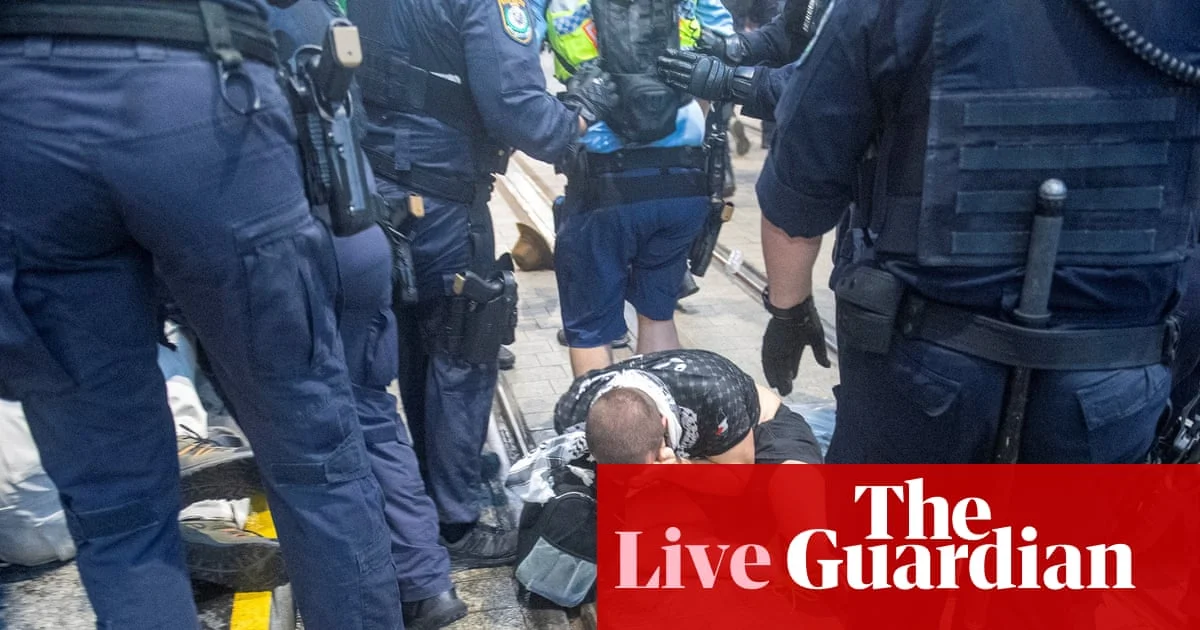
The ripple effects of the Middle Eastern conflict are being felt far beyond the immediate region, as evidenced by a record-breaking 800 complaints filed with the New South Wales police watchdog in Australia. These complaints stem from alleged police brutality during protests against Israeli President Isaac Herzog’s visit to Sydney. The scale of the public outcry in Australia underscores how deeply the "Iran war" and its associated regional conflicts have polarized global society. It demonstrates that domestic political stability in Western nations is increasingly tied to their foreign policy stances, creating a feedback loop where international conflict drives domestic civil unrest.
Meanwhile, in a bizarre turn of events that momentarily captured global attention, a tiger belonging to Germany’s self-proclaimed "Tiger Queen" escaped its enclosure in the town of Schkeuditz, near Leipzig. The incident, which left a keeper seriously injured and resulted in the death of the animal, served as a stark reminder of the fragility of order. While seemingly unrelated to the high-stakes world of oil and missiles, such events often dominate the news cycle during periods of extreme geopolitical stress, providing a brief, albeit tragic, diversion from the grinding reality of global conflict. For the broader public, it highlights a sense of a world increasingly out of balance, where both geopolitical structures and local safety protocols seem to be fraying simultaneously.
Frequently Asked Questions
Why did the US pause the arms sale to Taiwan?
What is the goal of the Iran-Oman payment system for the Strait of Hormuz?
Why did gold prices drop in Tehran while the global price remains high?
Topics
Related Articles