Gabbard Exits as US Intel Chief Amid Iran Policy Rift; Toman Holds Steady Near 179,000
استعفای جنجالی رئیس اطلاعات آمریکا در میانه تنشهای ایران؛ ثبات نسبی دلار در مرز ۱۷۹ هزار تومان
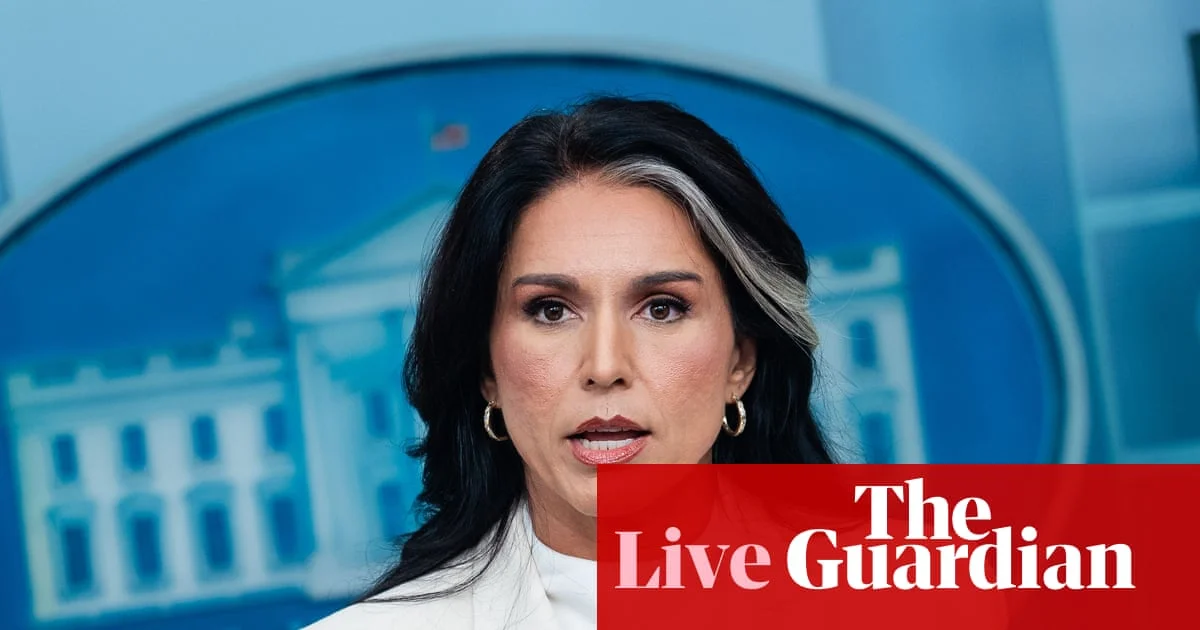
Tulsi Gabbard's sudden resignation as US Director of National Intelligence signals a major shift in Washington's strategy toward Tehran, while oil prices rebound on tempered diplomatic hopes. In local markets, the Toman shows resilience, dipping slightly as gold prices follow a global correction.
At time of publishing
USD
179,000
Toman
Gold 18K
19.65M
Toman / gram
Bitcoin
$75,732
US Dollar
Tether
17,879.791
Toman
The Gabbard Resignation: A Shift in US-Iran Intelligence
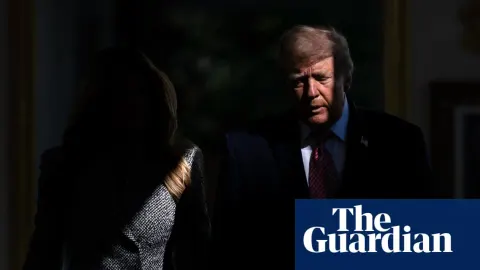
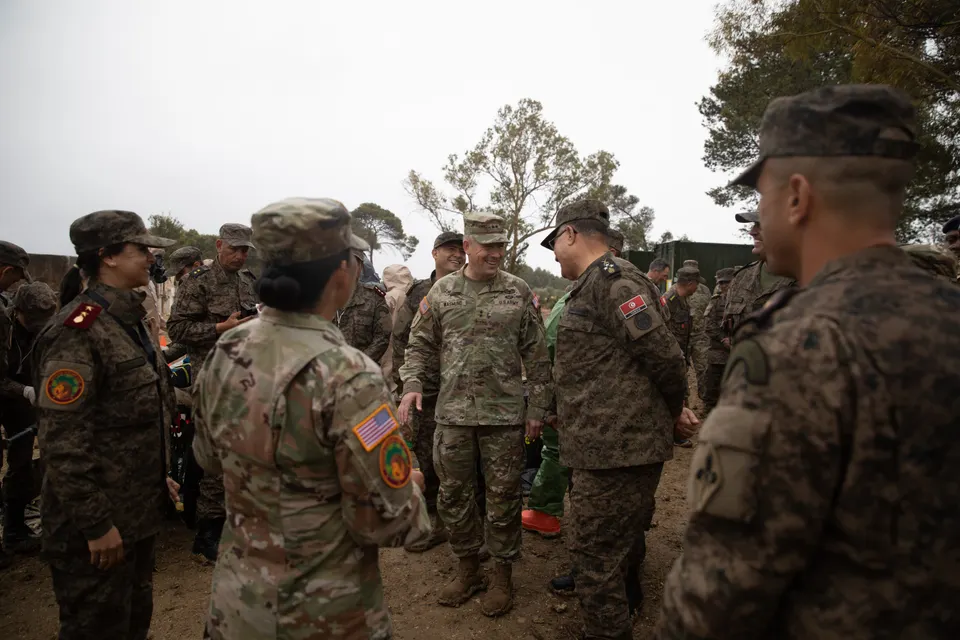
In a move that has sent shockwaves through the Washington intelligence community, Tulsi Gabbard has resigned as the US Director of National Intelligence (DNI). While the official reason cited is a family health crisis—specifically her husband’s diagnosis with a rare bone cancer—the political undercurrents are far more complex. Gabbard had reportedly been sidelined from key operations involving Iran and Venezuela for months. Her public testimony often diverged from President Trump’s more aggressive rhetoric, leading to a visible rift in the administration's national security apparatus. For Iranian observers, this departure is critical; Gabbard was often viewed as a dissenting voice against military escalation, and her exit may pave the way for a more unified, hawkish stance in the White House.
Aaron Lukas has been named as the acting DNI chief, a transition that occurs at a moment of extreme regional sensitivity. The resignation marks the fourth high-level departure from the second Trump cabinet, suggesting a period of internal consolidation or perhaps a purge of those not fully aligned with the current geopolitical trajectory. As the US recalibrates its intelligence leadership, the immediate impact on Tehran is likely to be felt in the hardening of sanctions enforcement and a potential shift in the 'back-channel' communications that Gabbard was allegedly excluded from. This leadership vacuum creates a window of uncertainty that often precedes significant policy shifts.
Regional Mediation and the Hormuz Stalemate
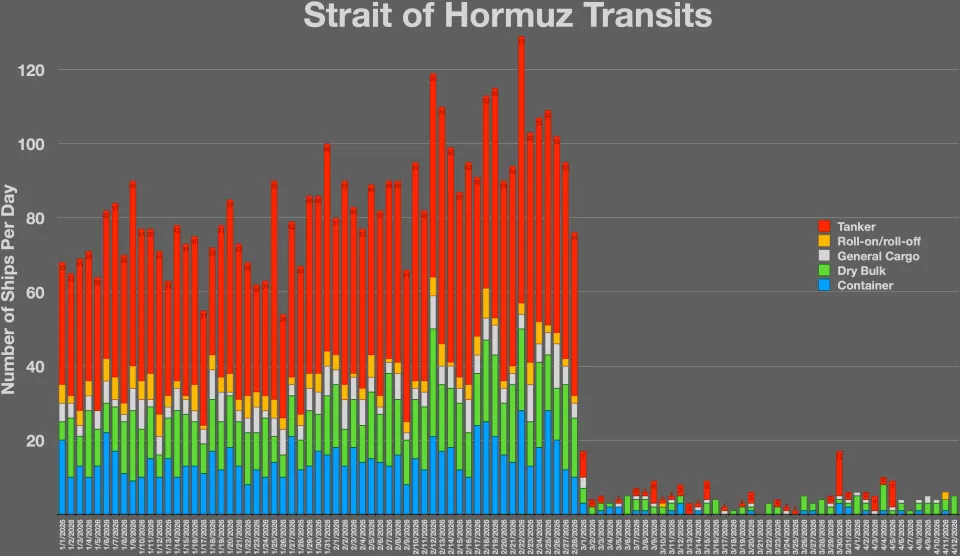
While Washington reshuffles its leadership, regional diplomacy is working overtime. Pakistan’s Army Chief, Asim Munir, arrived in Tehran this Friday as part of a high-stakes mediation effort. This visit comes at a perilous time, as the European Union moves toward new sanctions against Iran in response to the ongoing blockade of the Strait of Hormuz. The mediation attempt is a double-edged sword; while it signals a desire to avoid total conflict, it also highlights the immense pressure being applied by international powers to reopen the world's most vital energy artery. Marco Rubio has noted "slight progress" in talks, but the market remains skeptical of any immediate breakthrough.
This skepticism was reflected in the energy markets today. Oil prices rose as Iran essentially "poured cold water" on hopes for a near-term agreement with the US. Brent crude climbed 0.78% to reach $96.54, reversing a previous selloff. Traders are increasingly realizing that the gap between diplomatic optimism and the reality of the Hormuz blockade remains wide. For the average Iranian citizen, this translates to continued volatility in the cost of imported goods and a persistent "war premium" on the national currency, as the threat of EU sanctions looms over the horizon.
Market Dynamics: Toman Resilience and Gold Correction
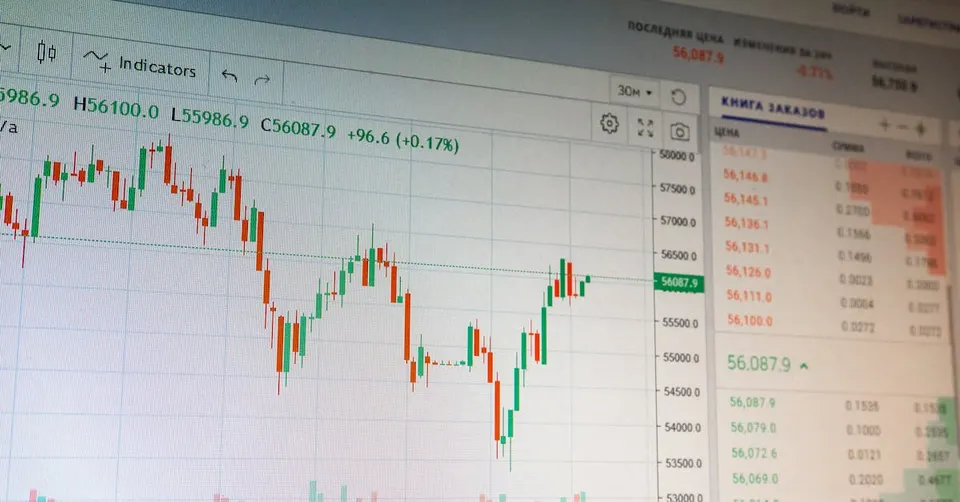
In the domestic theater, the Iranian Toman showed surprising stability despite the geopolitical noise. The USD/IRR rate moved from 179,500 to 179,000, representing a minor decrease of -0.3%. This marginal appreciation suggests that the market has already priced in much of the current tension, or perhaps that the central bank’s intervention strategies are effectively dampening panic buying. Meanwhile, Gold 18k per gram saw a more pronounced correction, falling from 19,788,540 to 19,653,261 Toman (-0.7%), largely mirroring the global trend where the gold ounce is hovering around $4,509.70.
Beyond the physical markets, a new controversy has emerged in the world of prediction markets. US House lawmakers have launched a probe into platforms like Kalshi and Polymarket over allegations of insider trading related to US military actions against Iran. Reports of "suspiciously timed trades" suggest that some participants may have had advanced knowledge of military movements, using that information to profit from geopolitical volatility. This investigation highlights how closely intertwined modern finance and modern warfare have become, with every move in the Persian Gulf now being bet on in real-time by global speculators.
Global Inflation and the Consumer Squeeze
While Iran deals with its unique economic pressures, the rest of the world is not immune to the sting of inflation. As the US prepares for the Memorial Day holiday, consumers are facing a harsh reality: the cost of a simple backyard BBQ has surged, with burger prices up 20% compared to last year. This global inflationary trend is a reminder that the energy crisis sparked by the Hormuz tensions is a global phenomenon. High gas prices are deterring Americans from purchasing big-ticket appliances, leading to a slowdown in the retail sector that could eventually impact global demand for raw materials.
The "toxic cocktail" of high interest rates and rising energy costs is forcing central banks to make impossible choices. In the UK, the hottest day of the year coincided with massive travel delays and surging borrowing costs, further straining the average household budget. For the Iranian reader, this context is vital; it shows that the economic hardships felt at home are part of a broader, interconnected global struggle. Whether it is the price of a coin in Tehran or a burger in Texas, the shadow of geopolitical conflict and energy insecurity is casting a long, expensive shadow over the global economy.
Frequently Asked Questions
Why is Tulsi Gabbard's resignation significant for Iran?
How did the Iranian Toman react to the latest US political news?
What is the status of the Strait of Hormuz mediation efforts?
What are the insider trading allegations in the US regarding Iran?
Understanding the Geopolitical Risk Premium in Oil Markets
Global news headlines, particularly those involving critical regions like the Middle East, frequently hint at a concept known as the geopolitical risk premium in commodity markets, especially oil. This premium represents an additional cost factored into the price of oil due to perceived or actual political instability, conflict, or threats to supply. When headlines mention US-Iran policy rifts, potential blockades of the Strait of Hormuz, or shifts in intelligence policy, traders and investors immediately begin to assess the likelihood of supply disruptions, driving prices higher even if no physical disruption has occurred.
The mechanism behind this premium is rooted in market psychology and supply chain vulnerability. The Strait of Hormuz, for instance, is a narrow chokepoint through which a significant portion of the world's seaborne oil passes daily. Any threat to its passage, whether from military tensions or political maneuvering, prompts buyers to secure supplies or hedge against future shortages. This increased demand for certainty, coupled with speculative buying, directly translates into an upward pressure on oil prices, adding a 'premium' on top of the fundamental supply-and-demand dynamics.
Even when the Iranian Toman appears to hold steady against the USD, as mentioned in the headline, the global oil price (like Brent at $96) still reflects this geopolitical surcharge. This means that while local currency stability might be influenced by domestic policies or market interventions, the cost of a crucial global commodity like oil remains susceptible to international political anxieties. The premium is a direct consequence of the interconnectedness of geopolitics and global energy security, making it a constant, albeit fluctuating, factor in energy markets worldwide.
Understanding this premium is crucial for anyone trying to decipher why oil prices can surge or remain elevated despite stable production levels. It underscores how political events, even those that don't immediately result in physical conflict, have tangible economic consequences felt by consumers and industries globally. It’s a testament to the fact that perceived risk, in the volatile world of international relations, can be as impactful as actual events.
Topics
Related Articles