Pentagon UFO Reveal Sparks Global Frenzy as Qatar Mediators Rush to Tehran for Hormuz Climax
افشای ویدیوهای جدید یوفو توسط پنتاگون همزمان با میانجیگری قطر برای بازگشایی تنگه هرمز
The Pentagon has released a second batch of UFO videos, capturing global attention while Qatar and Pakistan rush to Tehran to save a crumbling US-Iran cease-fire. Meanwhile, Kevin Warsh takes the helm at the Fed as markets hit record highs despite looming energy risks.
At time of publishing
USD
179,600
Toman
Gold 18K
19.68M
Toman / gram
Bitcoin
$76,842
US Dollar
Tether
17,684
Toman
The Pentagon’s ‘UFO’ Distraction and the War Department’s New Narrative
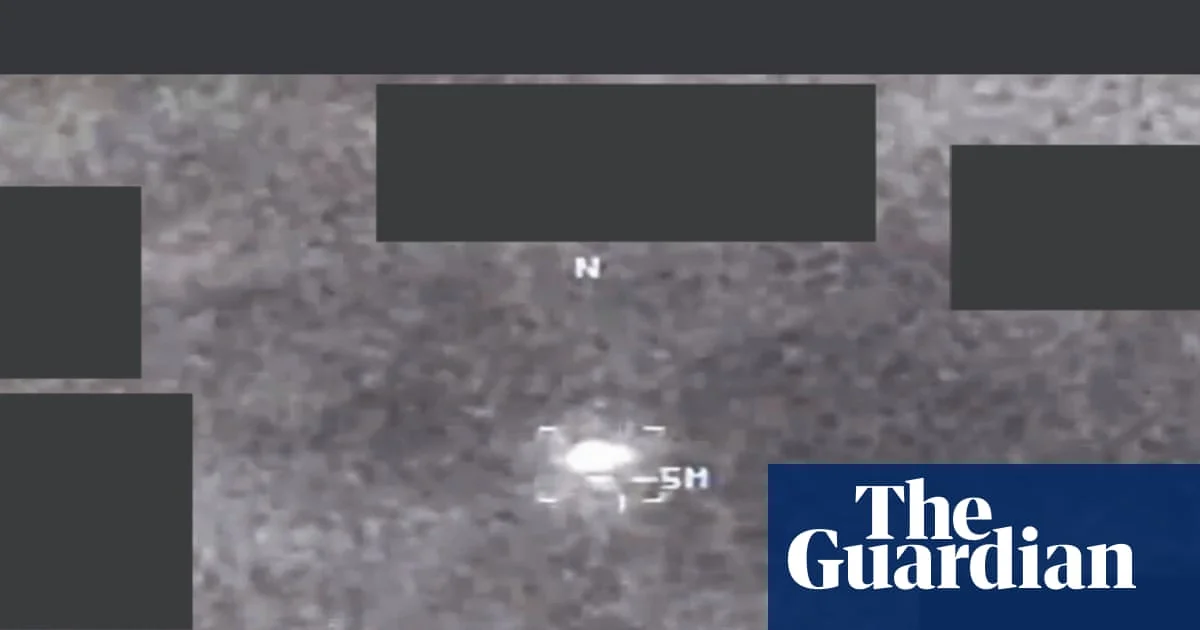
In a move that has dominated global airwaves and digital traffic, the Pentagon—now frequently referred to by the Trump administration as the Department of War—released its second major tranche of unidentified aerial phenomena (UAP) files this Friday. This latest batch includes high-definition thermal imaging and first-hand pilot testimonies that, while stopping short of confirming extraterrestrial life, have effectively captured the world's imagination. The government’s dedicated UAP website reportedly crashed under the weight of over a billion hits, signaling a massive public appetite for transparency on what has long been a fringe topic. This release is being viewed by some analysts as a strategic "ratings winner" for the White House, providing a high-profile narrative shift at a time when domestic economic approval is facing significant headwinds.
For readers in the Middle East and Iran, this surge in UAP interest serves as a peculiar backdrop to much more grounded geopolitical tensions. While the American public is transfixed by grainy footage of "tic-tac" shaped objects, the underlying machinery of the U.S. defense apparatus remains heavily focused on the regional conflict. The timing of such releases often coincides with periods of high diplomatic friction, leading some to speculate that the disclosure is being used to manage the news cycle or project a sense of technological and surveillance superiority that transcends conventional warfare. Regardless of the intent, the sheer volume of data released suggests that the U.S. is moving toward a permanent declassification posture regarding its airspace anomalies.

Qatar and Pakistan Rush to Tehran as Hormuz Crisis Reaches a Climax
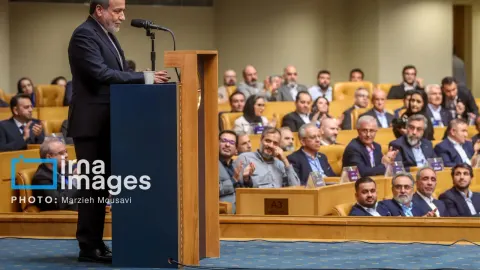
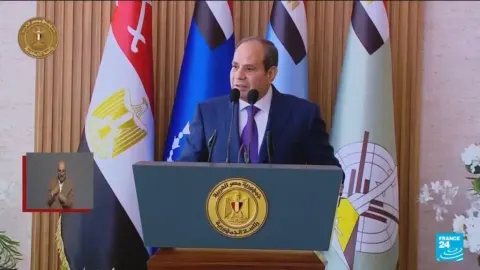
While the skies are filled with unidentified objects, the waters of the Persian Gulf are the site of a much more tangible struggle. Qatar and Pakistan have urgently dispatched high-level mediation teams to Tehran this evening, aiming to salvage a fragile U.S.-Iran cease-fire that appears to be on the verge of collapse. The core of the current dispute revolves around Iran’s threat to impose tolls on shipping passing through the Strait of Hormuz, a move that would fundamentally alter global energy economics. Qatar’s diplomatic push suggests that a memorandum of understanding (MoU) might be within reach, which would potentially delay the contentious U.S. demand for Iran to hand over its highly enriched uranium in exchange for a 30-day cooling-off period and the lifting of certain asset freezes.
In the local markets, the tension is palpable but remarkably controlled. The USD/IRR exchange rate moved slightly from 179,500 to 179,600 (+0.1%), reflecting a "wait-and-see" approach by major currency traders. Meanwhile, Gold 18k per gram saw a minor correction, dropping from 19,788,540 to 19,675,885 (-0.6%), as some investors rotated out of safe-haven assets in anticipation of a diplomatic breakthrough. The success or failure of the Qatari mission in the coming hours will likely dictate whether the Toman remains stable or faces a new wave of volatility. If the Strait is formally reopened without the threat of tolls, we could see a significant "diplomacy discount" applied to the dollar in the coming week.
Kevin Warsh Takes the Fed Reins Amidst a Wall Street Record High
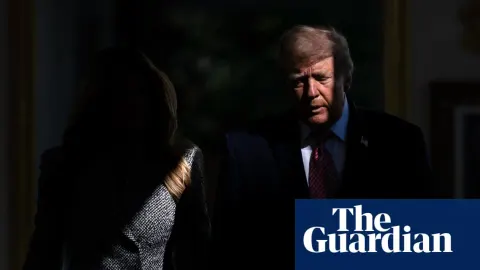
At the White House today, Kevin Warsh was officially sworn in as the new Chair of the Federal Reserve, succeeding Jerome Powell. President Trump, present at the ceremony, emphasized a desire for the central bank to remain "totally independent," while simultaneously noting that the Fed had become "distracted" under previous leadership. Warsh, a former Fed governor with deep Wall Street ties, takes over at a moment of extreme duality: the Dow Jones has hit a new all-time high, yet the broader public remains deeply skeptical of the economy’s direction. Warsh now faces the immediate challenge of balancing the President’s demands for lower interest rates against the reality of climbing prices and a potential energy shock driven by the Iran conflict.
Market analysts are already warning of the "new Fed chair curse," where significant market downturns often greet a change in leadership. With oil prices hovering near $100 per barrel and the EU warning that energy costs will remain elevated through 2027, Warsh’s honeymoon period will be exceptionally short. His first major policy signal will be scrutinized for how he intends to manage the "toxic cocktail" of high inflation and the need to sustain the current bull market. For Iranian observers, Warsh’s approach to the dollar’s strength is critical; a more hawkish Fed could put further upward pressure on the USD/IRR, regardless of local diplomatic successes.
Ebola Outbreak in Congo Triples as WHO Raises Alarm
Away from the financial hubs, a secondary global crisis is brewing in the Democratic Republic of the Congo. The World Health Organization (WHO) reported today that suspected Ebola cases have nearly tripled in a single week, jumping from 246 to 750. The risk level has been upgraded to "very high" within the DRC and "high" for the surrounding region. This rapid spread is being exacerbated by aid cuts and deep-seated community distrust, which have hampered the efforts of medical responders. While the global risk is currently rated as "low," the speed of the transmission is a stark reminder of how quickly biological threats can escalate in the absence of a coordinated international response.

This health crisis adds another layer of complexity to the global geopolitical landscape. As major powers are preoccupied with the Iran conflict and the transition at the Federal Reserve, the resources available for pandemic prevention are being stretched thin. For global markets, a widening Ebola outbreak could eventually impact supply chains for critical minerals sourced from the DRC, such as cobalt, which is essential for the tech and EV industries. Investors should monitor whether this regional outbreak triggers broader travel restrictions or shifts in international aid priorities in the coming month.
Frequently Asked Questions
Why is the Pentagon releasing UFO videos during the Iran crisis?
What is the 'Hormuz Toll' mentioned in the mediation talks?
How did the Tehran markets react to the latest diplomatic moves?
Who is Kevin Warsh and why does his appointment matter for the Toman?
The Strategic Chokepoint: Why the Strait of Hormuz Matters
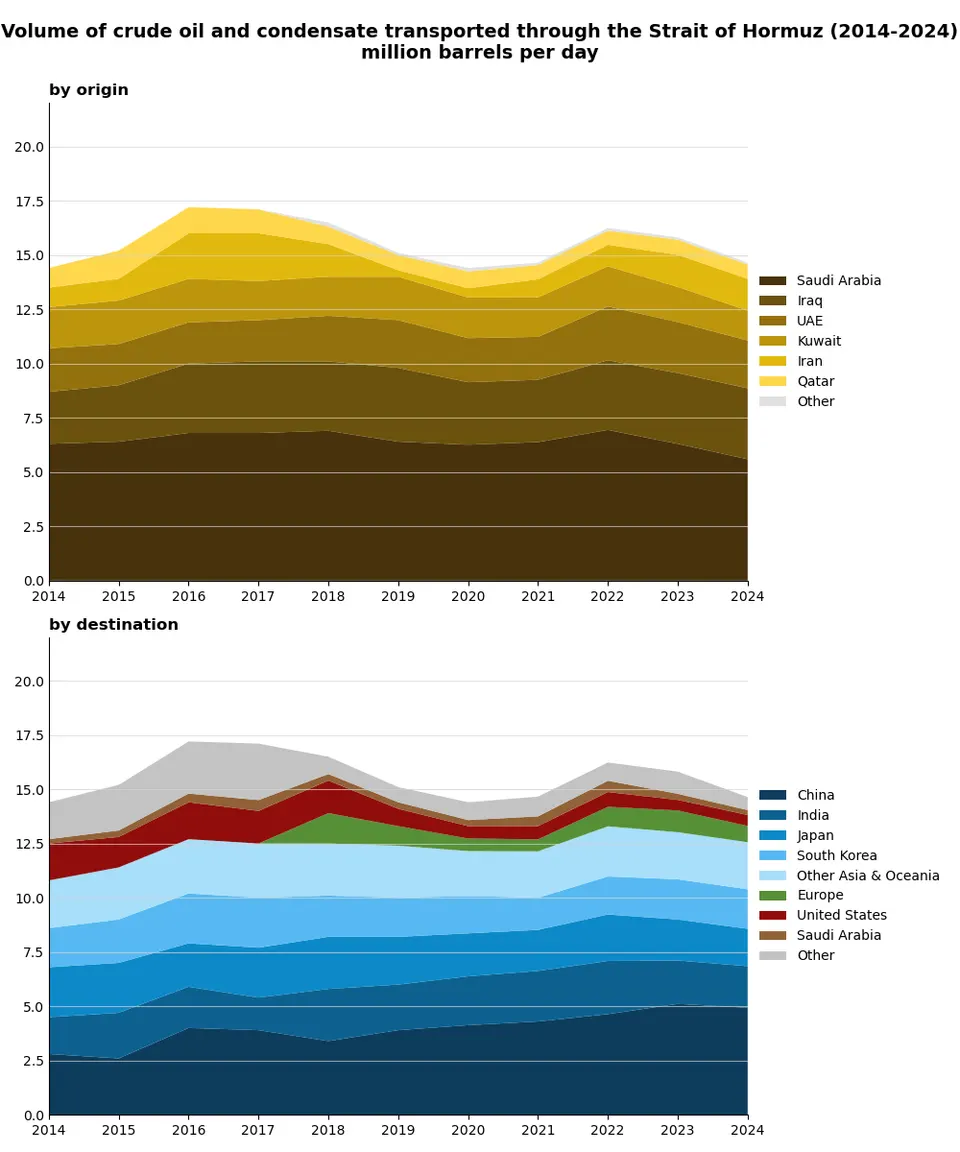
The Strait of Hormuz is a narrow waterway—about 21‑nmi wide at its narrowest point—that links the Persian Gulf with the open ocean. Because more than 20% of the world’s petroleum passes through this corridor each day, it is classified as a global chokepoint: a geographic bottleneck whose disruption can reverberate through international markets, energy security calculations, and even geopolitical alliances.
Historically, the Hormuz corridor has been a flashpoint for regional rivalry. Iran, which controls the northern shore, has repeatedly threatened to close the strait in response to sanctions or perceived aggression, while the United States and its allies have maintained a naval presence to guarantee free passage. Any interruption—whether from a military confrontation, a mined vessel, or a sudden surge in piracy—can spike oil prices, force rerouting of cargo ships, and trigger insurance premiums that affect the cost of goods far beyond the Middle East.
The economic implications extend beyond crude oil. The strait also channels liquefied natural gas (LNG), bulk commodities, and container traffic. A brief closure can shave $1‑2 billion per day from global trade flows, according to the International Energy Agency. Consequently, nations such as Qatar have taken on diplomatic mediator roles, seeking to de‑escalate tensions and keep the waterway open, a pattern that repeats whenever regional disputes flare.
Understanding the Hormuz chokepoint helps explain why seemingly unrelated events—like a gold‑price correction in Tehran or a USD/IRR exchange‑rate swing—can be linked to broader security dynamics. When investors sense heightened risk around the strait, they may flee to safe‑haven assets (gold, the US dollar) or demand higher yields on emerging‑market currencies, amplifying financial volatility worldwide.
In short, the Strait of Hormuz is more than a geographic curiosity; it is a linchpin of the global energy system and a barometer of geopolitical stability. Its status influences oil markets, currency valuations, and diplomatic initiatives across continents, making it a critical concept for anyone following international economics or security today.
Topics
Related Articles