Trump Vows Fed ‘Independence’ as NATO Friction Over Iran Escalates and Travel Costs Surge
وعده «استقلال» فدرال رزرو توسط ترامپ همزمان با تنش در ناتو و جهش هزینههای سفر در آستانه تابستان
President Trump swears in Kevin Warsh as Fed Chair amid promises of autonomy, while Secretary of State Marco Rubio signals a major rift with NATO over the Strait of Hormuz. Meanwhile, global travel costs spike as the summer season kicks off with rising gas prices and tech demand.
At time of publishing
USD
179,600
Toman
Gold 18K
19.65M
Toman / gram
Bitcoin
$76,641
US Dollar
Tether
17,635.1
Toman
The Summer Travel Economy: Tech Deals and Gas Price Pressures
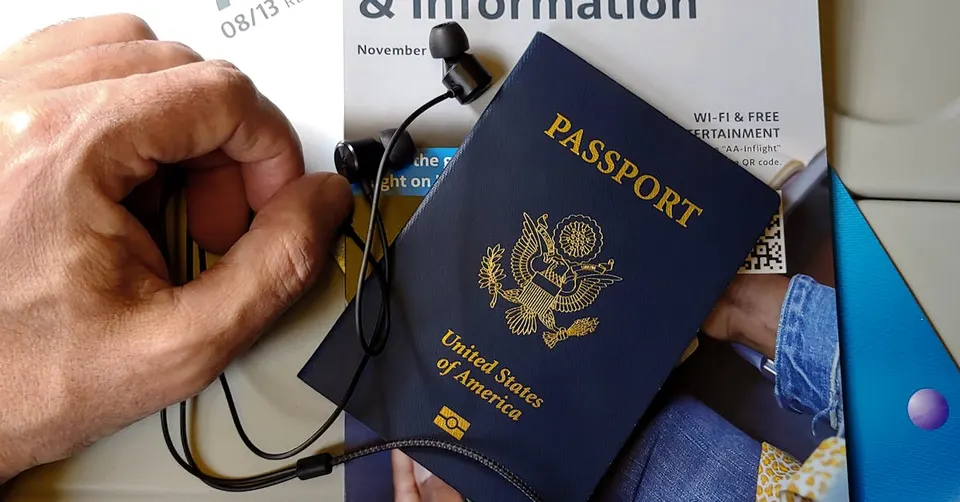
As the Memorial Day weekend kicks off the unofficial start of the summer travel season, consumers are facing a dual reality of opportunistic tech discounts and punishing energy costs. Twelve South’s AirFly Pro 2, a staple for international travelers looking to use wireless headphones with in-flight entertainment, has hit its lowest price point just as demand for travel gadgets peaks. For Iranian travelers and the domestic electronics market, these price shifts in global retail are often a leading indicator of import costs through regional hubs like Dubai and Istanbul. When high-end travel peripherals see significant discounts in the West, it often triggers a wave of parallel imports into the Iranian market, though the benefit is frequently offset by the volatile Toman exchange rate.
However, the convenience of cheaper gadgets is being overshadowed by a massive spike in transportation costs. Americans are currently paying approximately $2 billion more for gasoline this holiday weekend compared to the same period last year. This surge is not merely a domestic US issue; it reflects a tightening global energy market influenced by geopolitical uncertainty in the Middle East. For the Iranian economy, these rising global energy prices create a complex dynamic where the potential for higher export revenue is balanced against the risk of increased global inflation, which eventually trickles back into the cost of imported essential goods.
Trump’s Fed ‘Independence’ and the Future of the Dollar
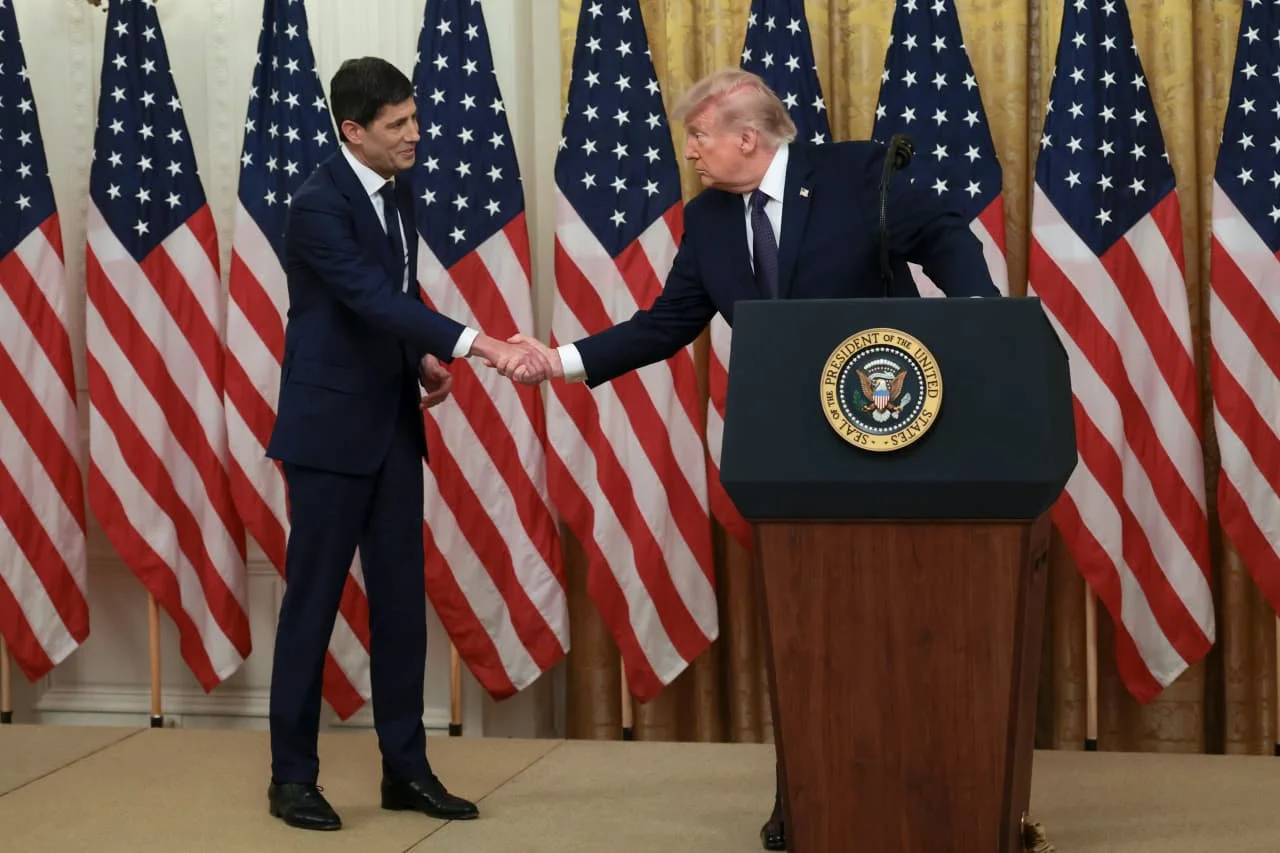
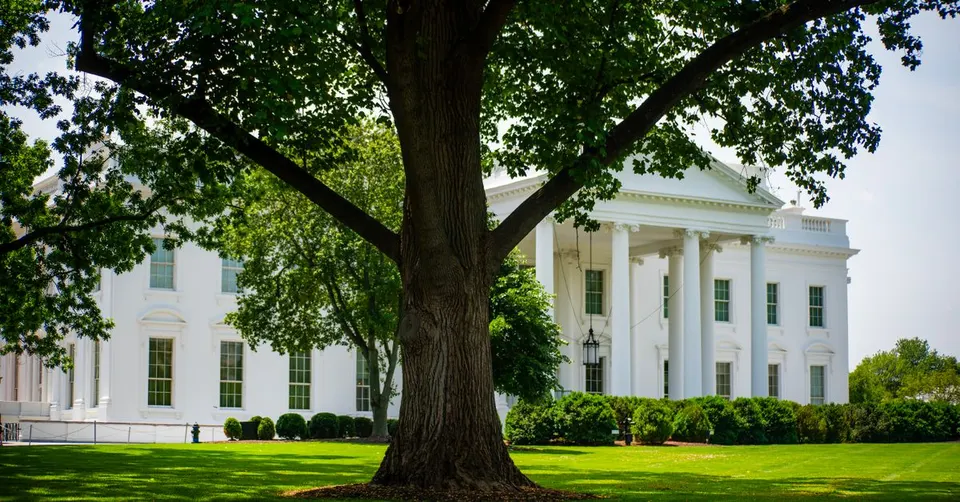
In a highly anticipated ceremony at the White House on Friday, President Donald Trump swore in Kevin Warsh as the new Chair of the Federal Reserve. Trump explicitly stated that he wants the new Fed leadership to be "totally independent," a comment that has been met with skepticism by market analysts given the President's historical tendency to pressure central bankers for lower interest rates. Warsh now faces what many are calling the "Fed Curse"—the historical trend where market downturns often coincide with the appointment of a new central bank leader. His primary challenge will be navigating a path between curbing persistent inflation and maintaining the momentum of a bull market that is increasingly sensitive to interest rate signals.
For the Iranian markets, the direction of the Federal Reserve under Warsh is of critical importance. In the last 24 hours, the USD/IRR rate in Tehran's open market moved from 179,500 to 179,600, a marginal increase of 0.1%. While this move is small, it reflects a broader wait-and-see approach by local traders who are monitoring the US dollar's global strength. If Warsh adopts a hawkish stance to combat inflation, a stronger USD could put further downward pressure on the Toman. Conversely, if the Fed pivots toward rate cuts to satisfy political or market pressures, we may see a temporary reprieve for emerging market currencies and a potential surge in gold prices, which currently sit at 19,653,261 Toman per gram after a 0.7% decline today.
NATO Rifts and the ‘Blatant Aggression’ Narrative in Tehran
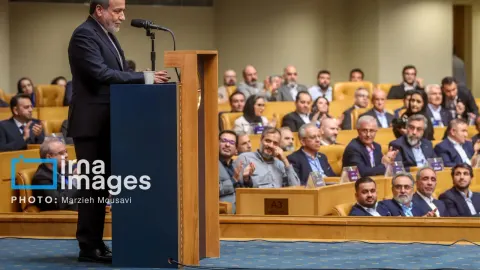
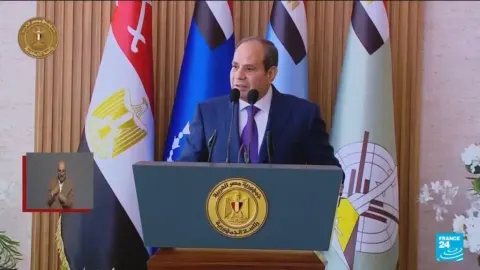
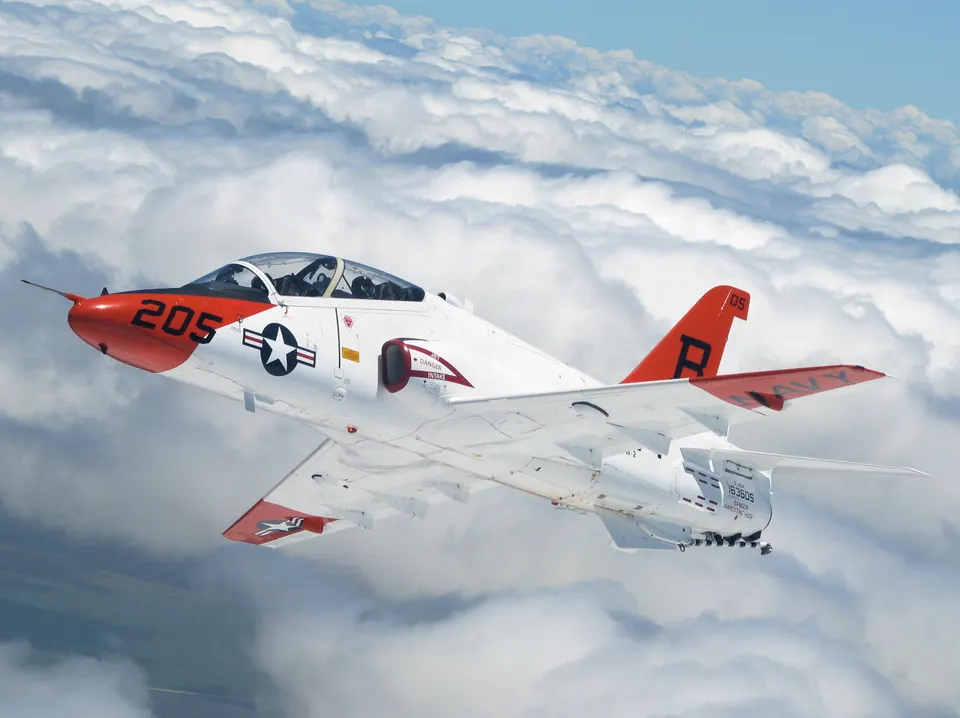
Geopolitical tensions have reached a new boiling point as US Secretary of State Marco Rubio expressed the administration's "disappointment" with NATO allies. According to Rubio, many European partners have refused to take a more active role in military operations or patrols within the Strait of Hormuz, a key maritime artery that the US views as under threat from Iranian influence. This friction is expected to dominate the upcoming NATO summit in Ankara this July. The disagreement signals a potential shift in US foreign policy, where the administration may prioritize unilateral actions or smaller coalitions if traditional alliances like NATO fail to align with Washington's Middle East objectives.
In Tehran, the response has been one of defiance and diplomatic escalation. Foreign Ministry spokesperson Baqaei characterized recent US-Israeli military maneuvers as "blatant acts" of aggression that cannot be downplayed as mere strategic necessities. This rhetoric is coupled with Iran’s formal call for United Nations intervention regarding the US naval blockade on Iranian ports, citing severe human rights risks. As these diplomatic channels tighten, the risk of a miscalculation in the Persian Gulf remains high. For investors, this translates into a "geopolitical premium" on oil and gold, ensuring that volatility remains a permanent fixture of the Iranian financial landscape for the foreseeable future.
Frequently Asked Questions
Why is Kevin Warsh's appointment as Fed Chair significant for the Iranian market?
What is the cause of the friction between the US and NATO regarding the Strait of Hormuz?
How are rising US gasoline prices affecting the global economy in May 2026?
Is the Toman expected to remain stable following the latest geopolitical developments?
The Geopolitical Significance of the Strait of Hormuz
The Strait of Hormuz is a narrow, strategically vital waterway connecting the Persian Gulf with the Arabian Sea and the broader Indian Ocean. For decades, this chokepoint has been recognized as the world's most critical artery for global oil shipments. Approximately one-fifth of the world's total petroleum consumption, including a significant portion of crude oil and liquefied natural gas (LNG), transits through this 21-mile-wide passage daily. Its geographical position, bordered by Iran to the north and Oman to the south, inherently places it at the center of regional and international geopolitical tensions.
Any disruption or threat to the free flow of shipping through the Strait of Hormuz has immediate and far-reaching implications for the global energy market and economy. Historically, during periods of heightened friction, particularly involving Iran, there have been threats to impede or close the Strait. Such actions, even if temporary, would trigger a dramatic surge in crude oil prices worldwide, as supply uncertainty would create panic in commodity markets. This direct impact would manifest as significantly higher gasoline prices for consumers in countries like the United States, increased operational costs for industries, and a potential slowdown in global economic growth.
Beyond the immediate energy shock, a prolonged closure or naval blockade of the Strait of Hormuz would precipitate a major international crisis. It would not only cripple the economies of Gulf oil producers, who rely on the Strait for their exports, but also severely impact oil-importing nations across Asia, Europe, and the Americas. For Iran itself, while a closure might be seen as a leverage point, it would also prevent its own vital oil exports and imports, exacerbating domestic economic woes, including currency depreciation and inflation. Understanding the Strait's role is crucial for grasping how regional conflicts can ripple through global supply chains and financial markets.
Topics
Related Articles