
UK Borrowing Surges Amid Inflation; US Pauses Taiwan Arms Sale Over Iran War
کسری بودجه انگلیس در پی تورم افزایش یافت؛ آمریکا فروش تسلیحات به تایوان را به دلیل جنگ ایران متوقف کرد
The UK's public borrowing in April significantly exceeded forecasts, driven by inflation's impact on benefit costs. Meanwhile, the US has announced a pause on a major weapons sale to Taiwan, citing the ongoing need for munitions in the context of the Iran war.
At time of publishing
USD
179,050
Toman
Gold 18K
19.60M
Toman / gram
Bitcoin
$77,422
US Dollar
Tether
17,794.8
Toman
UK Public Borrowing Surges Amid Inflationary Pressures
In April, the United Kingdom's public sector net borrowing reached £24.3 billion, a figure that significantly surpassed economists' expectations and represented an increase of £4.9 billion compared to the same period last year. This substantial deficit is largely attributed to the persistent inflationary environment, which has driven up the costs associated with government pensions and welfare benefits. The Office for National Statistics (ONS) reported that the mounting expenses, coupled with a £10.3 billion outlay on debt interest, underscore the fiscal challenges facing the UK economy.
The implications for the Iranian economy, while indirect, are notable. Increased borrowing by major Western economies can signal underlying economic fragility, potentially influencing global investor sentiment and currency markets. For Iran, this could translate into heightened caution among international investors, potentially impacting foreign direct investment and access to capital. Furthermore, a struggling UK economy might shift its trade priorities, potentially altering demand for Iranian goods or impacting existing trade relationships. The intertwined nature of global finance means that fiscal pressures in one major economy can ripple outwards, affecting currency valuations and economic policy decisions elsewhere, including in Tehran.

---
US Pauses Taiwan Arms Sale Amid Iran War Demands
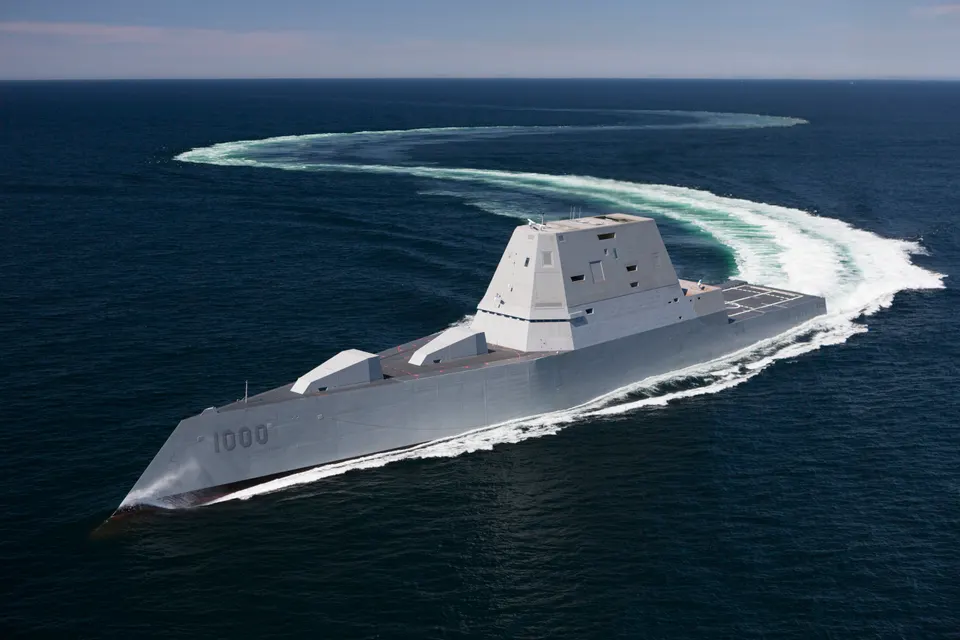
In a significant development impacting geopolitical supply chains, the United States has announced a temporary pause on a $14 billion weapons sale to Taiwan. Acting Navy Chief Hung Cao informed a Senate hearing that the decision was made to ensure adequate munitions are available for the ongoing conflict involving Iran. This strategic reallocation of resources highlights the immediate and pressing demands placed on US military stockpiles by sustained global engagements.
The rationale behind this decision underscores the direct link between regional conflicts and global arms availability. For Taiwan, this pause could delay critical defense upgrades and potentially alter its strategic calculus in the face of regional tensions. For Iran, while this may not directly alter the immediate battlefield dynamics, it signals the significant military resources the US is dedicating to the conflict. This development also has broader implications for the global defense industry, potentially leading to shifts in production priorities and delivery schedules for allied nations. The move by the US reflects a pragmatic, albeit potentially concerning, prioritization of immediate wartime needs over long-term strategic partnerships, a dynamic that could reshape defense procurement strategies worldwide.
---
Tanzania Official Sanctioned by US Over Torture Allegations
The United States has imposed sanctions on a Tanzanian police official, citing allegations of torture against human rights activists. This action, detailed by the BBC, places a spotlight on Tanzania's human rights record, which has faced increasing international scrutiny in recent years. The sanctions are part of a broader US foreign policy strategy aimed at holding individuals accountable for human rights abuses.
While seemingly a localized event, such sanctions can have a broader impact on investor confidence and international relations. For countries like Iran, which also faces international sanctions, this serves as a reminder of the potential consequences of human rights violations and their impact on foreign policy and economic engagement. The US use of targeted sanctions can influence bilateral relations, potentially affecting trade, investment, and diplomatic cooperation. It also signals a commitment by the US to enforce international norms, which can create a more cautious environment for businesses and governments operating in regions where such concerns are prevalent. This situation highlights how geopolitical decisions, even those focused on specific human rights issues, can contribute to a broader global climate of regulatory and political risk.

Frequently Asked Questions
What is the current exchange rate for USD to IRR?
Why did the US pause the weapons sale to Taiwan?
What was the UK's borrowing figure for April?
What are the implications of UK's increased borrowing for Iran?
What led to the sanctions on the Tanzanian police official?
Geopolitical Risk Premium and Its Impact on Sovereign Borrowing
When a country needs to raise money, it typically issues sovereign bonds that investors buy. The interest rate—or yield—on these bonds reflects not only the nation's fiscal health and inflation outlook, but also the perceived geopolitical risk. Events such as wars, sanctions, or heightened tensions (like the Iran‑Israel conflict or disputes over Taiwan) can cause investors to demand a higher risk premium to compensate for the uncertainty of repayment or potential policy changes.
The risk premium is added to the baseline rate that would apply in a stable environment. For the United Kingdom, soaring inflation has already pushed up borrowing costs because investors expect higher real rates to preserve purchasing power. If geopolitical tensions rise—say, through U.S. sanctions that disrupt arms sales or broader regional instability—the premium can climb further, making each pound of debt more expensive. This is why we see borrowing surges: governments must issue more bonds at higher yields to fund deficits, which can exacerbate fiscal pressures.
In the United States, the decision to pause an arms sale to Taiwan over concerns about the Iran war illustrates how geopolitical calculations can directly affect trade and defense policy. Such moves signal to markets that political risk is being managed, but they also highlight that sanctions and diplomatic considerations can reshape the flow of capital and technology. Investors watch these signals closely; any perceived escalation can translate into higher spreads on U.S. Treasury equivalents for allied nations.
Understanding the geopolitical risk premium helps explain why seemingly unrelated events—UK inflation, U.S. arms sales, and regional wars—can all converge to influence sovereign borrowing costs. Policymakers must balance domestic economic goals with external risk management, because higher borrowing costs can limit fiscal flexibility and slow economic recovery.
For a deeper dive, see the International Monetary Fund’s discussion of sovereign risk pricing, the World Bank’s data on bond yields, and academic analyses of how wars affect financial markets.
Topics
Related Articles