US Pauses $14bn Taiwan Arms Sale Due to Iran War as NATO Braces for Trump’s Strategic Pivot
تعلیق فروش ۱۴ میلیارد دلاری سلاح به تایوان به دلیل جنگ ایران؛ بحران در ناتو با چرخش ترامپ
The US Navy has confirmed a pause in major arms sales to Taiwan to prioritize munitions for the conflict with Iran, while NATO ministers gather in Ankara to address shifting American alliances. In Tehran, markets remain cautious with a slight dip in USD and gold prices.
At time of publishing
USD
179,200
Toman
Gold 18K
19.63M
Toman / gram
Bitcoin
$77,409
US Dollar
Tether
17,909.076
Toman
The Strategic Pivot: Taiwan Munitions Diverted to Iran Front
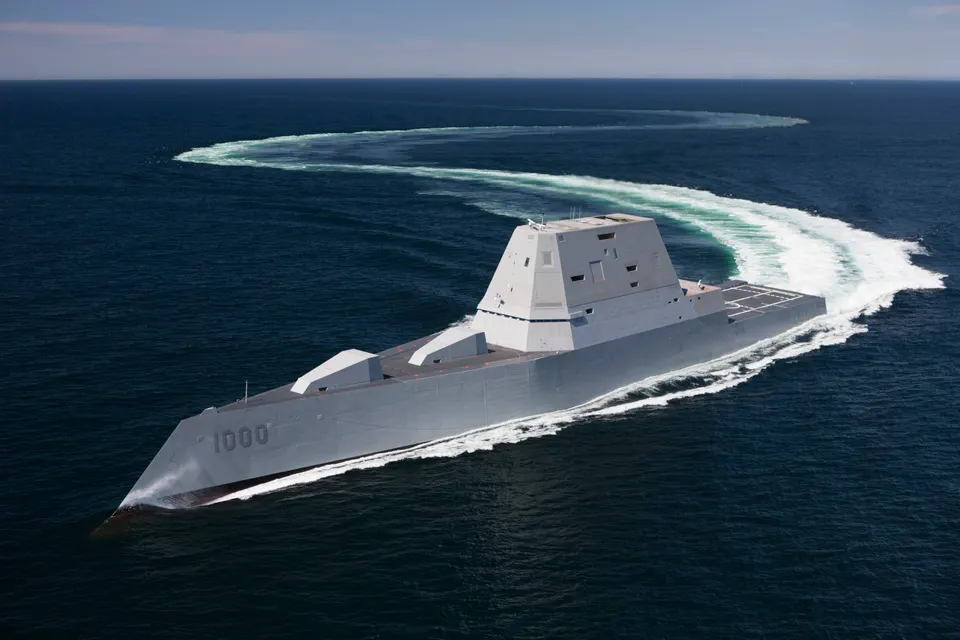
In a significant admission of the strain on American military resources, US Navy Chief Hung Cao informed a Senate hearing that a planned $14 billion arms sale to Taiwan has been effectively paused. The decision stems from the urgent need to stockpile and deploy munitions for the ongoing conflict with Iran. This shift highlights a critical reality for global defense: the United States is currently unable to maintain its 'dual-theater' readiness, forcing a choice between its long-term Pacific deterrent and immediate Middle Eastern combat requirements. For regional observers, this confirms that the scale of the Iran conflict is draining Western stockpiles faster than anticipated.
This development carries heavy implications for the geopolitical balance in Asia. While Taiwan has long been the centerpiece of US strategy in the East, the prioritization of the Iran war suggests that the Middle Eastern theater has become the primary sink for high-tech weaponry. This 'munitions gap' could embolden other regional actors and has already sparked debate in Washington regarding the sustainability of current engagement levels. For the Iranian economy, this means the pressure is not merely rhetorical but backed by a massive reallocation of Western military capital, which continues to influence risk premiums in the local Rial market.
NATO’s Ankara Crisis and the Trump Factor
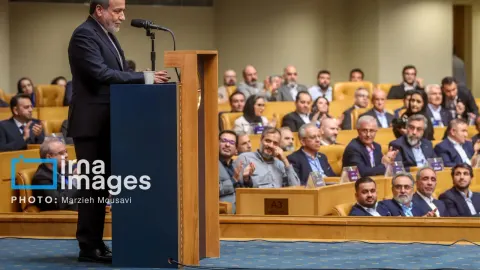
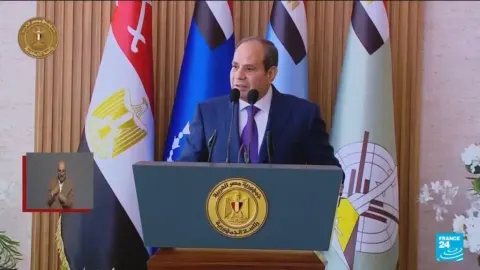
As the military alliance’s foreign ministers meet in Ankara, the atmosphere is far from celebratory. The meeting is dominated by the need to navigate a rapidly shifting partnership with the United States, following Donald Trump’s recent declaration that he would deploy 5,000 troops to Poland—a move that has bypassed traditional NATO consultative channels. The alliance is now forced to respond to Trump’s vocal 'disappointment' regarding the European response to Middle Eastern operations. This internal friction is no longer just a diplomatic spat; it is a structural threat to the cohesion of Western security architecture at a time when the war with Iran is testing every logistical link.
Simultaneously, domestic politics in the UK have mirrored this volatility. The Green Party’s candidate for Makerfield, Chris Kennedy, was forced to withdraw after sharing 'false flag' theories regarding attacks on Jewish ambulances. This incident underscores how deeply the regional conflict has permeated Western social and political fabrics, leading to a zero-tolerance environment for inflammatory rhetoric. For investors, this domestic instability in Europe and the UK adds another layer of uncertainty, often driving capital toward safe havens like the US Dollar or Gold, though the latter has seen a minor correction in the last 24 hours.
Tehran Market Snapshot: Minor Corrections Amid Global Shifts
The Tehran market opened the hour with a slight downward trend in key assets. The US Dollar (USD/IRR) moved from 179,500 to 179,200, representing a -0.2% decrease. This minor cooling comes as the market digests the news of US military reallocations and the ongoing diplomatic maneuvers in the region. Gold 18k per gram also saw a more pronounced dip, falling from 19,788,540 to 19,628,099 Toman (-0.8%). Despite the geopolitical heat, the 'Emami' coin remained static at 192,000,000 Toman, suggesting that while liquid currency is fluctuating, the demand for physical hedges remains at a high-level plateau.

Beyond the local currency, the energy sector is showing signs of a major realignment. Saudi Arabia is reportedly losing its grip on Asian oil buyers, with China cutting its Saudi crude intake by nearly half for the coming month. This shift is partly due to the 'Achilles heel' of the global economy—the hyperconnected logistical hubs of the Gulf—being under constant threat. As Iran continues its strategic pressure, the diversion of trade routes and the search for cheaper, more reliable alternatives by Asian giants like India and China are reshaping the oil market's DNA. This energy volatility is a primary driver for the Rial’s sensitivity, as any disruption in regional shipping directly impacts Iran's fiscal outlook.
Crypto and Tech: BTC Volatility Hits 7-Month Low
In the digital asset space, Bitcoin (BTC) is trading at $77,409, showing a picture of uncharacteristic calm despite the macro risks. Implied volatility for the world's largest cryptocurrency has dropped to a 7-month low, suggesting that traders are in a 'wait-and-see' mode regarding the next escalation or de-escalation in the Middle East. While BTC remains steady, there is a visible rotation into other tokens; XRP-linked funds are seeing fresh inflows as traders trim their exposure to the larger assets. This suggests that the crypto market is looking for idiosyncratic growth stories rather than betting on a broad market surge.
On the technical side, the recovery of 4,052 ETH from the Verus bridge exploiter provides a rare piece of positive news in the security domain. The return of $8.5 million worth of assets after a bounty agreement highlights a maturing, if still fragile, ecosystem for decentralized finance. For Iranian users who rely on stablecoins like Tether (USDT)—currently trading at 17,909 Toman—this stability in the broader crypto market offers a necessary reprieve from the high-speed fluctuations of the domestic forex market.
Frequently Asked Questions
Why did the US pause the arms sale to Taiwan?
How is the Tehran market responding to these geopolitical shifts?
What is the 'Achilles heel' strategy mentioned in recent reports?
Why is Saudi Arabia's oil export to China decreasing?
Understanding Defense Industrial Base Capacity and Strategic Prioritization
The headline about the US pausing an arms sale to Taiwan due to an "Iran War" highlights a critical concept in national security and economics: Defense Industrial Base Capacity and Strategic Prioritization. This refers to a nation's ability to produce military equipment, weapons, and munitions, and the subsequent difficult choices made when global demand or active conflicts strain that capacity. Every country's defense industry has a finite output, influenced by factors like manufacturing infrastructure, skilled labor, raw material availability, and technological readiness.
When multiple geopolitical hotspots flare up simultaneously, or a major conflict demands a rapid and sustained supply of specific munitions, a nation's defense industrial base can quickly become overstretched. The scenario described in the headline suggests that the ongoing or potential "Iran War" is consuming a significant portion of the US defense industry's output, particularly certain types of munitions. This creates a dilemma: how to allocate limited resources effectively to meet immediate wartime needs while simultaneously upholding commitments to allies and maintaining a credible deterrent elsewhere.
Consequently, strategic prioritization comes into play. If critical munitions are urgently needed for an active conflict, decisions may be made to divert existing stockpiles or re-route production lines away from planned sales to other allies. The pause in the Taiwan arms sale is a direct manifestation of this. Taiwan, a key strategic partner, relies on US arms for its self-defense, but the exigencies of another conflict might force a temporary reordering of priorities, impacting delivery schedules and potentially altering strategic calculations for all parties involved.
This concept extends beyond immediate crises, influencing long-term defense planning, alliance management, and economic policy. Nations must continually assess and invest in their defense industrial base to ensure resilience and responsiveness. The ability to quickly scale up production, innovate, and maintain robust supply chains is paramount for national security, determining a country's capacity to project power, support allies, and defend its interests in an increasingly complex and interconnected world.
Topics
Related Articles