Trump AI Order Postponed Amid China Concerns; Iran Diplomacy Collides With Hormuz Fears
ترامپ دستور هوش مصنوعی را به دلیل نگرانیهای چین به تعویق انداخت؛ دیپلماسی ایران با ترس از تنگه هرمز برخورد کرد
President Trump has postponed an executive order on AI development due to concerns about competing with China. Meanwhile, diplomatic efforts to de-escalate tensions in the Persian Gulf are facing headwinds as fears over the Strait of Hormuz persist, impacting oil markets.
At time of publishing
USD
179,300
Toman
Gold 18K
19.59M
Toman / gram
Bitcoin
$77,244
US Dollar
Tether
17,731.7
Toman
Trump Delays AI Executive Order Over China Competition
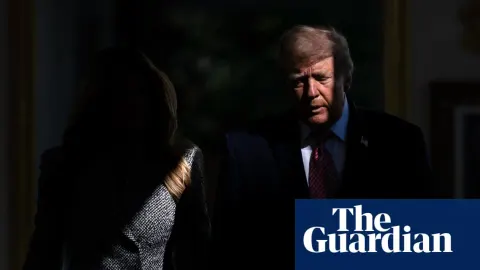
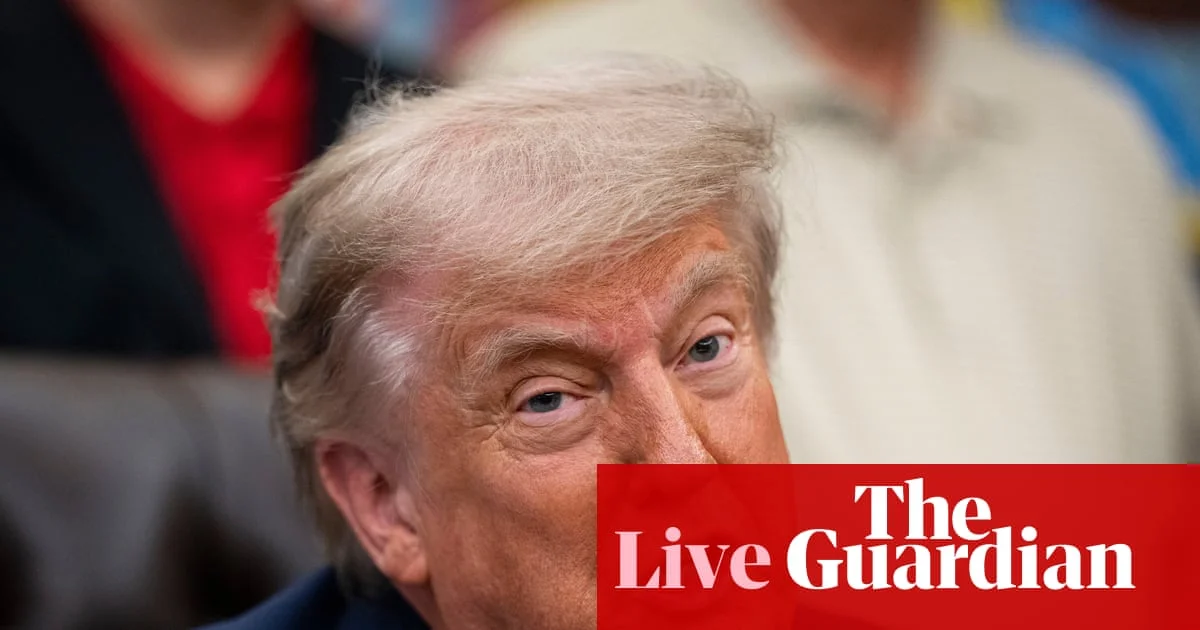
President Donald Trump has announced a postponement of a planned executive order focused on Artificial Intelligence (AI) development. The decision, reportedly stemming from concerns that such an order might hinder US tech firms in their competition with China, signals a strategic recalibration in Washington's approach to emerging technologies. This move comes as the US seeks to maintain its technological edge globally, particularly against a rising China, and suggests that trade and geopolitical considerations are heavily influencing domestic policy.
The implications for the US tech sector are significant. Postponing regulations or directives on AI could provide immediate relief to companies eager to innovate and deploy new technologies without immediate governmental constraints. However, it also leaves a degree of uncertainty regarding the long-term regulatory landscape. For countries like Iran, this geopolitical maneuvering by the US underscores the complex global dynamics that can indirectly affect trade, investment, and technological access, potentially creating ripple effects through international supply chains and economic partnerships.

---
Hormuz Diplomacy Faces Volatility Amidst Lingering Fears
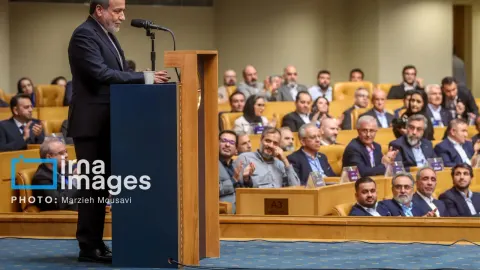
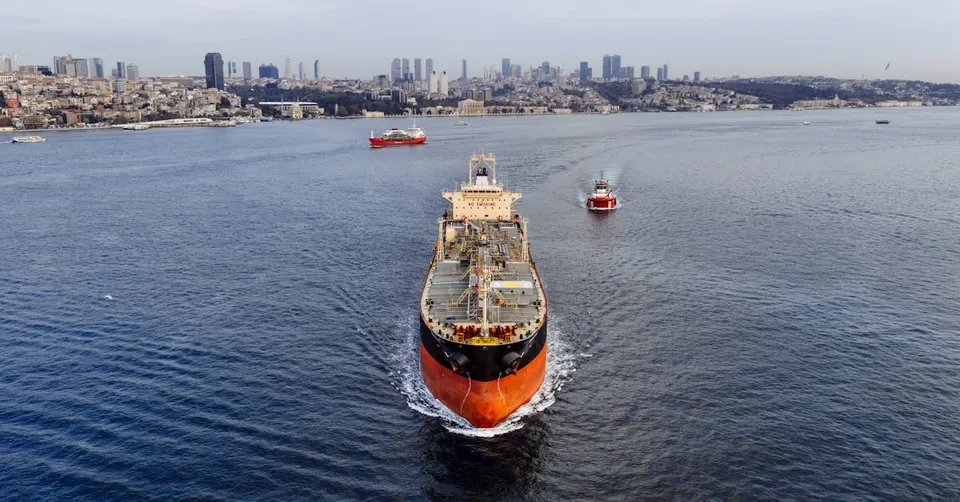
Diplomatic efforts aimed at easing tensions between the United States and Iran are currently facing significant headwinds, particularly concerning the strategic Strait of Hormuz. While there have been hopes of a diplomatic breakthrough, these are being tempered by persistent fears of supply disruptions in the crucial waterway. This delicate balance between potential de-escalation and ongoing anxieties has created considerable volatility in the oil markets, as traders react to every piece of news, repricing geopolitical risk.
The conflict's impact on energy markets is direct and profound. Recent price action in WTI crude oil demonstrates this sensitivity, with sharp increases driven by supply disruption fears followed by rapid adjustments on optimism for a diplomatic resolution. For Iran, maintaining stability and freedom of navigation in the Strait of Hormuz is paramount to its economic interests, especially concerning oil exports. The ongoing diplomatic dance, therefore, has direct consequences not only for regional security but also for global energy prices, influencing inflation expectations and the broader economic outlook for nations reliant on oil imports.
---
Standard Chartered CEO Apologizes for AI-Related 'Human Capital' Remarks
Bill Winters, the CEO of Standard Chartered, has issued an apology following controversial remarks where he referred to some employees facing job cuts due to AI implementation as "lower-value human capital." This statement has drawn significant backlash, especially as the London-headquartered bank plans to eliminate approximately 7,800 back-office roles, largely attributed to the integration of artificial intelligence. The incident highlights the growing tension between technological advancement and workforce management in the financial sector.
The apology underscores the sensitive nature of workforce reductions driven by automation and AI. While banks and other corporations increasingly leverage AI for efficiency and cost-saving, the human element of these transitions is critical. For employees and the broader public, such language can foster distrust and anxiety about job security in an era of rapid technological change. This event serves as a stark reminder for business leaders to navigate the complexities of AI adoption with greater empathy and strategic communication, ensuring that the benefits of technology do not come at the expense of employee morale and public perception.

---
Uranium and Hormuz Control Remain Key Sticking Points in US-Iran Talks
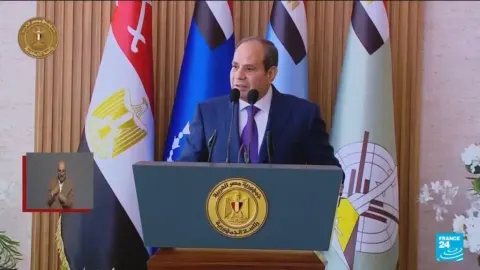
Negotiations to end the prolonged period of tension and potential conflict between the United States and Iran continue, with key sticking points revolving around uranium enrichment and control over the Strait of Hormuz. Pakistani mediators are reportedly optimistic about reaching a permanent ceasefire, yet significant disagreements persist, highlighting the complex geopolitical landscape.
The demand for Iran to export its stockpile of highly enriched uranium, coupled with future control arrangements for the Strait of Hormuz, presents substantial hurdles. Both Iran and Israel harbor concerns about potential surprise attacks, adding another layer of complexity to the already fraught discussions. The US President's insistence that military action remains an option further complicates the diplomatic path. These issues are critical for regional stability and have direct implications for global energy markets and international security, impacting currency valuations and investor confidence worldwide.
Watch
Why is Trump pulling the plug on his AI Order? | DW News
DW News
Frequently Asked Questions
What is the immediate impact of Trump's AI order postponement on US tech companies?
How are tensions around the Strait of Hormuz affecting global oil prices?
Why did the Standard Chartered CEO apologize?
What are the main obstacles in the US-Iran talks?
Understanding Geopolitics: Power, Place, and Global Impact
Geopolitics is the study of how geography, economics, and demographics influence international relations and the exercise of power. Far from being just about maps and borders, it examines how physical space—from strategic waterways to resource-rich territories—shapes political strategies, conflicts, and alliances on a global scale. It's about understanding that a nation's location, its access to resources, and its control over key trade routes are fundamental determinants of its influence and security in the world.
The headline vividly illustrates geopolitics in action through two distinct yet interconnected scenarios. The postponement of a U.S. AI order amid China concerns highlights the intense geopolitical rivalry between the two superpowers over technological dominance. In the 21st century, control over cutting-edge technologies like artificial intelligence is seen as a new form of strategic territory, crucial for economic prosperity, military superiority, and global leadership. This competition reflects a broader struggle for influence, where technological prowess directly translates into geopolitical power.
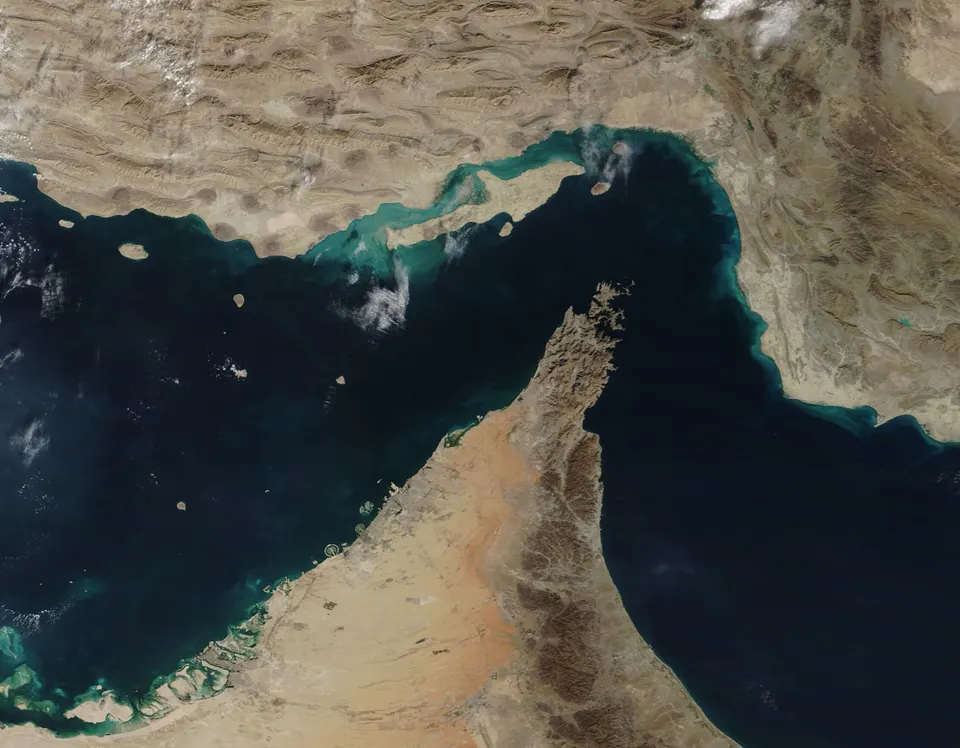
Simultaneously, the mention of Iran diplomacy colliding with Hormuz fears underscores a classic geopolitical flashpoint: the Strait of Hormuz. This narrow waterway, situated between Iran and Oman, is a critical maritime chokepoint through which a significant portion of the world's oil supply passes daily. Iran's geographical proximity and strategic position give it potential leverage over global energy markets, making any instability or threat to shipping in the strait a matter of international concern. The interplay of Iran's regional ambitions, global energy security, and the physical geography of the strait is a quintessential geopolitical dynamic.
Ultimately, understanding geopolitics helps us connect seemingly disparate global events. It reveals how a nation's pursuit of technological advantage in one part of the world (U.S.-China AI) and its strategic maneuvering around vital energy routes in another (Iran-Hormuz) are both driven by underlying calculations of power, security, and economic interest. These considerations shape foreign policy, drive international alliances, and often dictate the ebb and flow of global stability and conflict.
Topics
Related Articles