Trump’s NATO Ultimatum: Rubio Signals Middle East Friction as Warsh Takes Fed Reins Amid Market 'Toxic Cocktail'
ضربالاجل ترامپ به ناتو: فشار رابیو برای همراهی در خاورمیانه و آغاز به کار وارش در فدرال رزرو
NATO allies face a diplomatic crisis as US Secretary of State Marco Rubio voices President Trump's 'disappointment' over their lack of support in Middle East operations. Meanwhile, Kevin Warsh is sworn in as Fed Chair at the White House, signaling a shift in monetary policy while markets brace for a potential 15% stock correction.
At time of publishing
USD
179,600
Toman
Gold 18K
19.66M
Toman / gram
Bitcoin
$77,134
US Dollar
Tether
17,696.5
Toman
The NATO Fracture: Trump Demands Alliance Support for Middle East Operations
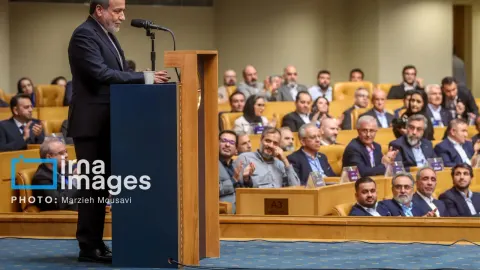
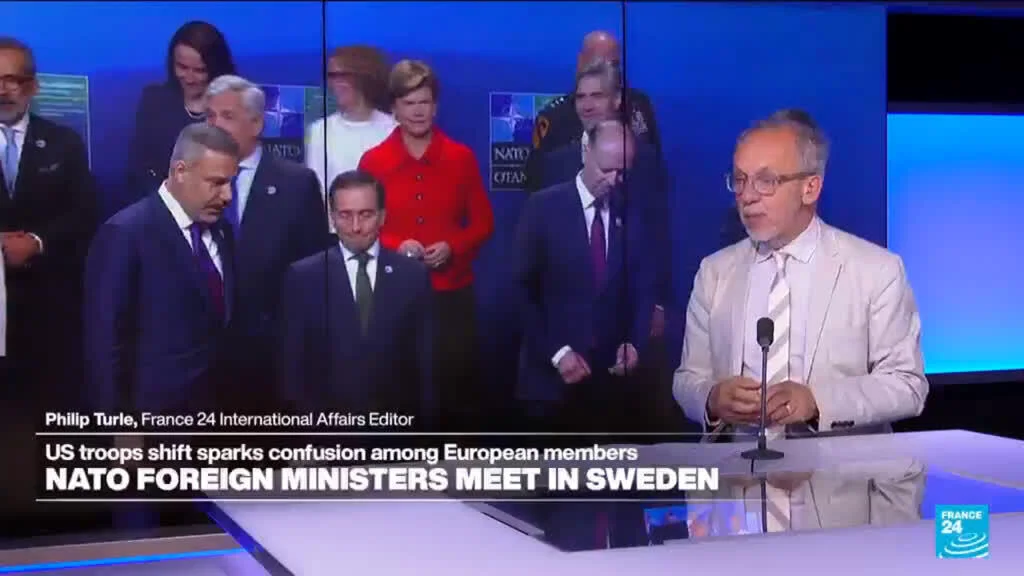
In a tense gathering in Helsingborg, Sweden, NATO foreign ministers were met with a blunt message from US Secretary of State Marco Rubio. The meeting, intended to coordinate defense strategies, quickly pivoted to President Donald Trump’s growing "disappointment" with the alliance's hesitation to fully back US operations in the Middle East. Rubio emphasized that the upcoming Ankara summit will be a historical turning point where leaders must address this friction. The confusion was further amplified by Trump’s sudden reversal on troop deployments; after initially calling off a plan to send 5,000 soldiers to Poland, the administration has now reinstated the move, leaving European allies scrambling to understand Washington’s long-term strategic pivot.
For Iranian observers and regional markets, this shift is critical. The US is clearly signaling that its military commitment to Europe is now conditional on European support for its containment strategy in the Middle East. This "quid pro quo" approach to NATO security suggests that the geopolitical pressure on Tehran will not remain a purely bilateral US-Iran issue but will be pushed onto the global stage. As the US moves troops like chess pieces to signal its ire or approval, the volatility in the Toman reflects the market's anxiety over a potential escalation. The USD in Tehran rose slightly from 179,500 to 179,600 (+0.1%), a modest move that belies the underlying tension as traders wait for the next move from the White House.

A New Era at the Fed: Kevin Warsh Sworn In Amid Inflationary Fears
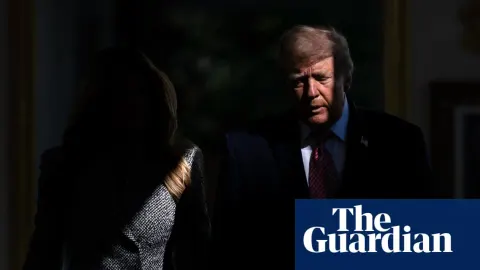
In a ceremony that broke nearly 40 years of tradition, Kevin Warsh was sworn in as the new Chair of the Federal Reserve at the White House today. Traditionally, Fed chairs are sworn in at the central bank’s headquarters to symbolize independence, but President Trump’s decision to host the event himself underscores a more direct executive influence over monetary policy. Warsh takes the helm at a precarious moment; hedge funds are already warning of a "toxic cocktail" of rising inflation and insufficient bond yields. Analysts at Zweig-DiMenna suggest that the S&P 500 could face a 15% correction if the Fed fails to navigate the current surge in consumer prices, which have been exacerbated by the ongoing conflict in the Middle East.
The domestic impact of this global economic strain is being felt at the gas pump and in grocery aisles. Retailers like BJ’s Wholesale are reporting that high energy prices—driven by the closure of the Strait of Hormuz—are significantly curbing consumer spending. While gold prices in the local market saw a slight cooling, with 18k gold dropping from 19,788,540 to 19,655,570 (-0.7%), the broader inflationary trend remains a primary concern for Iranian households. The stability of the Emami coin at 192,000,000 Toman suggests that while the immediate panic has subsided, investors are holding their positions in hard assets as a hedge against the Fed’s potential shift toward more aggressive interest rate policies under Warsh’s leadership.
Nvidia’s Shadow Empire and the Crypto-Oil Intersection
Beyond the headlines of war and interest rates, a massive shift is occurring in the tech and energy sectors. Nvidia has reportedly funneled $18.6 billion into venture investments over the last three months, effectively building a vertically integrated empire that spans from AI chips to the power infrastructure required to run them. This massive capital deployment suggests that Nvidia is no longer just a hardware provider but a central architect of the future global economy. However, this growth is not without risk; the financial health of Nvidia’s partners is now deeply tethered to its own balance sheet, creating a systemic dependency that could prove fragile if the AI bubble faces a valuation reset.
In the crypto space, the intersection of energy and digital assets is becoming more formal. OKX and ICE have partnered to bring "never-expiring" oil futures to 120 million crypto users, a move that directly addresses the market's need for hedging tools during the Hormuz crisis. This comes at a time when Trump Media (DJT) is reporting massive unrealized losses on its Bitcoin holdings, totaling $455 million. The contrast is sharp: while institutional players are building sophisticated tools to trade through the crisis, speculative bets on the "Trump trade" are facing significant headwinds. Bitcoin currently sits at $77,134, reflecting a market that is cautiously optimistic but wary of the geopolitical signals coming out of the NATO meetings and the White House.
Watch
NATO ministers sound out US on Trump's 'confusing' troop moves • FRANCE 24 English
FRANCE 24 English
Frequently Asked Questions
Why is the US Secretary of State expressing disappointment with NATO?
What is the significance of Kevin Warsh being sworn in at the White House?
How has the Iran war impacted global retail earnings like BJ's Wholesale?
What are Nvidia's venture investments focused on?
Quantitative Tightening: How the Fed’s Balance‑Sheet Shrinkage Shapes Markets and Inflation
Quantitative Tightening (QT) is the process by which a central bank reduces the size of its balance sheet after a period of large‑scale asset purchases known as Quantitative Easing (QE). Instead of buying government bonds or mortgage‑backed securities, the Fed lets existing holdings mature without reinvestment, or it actively sells assets. The goal is to pull liquidity out of the financial system, raise short‑ and long‑term interest rates, and signal a tightening of monetary policy.
When the Fed tightens, bond yields typically climb because there are fewer buyers for safe‑government debt. Higher yields raise borrowing costs for corporations and consumers, which can dampen investment and spending. Stock markets often react negatively as discount rates used to value future earnings increase, compressing equity valuations. This chain of events is why analysts link QT to a “toxic cocktail” of market pressures, especially when it coincides with other shocks such as geopolitical tension in the Middle East or rapid shifts in commodity prices.
Inflation risk is a key driver behind QT. By withdrawing excess reserves, the Fed aims to prevent demand‑side overheating that could embed price rises into the economy. However, the timing and pace matter: tightening too quickly can stall growth and trigger a recession, while moving too slowly may allow inflation expectations to become unanchored. The 2022‑2023 cycle illustrated this balance; the Fed began shrinking its $8‑trillion balance sheet while raising the policy rate, contributing to volatility in the S&P 500 and heightened concerns about a stagflationary environment.
For investors, understanding QT helps decode why asset prices may swing sharply after Fed announcements. It also clarifies the relationship between monetary policy, exchange rates (e.g., the Iranian toman’s outlook), and commodity markets such as oil flowing through the Strait of Hormuz. As the Fed’s actions ripple through global finance, keeping an eye on QT provides a clearer lens on the broader economic picture.
Topics
Related Articles