Cannes Spotlight and Diplomatic Thaw: Tehran Markets Retrace as Trump Signals Progress
درخشش کن و سیگنالهای دیپلماتیک؛ ریزش ۲.۳ درصدی دلار و طلا در بازار تهران
As the Cannes Film Festival nears its climax with Iranian talent in the spotlight, the Rial has strengthened significantly against the dollar and gold following optimistic diplomatic signals. Meanwhile, global markets face new warnings of 'credit termites' in AI infrastructure and a sharp correction in Bitcoin prices.
At time of publishing
USD
174,900
Toman
Gold 18K
19.20M
Toman / gram
Bitcoin
$75,813
US Dollar
Tether
17,196
Toman
Cultural Prestige and the Palme d'Or Race at Cannes
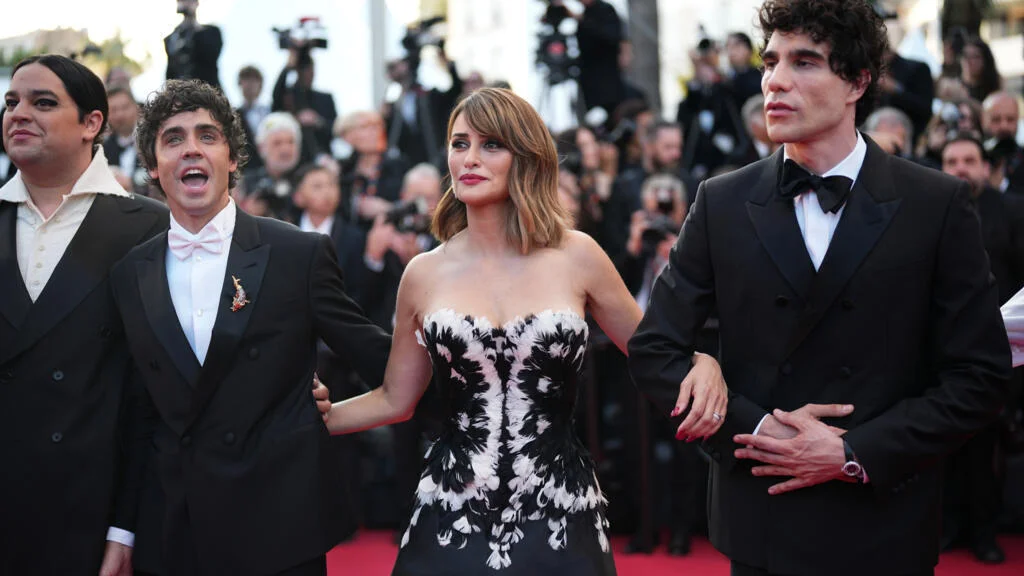
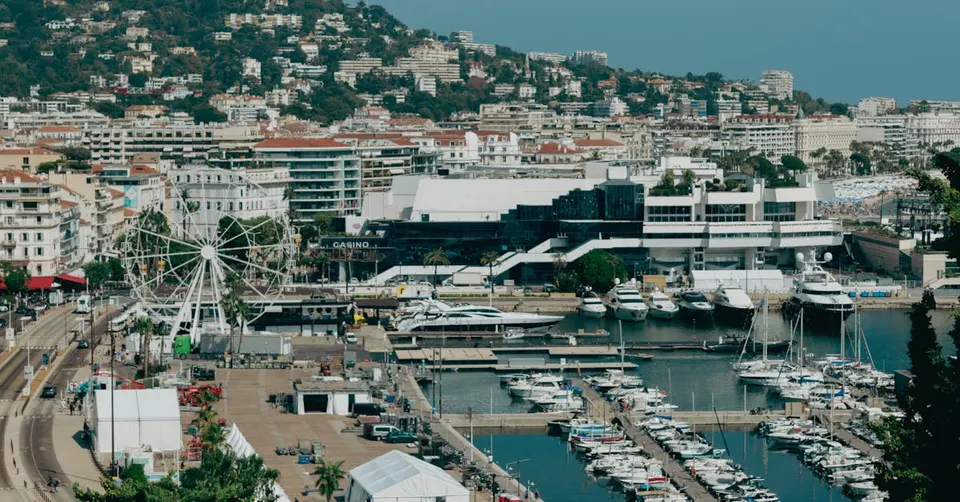
As the 79th Cannes Film Festival reaches its grand finale tonight, the atmosphere on the Croisette is electric, with Iranian cinema once again positioned at the heart of global cultural discourse. No clear frontrunner has emerged for the prestigious Palme d'Or, but critics have highlighted a remarkably strong field of contenders from Russia, Iran, and Romania. For Iranian audiences, this isn't just about art; it represents a form of soft power and international recognition that often provides a psychological boost to national sentiment during times of economic transition. The presence of Iranian auteurs on the red carpet serves as a reminder of the country's enduring cultural export capacity, even when traditional trade remains hampered by geopolitical friction.
The closing ceremony is expected to be a high-stakes affair, with the jury facing the difficult task of balancing aesthetic innovation with the heavy political undertones present in this year's selection. For the Iranian Rial, cultural milestones like these often coincide with shifts in public optimism. While a film award doesn't change macroeconomics, the visibility of Iranian success on the world stage can influence the 'confidence index' among local traders, who are currently navigating a sensitive market environment characterized by sudden price corrections and shifting diplomatic winds.
Trump’s 'United States of the Middle East' and the Rial’s Rally
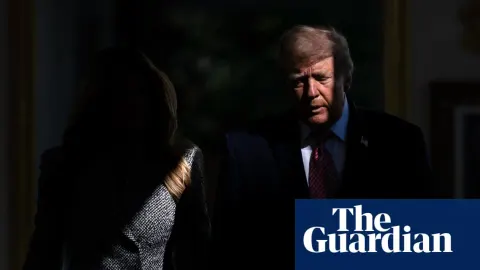
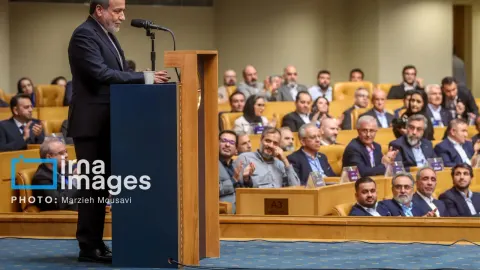
The domestic market in Tehran has reacted sharply to a flurry of diplomatic signals originating from both Washington and Tehran. In the last 24 hours, the USD/IRR exchange rate moved from 179,000 to 174,900, representing a significant -2.3% decrease. This correction follows a provocative and widely discussed post by Donald Trump on Truth Social, featuring a US flag covering a map of the region, which he captioned with references to a 'United States of the Middle East.' While the imagery is characteristically bold, analysts interpret it as a signal that the 'delicate diplomacy' mentioned by experts is moving into a more concrete phase. Trump himself noted that the two nations are 'getting a lot closer' to an agreement, even as Tehran clarifies that nuclear weapons remain outside the initial framework of these talks.
This downward pressure extended to the gold market as well. Gold 18k per gram dropped from 19,653,261 to 19,204,487 Toman (-2.3%), while the Emami coin fell from 192,000,000 to 189,000,000 Toman (-1.6%). The synchronization of these price drops suggests that the market is pricing in a reduction in the 'war premium' that has kept rates elevated for months. Traders are increasingly wary of holding large foreign currency positions as the rhetoric shifts from confrontation to negotiation, fearing a further collapse in the dollar's value if a formal memorandum of understanding is announced in the coming weeks.
The 'Termite' Infestation: Opaque AI Loans Threaten Global Bonds
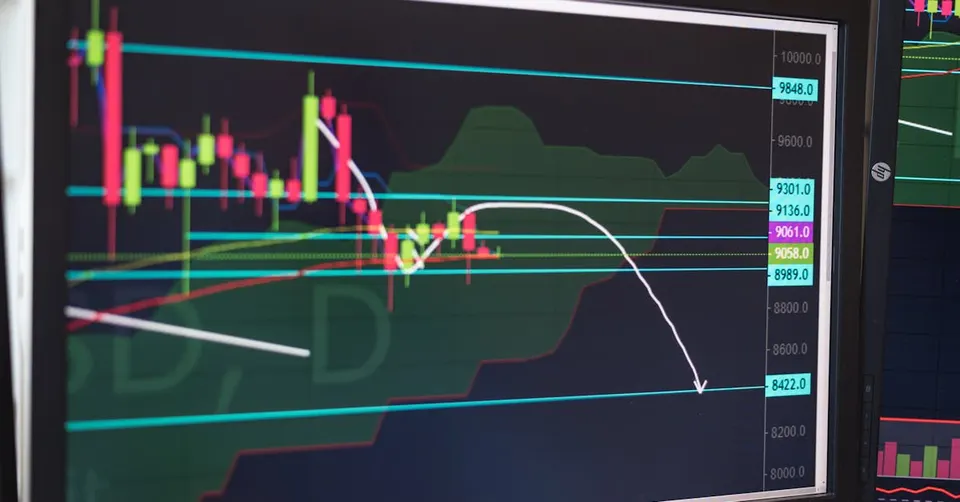
While Tehran focuses on diplomacy, global financial centers are digesting a stern warning from JP Morgan Chase leadership regarding a new threat to the bond market. While previous warnings focused on 'cockroaches'—visible and manageable risks—the current concern is 'credit termites.' These are described as opaque, highly leveraged loans used to fund the massive infrastructure required for the AI revolution. As Nvidia continues to struggle with power-grid crises and trade war limitations despite its chip dominance, the underlying debt used to build data centers is becoming increasingly fragile. This 'termite' infestation is hollowing out credit portfolios from the inside, creating a risk that could trigger a sudden repricing of corporate bonds even if the Federal Reserve maintains a steady hand.
For the Iranian investor, this global macro shift is more relevant than it appears. As global credit premiums climb, the appetite for risk in emerging markets and alternative assets typically wanes. If a 'credit event' occurs in the US AI sector, it could lead to a flight to quality, potentially strengthening the global US dollar and reversing the current local correction in Tehran. Understanding that the current Rial strength is partially tied to a temporary lull in global volatility is crucial for those looking to hedge their portfolios against the next wave of international economic instability.
Crypto Liquidations and the FTX Legacy
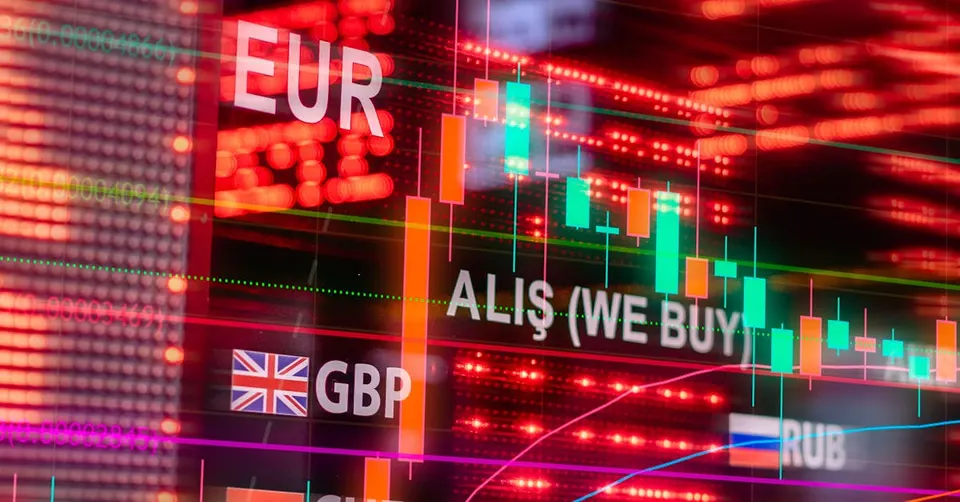
The cryptocurrency market has endured a bruising 24 hours, with Bitcoin diving below the $75,000 mark for the first time in a month. This slide, which saw BTC hit $75,813, was accelerated by a disastrous week for spot ETFs, which saw outflows exceeding $1.25 billion. The sentiment was further dampened by news that FTX’s former law firm, Fenwick & West, has agreed to a $66 million settlement over claims related to the exchange's historic fraud. While this settles one chapter, the firm still faces a massive $525 million suit, reminding investors that the legal ghost of FTX continues to haunt the industry’s recovery efforts.
In Iran, where Tether (USDT) often serves as a primary bridge to global markets, the price of the stablecoin has settled at 17,196 Toman. The combination of falling global crypto prices and a domestic Rial rally has created a unique window for local buyers, though the high volume of liquidations—approaching $1 billion globally—suggests that the bottom may not yet be in. Investors are advised to watch the $74,000 support level closely, as a breach there could trigger a deeper correction that would offset any gains made from the Rial's recent strength.
Frequently Asked Questions
Why did the USD/IRR price drop by 2.3% today?
What are 'credit termites' and how do they affect my portfolio?
Is the current Bitcoin price drop a buying opportunity for Iranians?
How does the Cannes Film Festival impact the Iranian economy?
Geopolitical Risk and Market Volatility: The Iran Case
Geopolitical risk refers to the potential for political events, conflicts, or international tensions to disrupt global stability and economic activity. These risks can range from trade disputes and diplomatic spats to military conflicts and changes in government policy. What makes them particularly impactful is the uncertainty they inject into financial markets, as investors struggle to predict outcomes and their economic consequences. This uncertainty often leads to significant shifts in asset prices, especially in currencies and commodities.
When geopolitical tensions rise, investors typically seek safety. This often translates into a flight to "safe-haven" assets and currencies. For instance, the U.S. dollar, often seen as a global reserve currency, tends to strengthen during periods of heightened global uncertainty, as capital flows out of riskier assets and emerging markets. Conversely, positive diplomatic signals or a de-escalation of tensions can reduce perceived risk, leading to a reversal of these trends. For countries under significant international pressure, like Iran, shifts in diplomatic sentiment can have an immediate and profound effect on their local currency's value against major foreign currencies.
Commodity markets, particularly gold, are also highly sensitive to geopolitical risk. Gold has historically served as a traditional safe haven, meaning its price often rises when political and economic uncertainties loom. Investors buy gold to preserve wealth during times of crisis, anticipating that its value will hold or even increase while other assets might falter. Therefore, a "retrace" or correction in gold prices, as mentioned in the headline regarding Tehran, can often signal a perceived reduction in geopolitical risk or an improvement in diplomatic prospects, leading investors to shift capital back into more growth-oriented or riskier assets.
Topics
Related Articles