Diplomatic Thaw: Iran-US Progress Signals Market Correction as Kevin Warsh Takes the Fed Helm
روزنههای دیپلماسی در تهران: ریزش قیمتها در پی پیشرفت مذاکرات ایران و آمریکا و آغاز عصر جدید در فد
Tehran markets saw a sharp correction today as US and Iranian officials signaled tangible progress in cease-fire negotiations. Meanwhile, the global economy braces for the 'Warsh Era' at the Federal Reserve amidst a volatile oil shock and renewed regional strikes.
At time of publishing
USD
176,700
Toman
Gold 18K
19.29M
Toman / gram
Bitcoin
$75,454
US Dollar
Tether
17,604.6
Toman
Diplomacy Overcomes Tension: The Tehran Market Correction
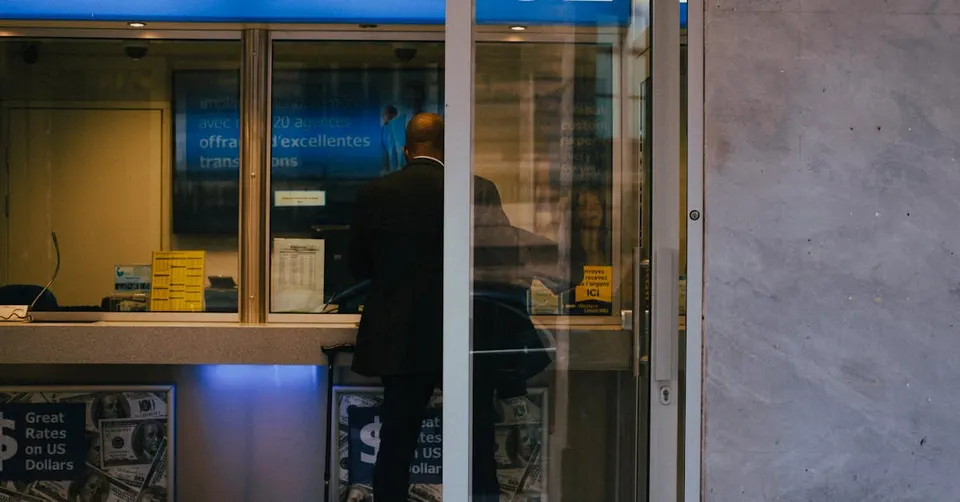
At 19:00 Tehran time, the domestic market is reacting sharply to reports from the New York Times and official circles suggesting that Iran and the United States are nearing a significant breakthrough in cease-fire negotiations. While the Middle East remains on edge, the tone from negotiators has shifted from cautious skepticism to guarded optimism. This diplomatic momentum has immediately translated into a cooling effect on the currency market, where the USD/IRR exchange rate moved from 179,000 to 176,700 Toman, a notable 1.3% decline in just 24 hours.
This correction isn't limited to currency alone. Gold 18k per gram dropped by 1.8%, falling from 19,653,261 to 19,291,518 Toman, while the Emami coin shed 1.6% of its value to settle at 189,000,000 Toman. Traders in the Sabzeh Meydan district are reportedly moving to the sidelines, waiting to see if the 'legitimate rights' mentioned by Iranian officials will be secured through a formal agreement or if the current progress is merely a temporary pause in regional hostilities. The market's sensitivity to these headlines underscores the high stakes of the current diplomatic flurry.
The 'Warsh Curse' and the Global Oil Shock
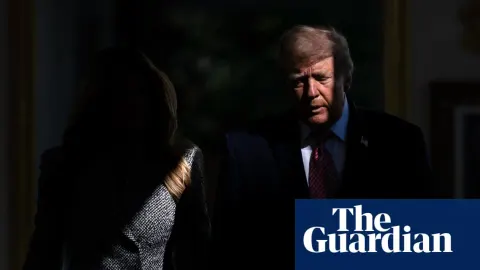
On the global stage, the swearing-in of Kevin Warsh as the new Federal Reserve Chair has sent ripples through international portfolios. Historically, new central bank leaders are often greeted by a 'market curse'—a period of heightened volatility or downturn shortly after taking office. Warsh faces a particularly grueling initiation as he must navigate a resurgence in energy prices. The 'oil shock' currently hitting the West is forcing the Fed to choose between crushing consumer demand to curb inflation or supporting a bull market that is showing signs of exhaustion.
For Iranian investors, Warsh’s policy direction is critical. A more hawkish Fed could strengthen the global DXY, putting further pressure on gold, which is already trading at $4,510.50 per ounce. If Warsh prioritizes fighting the energy-driven inflation over market stability, we could see a broader retreat from risk assets, including cryptocurrencies like Bitcoin, which currently sits at $75,454. The intersection of US monetary policy and Middle Eastern energy routes remains the primary driver for global volatility this quarter.

Fragility in Lebanon: Strikes Amid a Weak Truce
Despite the progress in Iran-US talks, the situation on the ground in Lebanon remains dangerously unstable. Israeli strikes pummelling the city of Tyre on Saturday have resulted in the deaths of medics and significant damage to local hospitals. These events occurred even as funerals were being held for paramedics killed just a day prior, highlighting the extreme fragility of the current truce. This 'fragile balance' is the primary reason why the 'risk premium' in gold and oil hasn't completely evaporated despite the diplomatic signals from Tehran.
Geopolitical analysts warn that as long as tactical strikes continue to claim civilian and medical lives, the broader strategic agreement remains at risk of collapse. For the markets, this means that while we see a correction in Tehran today, the floor for prices remains high. The possibility of a sudden escalation that could disrupt shipping lanes or energy infrastructure keeps investors in a state of 'permanent alert,' preventing a full return to pre-crisis pricing levels.
Domestic Hazards: Toxic Leaks and Public Health Crises
While high-level diplomacy dominates the headlines, domestic emergencies in the United States are adding to a sense of general instability. In Orange County, near Los Angeles, a toxic chemical leak from a highly volatile tank has forced thousands to evacuate their homes as officials warn of a potential explosion. Simultaneously, in New Mexico, a tragic incident involving fentanyl exposure has left three dead and 18 first responders hospitalized. These events, though localized, contribute to a narrative of domestic vulnerability that complicates the political landscape for the US administration.
These public safety crises often have secondary economic impacts, affecting local supply chains and municipal insurance costs. For the global observer, they serve as a reminder that even as the world focuses on the 'big picture' of war and peace, the internal stability of major powers remains subject to sudden and unpredictable shocks. As we move into the next hour, the focus remains on whether the diplomatic progress in the Middle East can be sustained long enough to provide a lasting reprieve for the global economy.
Frequently Asked Questions
Why did the USD/IRR price drop in Tehran today?
What is the 'Fed Curse' mentioned regarding Kevin Warsh?
How are the strikes in Lebanon affecting gold prices?
Geopolitical Risk and Financial Markets
Geopolitical risk refers to the uncertainty and potential instability arising from political events, conflicts, diplomatic shifts, or international relations that can significantly impact global economic and financial systems. Unlike typical market risks, geopolitical risks are often unpredictable and can emerge from diverse sources, including interstate conflicts, civil unrest, terrorism, or major policy changes by influential nations. These events create an environment of heightened caution, prompting investors to reassess their portfolios and future economic outlooks.
The ripple effects of geopolitical risk are far-reaching across financial markets. Commodities like oil and natural gas are particularly sensitive, as supply disruptions or increased demand due to conflict can lead to sharp price spikes – a phenomenon often termed an "oil shock." Gold, traditionally seen as a safe-haven asset, tends to appreciate during times of uncertainty as investors seek to preserve capital. Currency exchange rates, bond yields, and equity markets also react, reflecting shifting investor confidence, capital flight from riskier assets, and changes in economic forecasts for affected regions and the global economy at large.
The headline's mention of an "Iran-US diplomatic thaw" and "Lebanon cease-fire fragility" directly illustrates how shifts in geopolitical landscapes influence market sentiment. A thaw could reduce the perceived risk premium associated with the Middle East, potentially stabilizing oil prices and strengthening regional currencies, while fragility could reignite concerns. Similarly, the prospect of a "Tehran market correction" or an "Oil shock 2026" highlights how these risks can materialize into significant economic events. Central banks, like the Federal Reserve (with "Kevin Warsh at the Fed helm"), play a crucial role in monitoring these risks and adjusting monetary policy to mitigate their impact on domestic and global economic stability, often balancing inflation control with growth concerns amidst external shocks.
Topics
Related Articles