
France Bans Israeli Minister Ben-Gvir; Norway Boosts Oil as Europe Scrambles; California Evacuates Thousands
فرانسه وزیر اسرائیلی بنگویر را تحریم کرد؛ نروژ تولید نفت را برای اروپا افزایش میدهد؛ هزاران نفر در کالیفرنیا تخلیه شدند
In a significant diplomatic move, France has banned Israeli National Security Minister Itamar Ben-Gvir from entering the country over his treatment of detained flotilla activists. This comes as Europe faces an energy crisis, prompting Norway to significantly increase its oil and gas output, while thousands evacuate in California due to a toxic chemical tank threat. Meanwhile, Tehran's markets see a correction, with USD, gold, and Emami coin all declining.
At time of publishing
USD
176,100
Toman
Gold 18K
19.20M
Toman / gram
Bitcoin
$75,816
US Dollar
Tether
172,173
Toman
France Bans Israeli Minister Over Treatment of Detained Flotilla Activists
In a significant and unprecedented diplomatic move, France has imposed a ban on Israeli National Security Minister Itamar Ben-Gvir from entering the country. This decision targets a sitting minister known for his ultranationalist stance and hard-line policies, signaling a deepening rift between a key Western ally and certain factions within the Israeli government. The ban underscores growing international frustration with policies perceived to violate humanitarian norms and international law.
The direct catalyst for this ban stems from Ben-Gvir's controversial handling and public statements regarding detained flotilla activists, as well as his broader harsh policies concerning Palestinian prisoners. Paris views his actions as a significant breach of international diplomatic etiquette and a direct affront to humanitarian principles, making a strong statement that such conduct will not be overlooked or tolerated on the international stage.
This decision carries substantial implications, highlighting a growing international willingness to impose tangible consequences on Israeli officials for policies deemed extreme. It could potentially encourage other European Union nations to consider similar measures, further isolating certain governmental figures and straining bilateral relations. The diplomatic fallout from this action will undoubtedly impact broader European engagement with the region, signaling a tougher stance on human rights and international conduct.
California Evacuates Thousands Over Toxic Chemical Tank Explosion Risk
Thousands of residents in Orange County, California, have been ordered to evacuate their homes immediately following a severe warning from officials. The drastic measure was taken due to an imminent threat posed by a toxic chemical tank at a local industrial facility, which is at risk of exploding or spilling its highly volatile contents, endangering surrounding communities and the environment.
Authorities initiated the mass evacuation after determining that the tank contains a substance so unstable that it poses a catastrophic risk, with the potential to release dangerous chemicals into the air and water. Emergency services are on high alert, working feverishly to contain the situation and mitigate the potential for disaster, but the immediate danger necessitated widespread displacement to ensure public safety.
This incident serves as a stark reminder of the persistent environmental and public safety risks associated with industrial infrastructure, particularly when located near densely populated areas. It underscores the critical importance of stringent safety regulations, regular inspections, and robust emergency preparedness protocols. The potential long-term environmental and health impacts, should a spill occur, could be significant, affecting local ecosystems and public health for years to come.
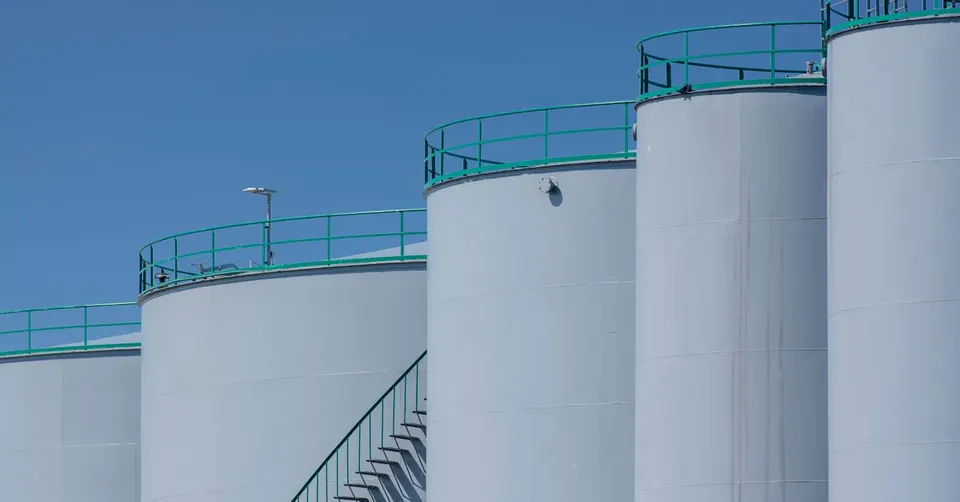
Norway Doubles Down on Oil and Gas as Europe Scrambles for Supply
Norway, a prominent European energy producer, has significantly ramped up its oil and gas output in recent weeks, responding to an urgent call for supply amid Europe's escalating energy crisis. This strategic move comes as the continent grapples with severe energy shortages, exacerbated by the closure of the Strait of Hormuz and ongoing disruptions in global energy trade channels.
Oslo's decision is a direct response to Europe's pressing need for stable and reliable energy sources. With traditional supply routes compromised and geopolitical tensions fueling market uncertainty, Norway has stepped in to fill critical gaps, effectively positioning itself as a vital supplier for the continent's energy security. This move, however, has drawn criticism from environmental groups who advocate for a stronger focus on renewable energy transitions.
This increased reliance on fossil fuels carries significant geopolitical and environmental implications. While providing much-needed immediate relief to energy-starved European nations, it also reignites debates about the continent's long-term commitment to climate goals. For global markets, increased Norwegian output could offer some stabilization in oil and gas prices, though the broader context of the Strait of Hormuz closure suggests that sustained volatility and upward pressure on crude benchmarks are likely to persist, impacting global inflationary pressures.
Insider Selling at Teradata Raises Investor Questions Amid Market Correction
Teradata's Chief Product Officer recently executed a sale of 15,000 shares of the company's stock, a transaction that has naturally garnered attention from investors closely monitoring insider activity. While executive share sales are a common occurrence for personal financial planning, they often prompt market participants to scrutinize the underlying reasons and potential implications for the company's future.
Insider selling can stem from a variety of factors, including personal liquidity needs, diversification strategies, or a perceived lack of near-term growth catalysts. Without further context, it remains challenging to definitively ascertain the precise motivation behind this specific sale. However, such moves are consistently scrutinized by the market as they can sometimes reflect a subtle shift in internal outlook or a lack of strong conviction in the company's immediate prospects.
For investors, insider selling often acts as a yellow flag, prompting deeper due diligence into the company's fundamentals, competitive landscape, and market position. While a single transaction is not a definitive bearish signal, a pattern of significant or widespread insider selling can erode investor confidence, suggesting that those closest to the company might anticipate limited upside or potential challenges ahead. This sentiment is particularly relevant in the current Tehran market climate, where the USD/IRR exchange rate moved from 179,000 to 176,100 (-1.6%), Gold 18k/gram decreased from 19,653,261 to 19,204,487 (-2.3%), and Emami coin dropped from 192,000,000 to 189,000,000 (-1.6%) in the last 24 hours, reflecting a broader market correction and cautious mood.

London Mayor Blocks Palantir AI Contract Amid Sovereignty Concerns
London Mayor Sadiq Khan has made a significant decision, blocking a proposed £50 million contract that would have seen the AI giant Palantir provide advanced intelligence processing tools to the Metropolitan Police. This move comes amidst heightened global scrutiny of artificial intelligence, its ethical implications, and its integration into sensitive public services like law enforcement.
The Mayor's decision was reportedly driven by mounting concerns over national security, digital sovereignty, and the broader societal impact of deploying powerful AI technologies. Critics, including Conservative London Assembly leader Susan Hall, have raised pertinent questions about data privacy, potential inherent biases within AI algorithms, and the long-term implications of such a partnership, leading to considerable political pushback against the deal.
This blockage signifies a growing trend among governments and public bodies to exercise greater caution and oversight over the rapid adoption of AI, especially when it involves sensitive citizen data and national security prerogatives. It sets a precedent for how major global cities might navigate the complex interplay between technological advancement, privacy rights, and maintaining public trust. For Palantir, this represents a notable setback in expanding its public sector footprint within a major global city, potentially influencing its strategy for securing future government contracts in other privacy-conscious jurisdictions worldwide.
Frequently Asked Questions
Why did France ban Israeli National Security Minister Itamar Ben-Gvir?
What is the significance of Norway increasing its oil and gas production?
What caused the evacuations in Orange County, California?
How did the Tehran markets perform in the last 24 hours?
Why did London Mayor Sadiq Khan block the Palantir AI contract?
Understanding Energy Security
The news of Norway boosting oil production as Europe scrambles highlights a critical concept in international relations and economics: Energy Security. At its core, energy security refers to the uninterrupted availability of energy sources at an affordable price. It's a multifaceted challenge encompassing not just the physical supply of energy, but also the resilience of infrastructure, the stability of prices, and the diversification of energy sources to prevent over-reliance on any single supplier or type of fuel.
The scramble in Europe, for instance, is a direct consequence of disrupted energy supplies, primarily natural gas, following geopolitical events. When a major supplier's output is curtailed or rerouted, nations dependent on that supply face immediate challenges, including potential shortages, soaring prices, and economic instability. This forces countries to seek alternative sources, even if they are more expensive or environmentally contentious, underscoring the delicate balance between energy needs, economic stability, and long-term climate goals. Norway's increased oil production, in this context, serves as a short-term measure to alleviate immediate supply pressures for its European neighbors.
Achieving robust energy security involves several key strategies. Diversification is paramount, meaning investing in a mix of energy sources—from traditional fossil fuels to renewables like solar and wind—and sourcing them from multiple countries. Building strategic reserves of critical fuels, like oil, provides a buffer against sudden supply shocks. Furthermore, investing in resilient energy infrastructure, such as pipelines, grids, and storage facilities, is crucial to ensure reliable delivery. International cooperation and agreements also play a vital role in coordinating responses to crises and fostering stable energy markets globally.
Ultimately, energy security is not merely an economic or technical issue; it's a fundamental pillar of national security and economic prosperity. Nations with secure energy supplies are better positioned to withstand global shocks, maintain economic competitiveness, and ensure the well-being of their citizens.
Topics
Related Articles