Trump’s Economic Approval Plummets Amid Iran Conflict; Oil Markets Brace for Hormuz ‘Red Zone’
سقوط محبوبیت اقتصادی ترامپ همزمان با تنشهای ایران؛ هشدارهای «منطقه قرمز» در بازار نفت
New polling reveals 68% of Americans believe President Trump is neglecting the economy for foreign conflicts, as the IEA warns of a looming oil 'red zone' due to Hormuz disruptions.
At time of publishing
USD
179,600
Toman
Gold 18K
19.65M
Toman / gram
Bitcoin
$76,709
US Dollar
Tether
17,700
Toman
Domestic Backlash: Trump’s Economy Blindness and the Iran War
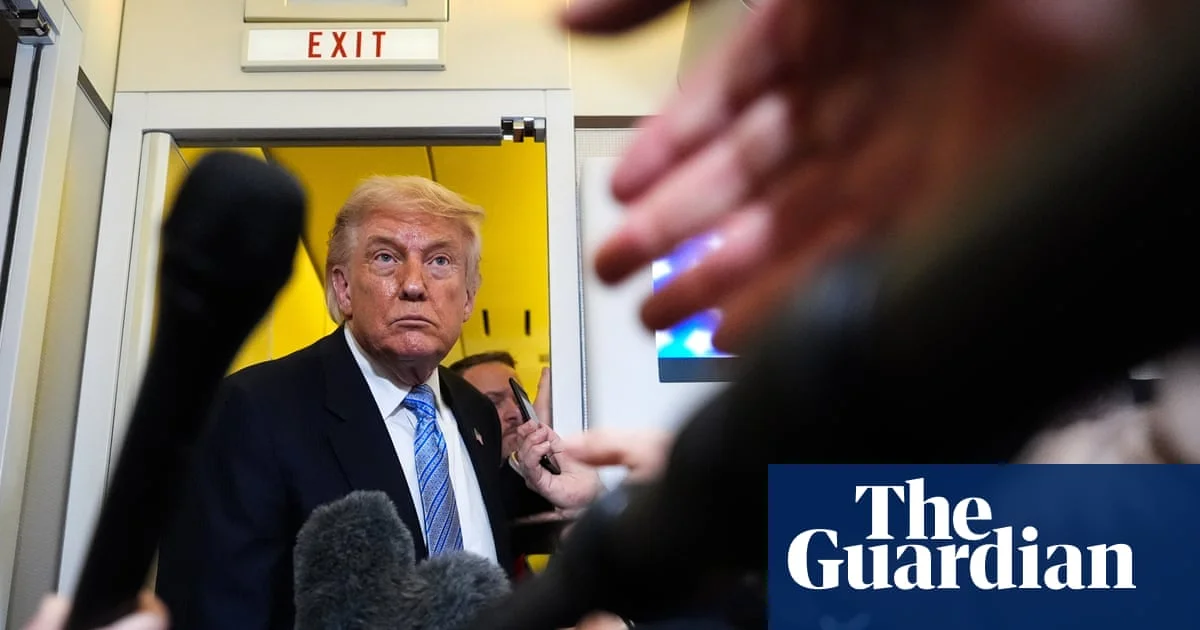
As of Friday evening, the political landscape in Washington is shifting under the weight of economic anxiety. A new Guardian poll reveals a staggering 68% of Americans believe President Donald Trump is prioritizing his controversial immigration crackdowns and the ongoing conflict with Iran at the expense of their financial wellbeing. This domestic frustration comes just days after the President reportedly dismissed concerns about the average American's financial situation during high-stakes peace talks. For the Iranian reader, this signals a potential pivot point; a US administration losing the economic argument at home often faces immense pressure to either resolve foreign entanglements or escalate them as a distraction.
The poll highlights a growing disconnect between the White House's geopolitical posturing and the reality of 'kitchen table' issues. While the administration focuses on mass deportations and naval maneuvers in the Persian Gulf, the American public is feeling the sting of war-induced inflation. This internal pressure could force a softening of the US stance in upcoming negotiations, as the 'economy first' voters who propelled Trump to power begin to vocalize their discontent. If the US public continues to view the Iran conflict as an 'affordability killer,' the leverage in Ankara's mediation rooms may shift in Tehran's favor.
The Oil 'Red Zone': Markets Ignore Warnings at Their Peril
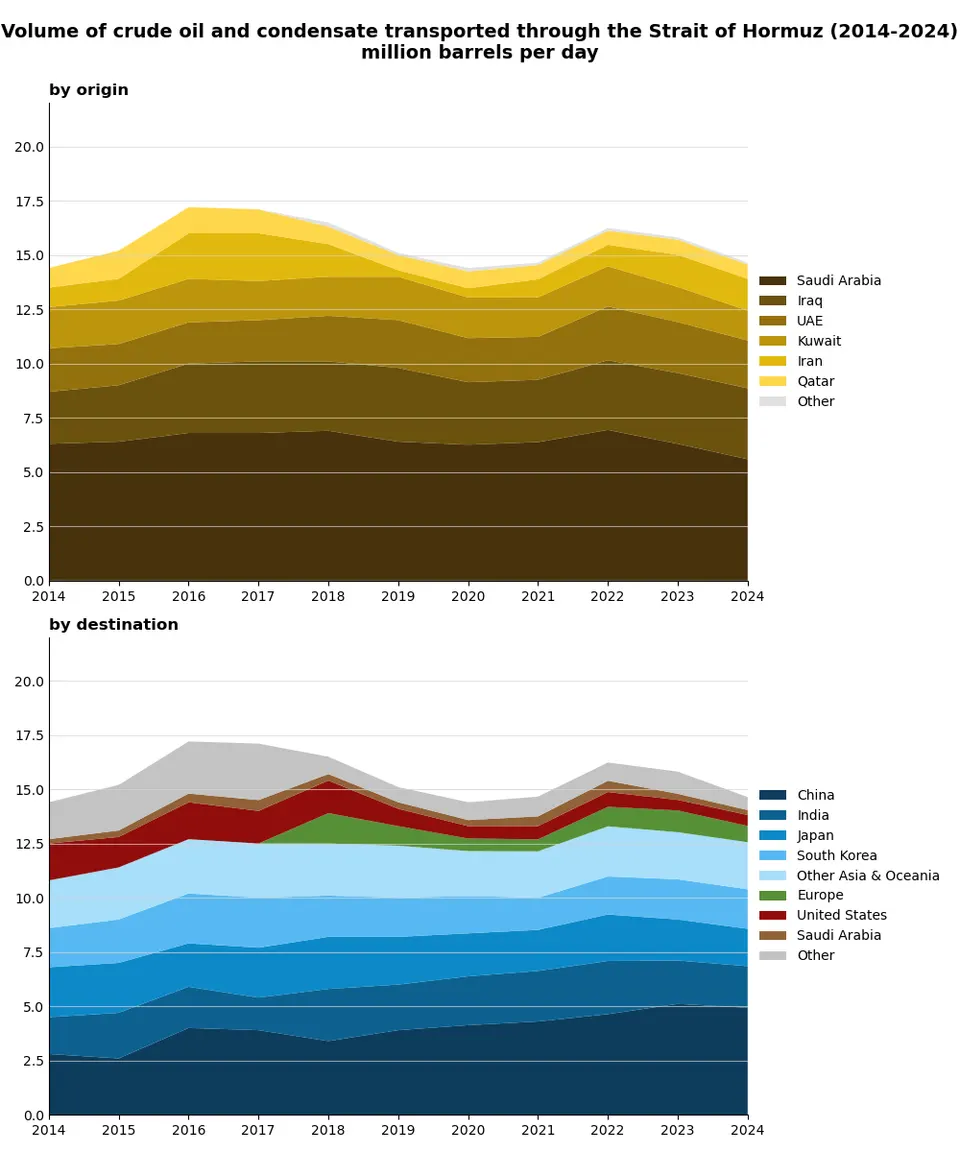
Global energy markets are currently navigating a 'toxic cocktail' of contradicting narratives. While some investors are buoyed by rumors of a US-Iran breakthrough, the International Energy Agency (IEA) has issued a stark warning: oil markets are set to hit the 'red zone' by July-August 2026. This crisis is driven by severe stress in the Strait of Hormuz, where disruptions have reshaped energy flows worldwide. Despite these red flags, Brent crude has seen only minor bullish movements, as the market seems to be pricing in a diplomatic miracle that has yet to materialize.
Adding a layer of modern complexity to the energy sector, ICE and OKX have announced plans to launch oil-linked perpetual futures. This move brings crypto-native derivatives directly into the traditional energy benchmark space, allowing for more speculative volatility in Brent and WTI prices. For Iran, the world's focus on Hormuz as a 'choke point' remains the primary driver of regional economic sentiment. As long as the IEA's 'red zone' looms, any minor friction in the Gulf will likely result in immediate price spikes that override any diplomatic optimism.
Tehran Market Update: Toman Holds Firm as Gold Corrects
In the local markets, the Toman has remained remarkably resilient despite the geopolitical noise. The USD/IRR exchange rate moved slightly from 179,500 to 179,600, a marginal increase of +0.1%. This stability suggests that local traders have already priced in the current level of tension and are waiting for more concrete news from the diplomatic front. Meanwhile, the Iranian Foreign Ministry has reiterated its stance that the US military presence in the region is a 'threat rather than a source of security,' a statement that reinforces Tehran's firm position even as back-channel talks continue.
Gold, however, saw a notable correction today. The price of 18k gold per gram fell from 19,788,540 to 19,654,416, representing a -0.7% decrease. Emami coins remained flat at 192,000,000 Toman. This dip in gold prices, even as global uncertainty persists, may be attributed to local profit-taking and a slight cooling of the 'panic buying' seen earlier in the week. For investors, the current landscape is one of 'cautious consolidation,' where the dollar serves as a stable anchor while gold finds a new equilibrium.
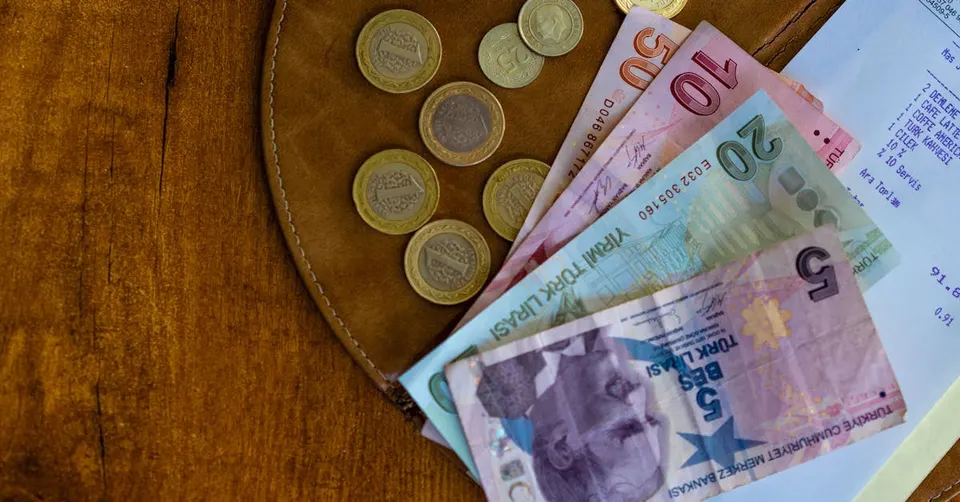
Global Tech and Health: From ETF Risks to Ebola Breakthroughs
In the broader world of finance and science, two stories are catching the eye of long-term strategists. In the markets, analysts are warning younger investors about the risks of over-concentration in technology ETFs, such as Vanguard’s Information Technology fund. With Nvidia facing a 'credit and power-grid crisis' that corporate profits alone cannot fix, the heavy reliance on AI infrastructure is being questioned. This serves as a reminder that even the most robust tech rallies are susceptible to physical infrastructure limits and trade war disruptions.
On the health front, UK scientists have announced a significant breakthrough in the fight against the Bundibugyo species of Ebola. A new vaccine could be ready for human trials within months, offering hope against a virus that currently kills a third of those it infects. While seemingly distant from the oil and currency markets, such medical advancements are critical for global stability. In an era where biosecurity is as vital as energy security, progress in vaccine development provides a rare silver lining in a week otherwise dominated by conflict and economic strain.
Frequently Asked Questions
Why is public opinion in the US turning against the Iran conflict?
What is the 'Red Zone' warning issued by the IEA for oil markets?
Why did gold prices drop in Tehran today despite ongoing geopolitical tensions?
The Strait of Hormuz: Why It Matters for Global Oil Markets
The Strait of Hormuz, a narrow waterway between Iran and Oman, is one of the world’s most critical chokepoints for oil transportation. Roughly 20% of global petroleum—about 21 million barrels per day—passes through this 21‑mile channel, linking the Persian Gulf’s massive oil fields to the rest of the world. Because the route is so tight, any threat of conflict, piracy, or closure can instantly tighten global oil supply, prompting rapid price spikes.
Historically, the Strait has been a flashpoint for geopolitical tension. During the Iran‑Iraq War in the 1980s, Iran mined the waters, leading to the “Tanker War” that forced many ships to reroute around the Cape of Good Hope, dramatically increasing shipping costs and oil prices. More recently, in 2019 the United Kingdom’s HMS Duncan seized a vessel suspected of carrying illicit oil, and in 2020 a series of missile attacks on nearby oil facilities raised fears of a broader disruption. Each episode reminded markets how fragile the supply chain can be when a single narrow passage is jeopardized.
The International Energy Agency (IEA) uses the term “red zone” to describe scenarios where a major supply shock—such as a prolonged closure of Hormuz—could push oil prices well above $120 per barrel, triggering severe economic fallout. In such a red‑zone event, not only would gasoline and jet fuel costs soar, but inflation would accelerate globally, and vulnerable economies dependent on oil imports could face balance‑of‑payments crises. Policymakers therefore monitor naval movements and diplomatic talks closely, often urging de‑escalation to keep the waterway open.
From a risk‑management perspective, investors and corporations hedge against Hormuz‑related shocks through futures contracts, diversified energy portfolios, and strategic petroleum reserves. The recent surge in interest for ETFs focused on information technology, like Vanguard’s IT fund, reflects a broader shift: when oil markets become volatile, capital often flows toward sectors perceived as less directly exposed to energy price swings. Understanding the strategic importance of the Strait helps explain why seemingly distant geopolitical events can ripple through financial markets worldwide.
In sum, the Strait of Hormuz is more than a geographic curiosity; it is a linchpin of the global energy system. Its stability underpins oil price stability, influences inflation, and shapes investment flows. As tensions rise, keeping an eye on this narrow passage is essential for anyone tracking the world’s economic health.
Topics
Related Articles