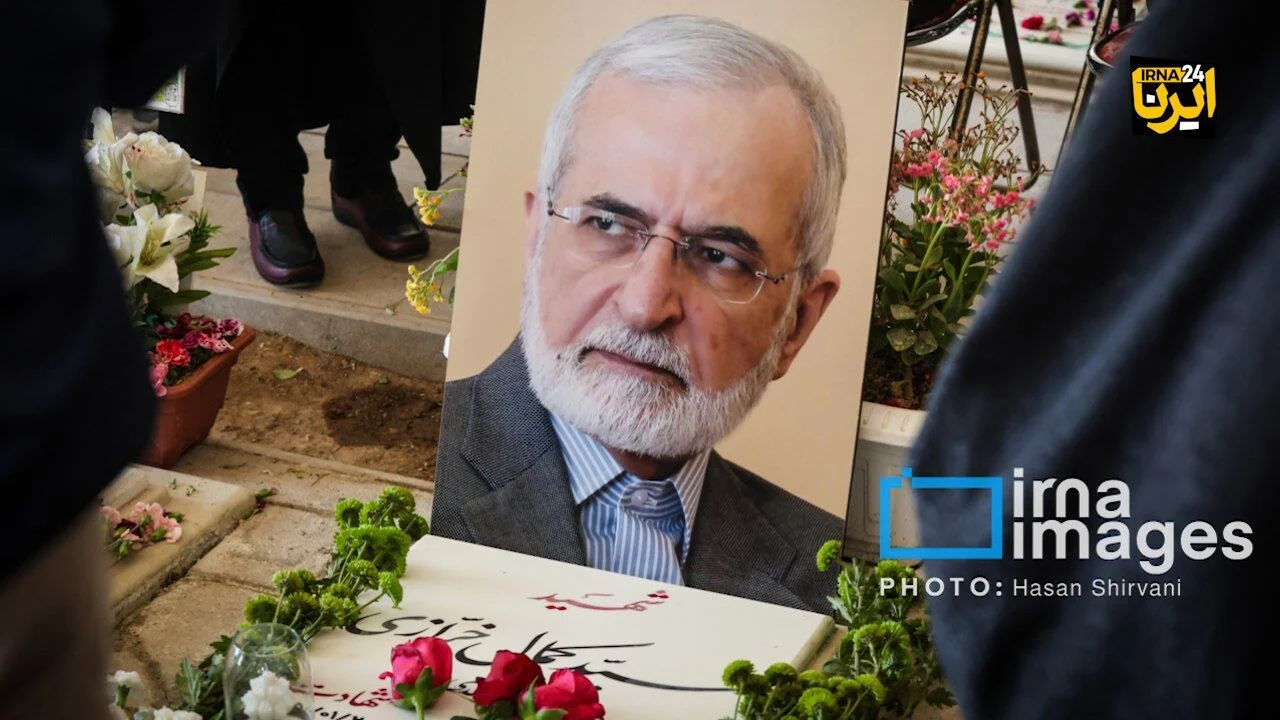
Memorial for Kamal Kharrazi Marks 40 Days of Mourning as China Mine Disaster Toll Climbs to 90
مراسم چهلم شهید کمال خرازی در تهران و فاجعه انفجار معدن در چین با ۹۰ کشته
Iran commemorates the 40th day since the assassination of diplomat Kamal Kharrazi amidst a backdrop of regional tension. Meanwhile, a catastrophic mine explosion in China has claimed 90 lives, and markets remain steady with USD at 179,000 Toman.
At time of publishing
USD
179,000
Toman
Gold 18K
19.65M
Toman / gram
Bitcoin
$75,379
US Dollar
Tether
17,705.7
Toman
Iran Honors Martyred Diplomat Kamal Kharrazi on 40th Day
A solemn ceremony was held on Friday at Tehran’s Behesht Zahra cemetery to mark the 40th day since the martyrdom of Kamal Kharrazi, the influential head of Iran’s Strategic Council on Foreign Relations. Kharrazi, a veteran diplomat who played a pivotal role in shaping Iran's long-term foreign policy and its "Look East" strategy, succumbed to injuries on April 8 following what Iranian officials have characterized as a targeted US-Israeli terrorist attack. The event was attended by high-ranking officials and families of martyrs, serving as a moment of national reflection on the ongoing shadow war in the region.
The loss of Kharrazi is significant not just symbolically but strategically. As the head of a council that reports directly to the highest levels of leadership, his absence leaves a void in the intellectual framework of Iran’s diplomatic maneuvers. This memorial comes at a time when regional tensions remain at a boiling point, and the rhetoric surrounding the assassination continues to influence Tehran’s stance in international negotiations. For the average Iranian citizen, such high-level instability often translates into market anxiety, though the exchange rates have shown a surprising degree of resilience in the immediate aftermath of today's ceremonies.
China Mine Explosion: Death Toll Rises to 90 in Shanxi Province
In one of the deadliest industrial accidents in recent years, the death toll from a gas explosion at the Liushenyu coal mine in northern China’s Shanxi province has surged to at least 90. The blast occurred on Friday evening while 247 workers were deep underground. Although more than 200 individuals were initially reported to have been brought to the surface safely, subsequent rescue efforts revealed a much higher fatality count than first estimated. President Xi Jinping has issued an urgent directive to provincial authorities to "spare no effort" in the ongoing search and rescue operations, highlighting the gravity of the situation for the central government.
This disaster underscores the persistent safety challenges within China's massive coal industry, which has been under immense pressure to increase output to meet domestic energy demands. Shanxi is a critical hub for coal production, and a shutdown of facilities for safety inspections could have a ripple effect on global energy markets and industrial supply chains. For global observers, this incident raises questions about the balance between rapid economic production and labor safety standards in the world's second-largest economy. If coal production is curtailed, it could lead to higher global energy costs, indirectly impacting transport and manufacturing costs worldwide.
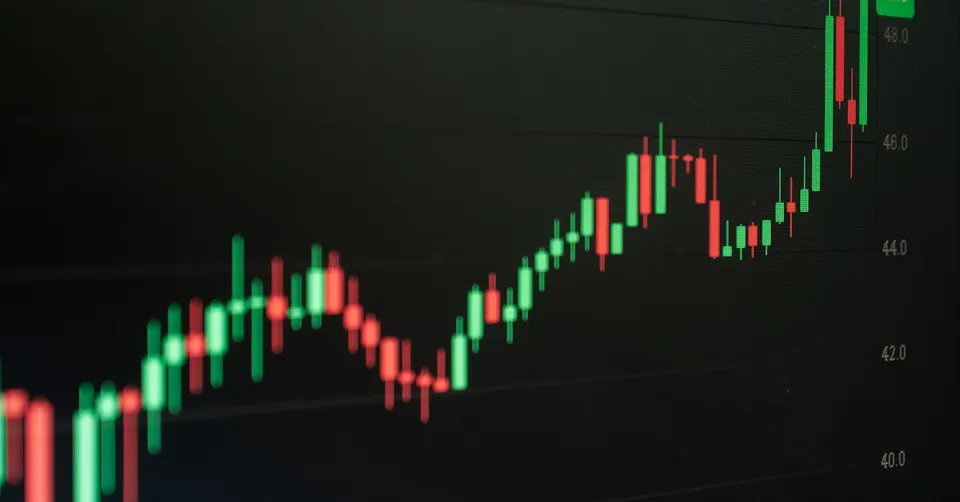
Markets and Crypto: USD Holds Steady While Saylor Hints at Bitcoin Exit
In the financial markets, the Iranian Toman has shown remarkable stability over the last 24 hours. The USD sell rate remains unchanged at 179,000 Toman (+0.0%), while the buy rate sits at 177,941 Toman. This lack of movement suggests that the market has temporarily reached an equilibrium, despite the geopolitical undercurrents mentioned above. Gold prices also remain frozen in the local market, with 18k gold at 19,653,261 Toman per gram (+0.0%) and the Emami coin holding at 192,000,000 Toman (+0.0%). However, on the global stage, gold continues to trade at a historic high of $4,510.50 per ounce, reflecting a broad international flight to safety.
In the cryptocurrency sector, Bitcoin is currently trading at $75,379, maintaining its position as a dominant asset class. However, a stir was caused by Michael Saylor, chairman of MicroStrategy, who suggested it is "not unlikely" that his company might sell some of its Bitcoin holdings in 2026. This marks a subtle shift from his previous "HODL forever" stance and has led analysts to speculate on whether institutional investors are preparing for a major market top. Meanwhile, Ethereum (ETH) is priced at $2,060.79, with analysts suggesting that despite a 28% decline earlier this year, its dominance in DeFi and stablecoins makes it a strong long-term accumulation play for those looking past the current volatility.
Cultural Resilience: Music and Art in the Heart of Tehran
Despite the heavy political and economic news, Tehran’s cultural scene continues to thrive. The Tehran Museum of Contemporary Art recently hosted the fourth installment of the ‘Music Tech’ program, focusing on the "Southern Voices" of Iran. The event featured regional bands performing on traditional instruments, blending ancient musical heritage with modern technical reflections. Simultaneously, at Vahdat Hall, the Tehran Symphony Orchestra performed its "From Beyond the Borders" concert under the baton of Omid Mehrabi, showcasing the enduring power of classical and orchestral music in Iranian society.
These cultural milestones serve as an important social barometer. In times of economic stagnation or political pressure, the persistence of high-art events like these indicates a society that is looking for internal cohesion and intellectual outlet. For the reader, this highlights that while the headlines are often dominated by assassinations and explosions, the domestic pulse of Iran remains vibrant and deeply connected to its historical roots. It also suggests that certain sectors of the economy, particularly those related to the arts and domestic tourism, are finding ways to operate independently of the broader macroeconomic fluctuations affecting the currency and energy sectors.
Frequently Asked Questions
How did the USD/IRR react to the regional political memorials today?
What are the global economic implications of the China mine disaster?
Why is Michael Saylor's comment on selling Bitcoin significant?
Coal Mine Safety in China: Why Disasters Still Happen
China is the world’s largest coal producer, accounting for more than half of global output. The country’s rapid industrialisation and insatiable energy demand have led to an enormous expansion of underground mines, especially in coal‑rich provinces such as Shanxi, Inner Mongolia, and Shaanxi. While this growth fuels the economy, it also creates a hazardous environment where safety standards are often stretched thin. Many mines operate with outdated equipment, inadequate ventilation, and insufficient monitoring of gas concentrations, all of which increase the risk of explosions and collapses.
The tragedy in Shanxi that left the death toll climbing to 90 is not an isolated incident. According to the International Labour Organization, China records more than 3,000 mining fatalities each year, a figure that dwarfs the totals in most other industrial nations. Contributing factors include the prevalence of small, privately‑owned mines that evade strict regulatory oversight, a culture of “production first” that pressures workers to ignore safety protocols, and a shortage of trained safety inspectors. After each disaster, the government typically orders temporary shutdowns and launches investigations, but systemic reforms lag behind the pace of new mine openings.
In response to repeated accidents, Chinese authorities have introduced a series of policy measures: stricter licensing requirements, mandatory safety training, and the deployment of advanced monitoring technologies such as methane sensors and automated ventilation controls. The 2021 “Coal Mine Safety Law” amendment raised penalties for non‑compliance and mandated real‑time reporting of hazardous conditions. However, enforcement remains uneven, especially in remote regions where local officials may prioritize economic targets over worker safety.
Understanding the root causes of China’s mining disasters helps explain why memorials like the one for Kamal Kharrazi resonate beyond personal grief. They highlight a broader societal challenge: balancing the nation’s energy needs with the fundamental right of miners to return home safely. Continued international attention and pressure for transparent safety audits are essential if China hopes to reduce the human cost of its coal‑driven growth.
For readers interested in digging deeper, the links below provide comprehensive overviews of China’s coal industry, mining safety regulations, and recent accident reports.
Topics
Related Articles