Netanyahu Sidelined in Iran Peace Talks; Global Energy Markets Braced for Hormuz Impact
حاشیهنشینی نتانیاهو در مذاکرات صلح ایران؛ بازارهای انرژی در انتظار بازگشایی هرمز
As Israel finds itself a 'passenger' in shifting US-Iran dynamics, global energy markets are recalibrating for a world where the Strait of Hormuz is no longer a guaranteed passage. Meanwhile, China faces a national tragedy after a massive mine explosion.
At time of publishing
USD
179,000
Toman
Gold 18K
19.65M
Toman / gram
Bitcoin
$75,391
US Dollar
Tether
17,878.592
Toman
Market Open — Saturday, May 23
The Tehran market opens this Saturday with a sense of cautious stability. The US Dollar (USD/IRR) is holding firm at 179,000 Toman for selling and 177,941 for buying, showing a 0.0% change over the last 24 hours. This stagnation in the currency market suggests that traders are pausing to digest the heavy geopolitical signals coming from Washington and regional capitals. While the 'wait and see' mood prevails, the underlying tension in the energy markets provides a floor for the dollar, preventing any significant cooling of prices.
In the gold sector, we see a similar lack of movement. 18k gold is priced at 19,653,261 Toman per gram, and the Emami coin remains at 192,000,000 Toman, both showing 0.0% delta. Globally, gold continues to shine as a safe haven, trading at a staggering $4,510.50 per ounce. Meanwhile, Bitcoin has found a comfortable range around $75,391. For the Iranian investor, the current stability is a double-edged sword: it offers a moment of breath, but the lack of downward correction despite 'peace talk' rumors indicates that the market still perceives high long-term risk.
The Sidelined Ally: Netanyahu as a 'Passenger'
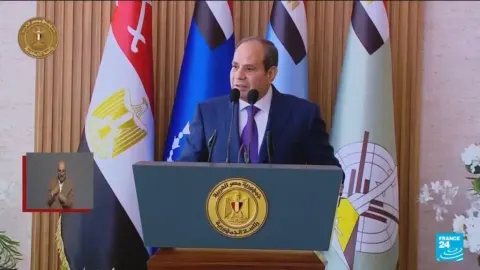
In a dramatic shift from the 'maximum pressure' era, Israeli Prime Minister Benjamin Netanyahu now finds himself largely excluded from the quiet diplomatic channels opening between the United States and Iran. Once the primary architect and 'co-pilot' of Donald Trump’s aggressive stance against Tehran, Netanyahu is now described as a 'mere passenger' in a process that could redefine regional security. This humbling setback for Israel comes at a time when the Biden-Trump transition (or the current administration's pivot) seeks to avoid a full-scale regional war by engaging in direct, albeit secretive, peace talks.
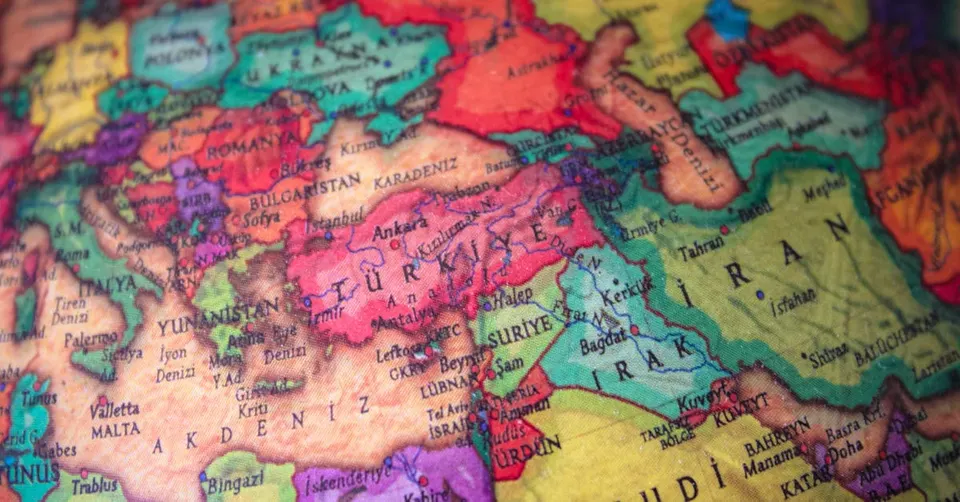
What does this mean for the region? For years, Israel’s 'red lines' were the primary constraints on US-Iran diplomacy. Now, as Washington prioritizes global energy stability and the containment of conflict, those red lines are being blurred. The risk for Israel is a deal that secures American interests—such as the reopening of shipping lanes—while leaving Israeli concerns about regional influence and nuclear capabilities secondary. This shift is already being felt in the markets, as the 'war premium' on the Toman fluctuates based on how much influence the Israeli cabinet is perceived to have over the White House.
The Death of the 'Hormuz Illusion'
Global energy markets are currently facing a 'train wreck' scenario if the Strait of Hormuz does not fully reopen by the end of August. For decades, the global economy operated under the illusion that the Strait was a guaranteed, commercially dependable passage. Recent strikes and the subsequent closure have shattered this assumption, forcing a massive architectural shift in energy security. Countries like Malaysia are now being eyed as the next energy hubs as Asia seeks to bypass the volatility of the Persian Gulf.
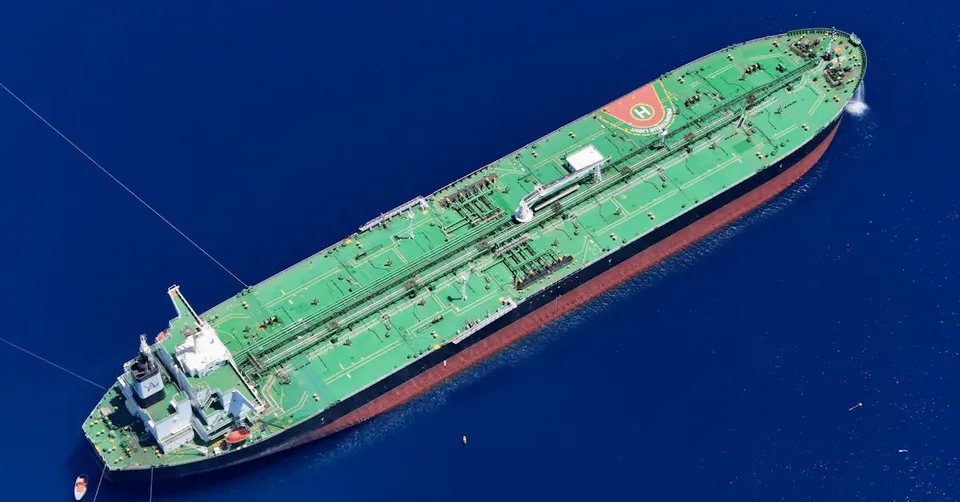
The consequences are dire for countries far beyond the Middle East. Colombia is currently experiencing a natural gas crisis directly linked to the Hormuz closure, as the global supply of LNG is squeezed. This illustrates the 'Butterfly Effect' of the current standoff: a naval blockade in the Gulf leads to electricity shortages in the Andes. For Iranian readers, this highlights the immense leverage Tehran holds, but also the immense pressure it faces; the longer the Strait remains a point of friction, the more the world will invest in infrastructure that bypasses Iranian waters entirely.
Tragedy in China: The Human Cost of Industrial Pressure
While the world watches the Middle East, China is mourning a massive industrial disaster. A coal mine explosion in northern China has claimed at least 82 lives, a number that rose drastically over the last 12 hours. President Xi Jinping has called for an 'all-out rescue' and a thorough investigation to hold those responsible to account. This event is not just a domestic tragedy; it highlights the extreme pressure on China’s energy sector to maintain production levels amidst global supply chain disruptions.

For the global economy, this tragedy could lead to stricter safety audits and temporary mine closures across China, further tightening the global coal and energy supply. As China is Iran’s primary economic partner, any internal instability or energy pivot in Beijing eventually reflects on Tehran’s trade balance. The accident serves as a grim reminder that even as nations play geopolitical chess, the underlying industrial machines that power them are under unprecedented strain.
Frequently Asked Questions
Why is Netanyahu being described as a 'passenger' in peace talks?
How does the Strait of Hormuz closure affect countries like Colombia?
Is the current stability in the USD/IRR market expected to last?
Understanding the Strait of Hormuz: A Global Energy Choke Point
The Strait of Hormuz is a narrow, strategically vital waterway connecting the Persian Gulf to the Gulf of Oman and the Arabian Sea. It serves as the sole maritime passage for a significant portion of the world's crude oil and liquefied natural gas (LNG) exports, making it the most important oil transit choke point globally. Bordered by Iran to the north and Oman's Musandam Peninsula to the south, its geographical position makes it an indispensable conduit for energy supplies from major producers like Saudi Arabia, Iran, Iraq, Kuwait, Qatar, and the UAE to international markets.
Its critical importance stems from the sheer volume of energy resources that pass through it daily. Approximately one-fifth of the world's total petroleum liquids consumption, and a substantial portion of global LNG, transits this strait. Any disruption, blockage, or threat to shipping in the Strait of Hormuz can send immediate shockwaves through global energy markets, leading to sharp spikes in oil and gas prices, and potentially triggering widespread economic instability.
Historically, the Strait has been a flashpoint for geopolitical tensions, particularly involving Iran, which has on various occasions threatened to close the waterway in response to international sanctions or military threats. The narrowness of the shipping lanes, coupled with the proximity of Iranian territorial waters, makes it highly vulnerable to military or asymmetric attacks. Consequently, the stability and security of the Strait of Hormuz are paramount for global energy security, and any perceived risk quickly translates into heightened volatility in commodity markets and increased global concern.
Understanding the Strait of Hormuz's role as a choke point is crucial for comprehending the dynamics of global energy supply, geopolitical risk, and international relations. Its continued security is a shared interest for importing nations worldwide, making any development concerning its stability a major factor for global economic forecasts and political strategies.
Topics
Related Articles