Day 85 of Conflict: Tehran Signals 'Major Gaps' in Peace Talks as Gold Prices Soften
هشتاد و پنجمین روز نبرد: تهران از شکافهای عمیق در مذاکرات صلح خبر داد؛ کاهش قیمت طلا در بازار داخلی
As Pakistan’s army chief arrives in Tehran for urgent mediation, Iranian officials warn of significant hurdles in securing a peace deal with the US. Meanwhile, domestic gold and coin prices saw a slight decline despite the ongoing regional tension.
At time of publishing
USD
179,000
Toman
Gold 18K
19.54M
Toman / gram
Bitcoin
$75,136
US Dollar
Tether
17,714.9
Toman
Day 85 of Conflict: Tehran Reports Significant Gaps in Peace Negotiations
As the conflict enters its 85th day, the diplomatic atmosphere in Tehran has reached a critical juncture. The arrival of Pakistan’s Army Chief, Asim Munir, signifies an intensification of regional mediation efforts aimed at bridging the divide between Iran and the United States. Despite the high-level visits, Iranian officials have been quick to temper expectations, stating that "major gaps" remain in the proposed peace framework. The core of the disagreement appears to center on the sequencing of sanctions relief and the guarantees required to ensure a lasting cessation of hostilities.
This stalemate comes at a time when the humanitarian and economic costs of the prolonged conflict are mounting. For the average Iranian reader, these "gaps" translate directly into continued market volatility and uncertainty regarding trade routes. While the presence of a high-ranking Pakistani official suggests a serious back-channel is open, the lack of a breakthrough keeps the risk premium high across all sectors of the Iranian economy. The next 48 hours are viewed by analysts as a litmus test for whether diplomacy can outpace the momentum of military escalation.

Diplomatic Marathon: Araghchi Engages Regional Powers to Stabilize the Front
Iranian Foreign Minister Abbas Araghchi has launched an extensive diplomatic offensive, holding a series of high-stakes discussions with counterparts from Turkey, Qatar, Iraq, and the Kurdistan Region. A notable highlight was a detailed phone conversation with Nechirvan Barzani, the President of the Iraqi Kurdistan Region, focusing on border security and mutual regional interests. These talks are not merely ceremonial; they represent a strategic effort by Tehran to consolidate its regional alliances and manage the complex dynamics of the "day after" any potential ceasefire.
By engaging with Qatar and Turkey—two nations that have historically acted as intermediaries—Araghchi is likely seeking to leverage their influence to refine the terms being discussed with Washington. This diplomatic flurry indicates that while the official line remains cautious, there is a frantic search for a face-saving exit for all parties involved. For businesses operating in the region, this suggests that while the situation is precarious, the regional infrastructure for negotiation is still functioning, providing a thin layer of protection against a total collapse of regional order.
Market Snapshot: Gold and Coin Prices Soften Amid Geopolitical Stalemate
In the domestic markets, the currency and precious metals sectors showed a surprising resilience to the morning's headlines. The USD/IRR exchange rate remained remarkably stable, holding at 179,000 Toman (0.0% change). However, gold and coin prices experienced a slight correction. 18k gold fell from 19,653,261 to 19,541,530 Toman per gram, representing a 0.6% decrease. Similarly, the Emami coin dropped from 192,000,000 to 191,000,000 Toman, a decline of 0.5%.
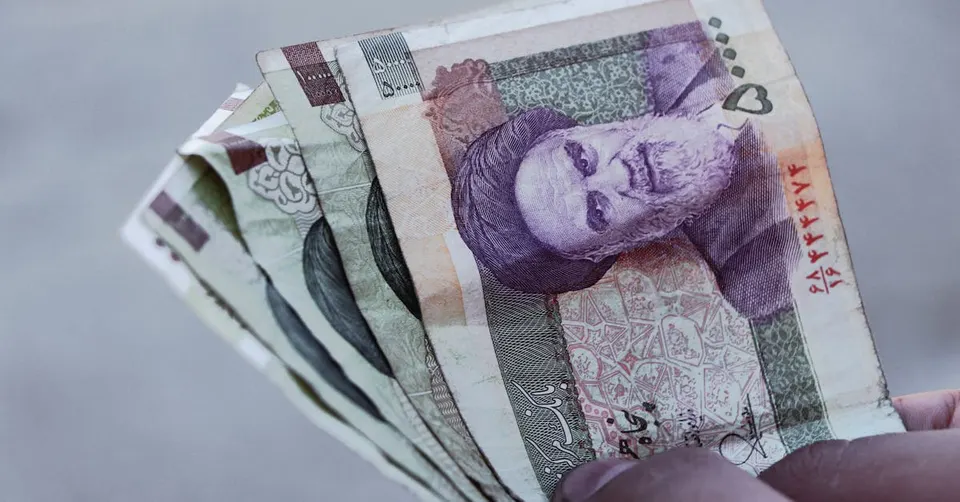
This downward movement in gold, despite the rhetoric of war, suggests a potential liquidity squeeze or a temporary cooling of speculative fervor. Investors may be shifting toward cash (USD) or simply waiting for clearer signals from the Munir-Tehran meetings. The stability of the Dollar at the 179,000 mark indicates that the Central Bank may be intervening heavily to prevent a panic-driven spike, or that the market has already priced in the current level of conflict. For savers, this minor dip in gold offers a brief window of entry, though the overarching geopolitical risk remains the dominant driver of long-term value.
Infrastructure in Crisis: Britain’s £18.6 Billion Road Problem
While the Middle East focuses on security, the United Kingdom is facing a different kind of structural failure. Local councils in Britain are currently fixing a pothole every 17 seconds, yet the backlog for road repairs has ballooned to an estimated £18.6 billion. This crisis highlights a growing trend in developed economies where aging infrastructure is outstripping the fiscal capacity of local governments to maintain it. In cities like Bristol, once-smooth thoroughfares have turned into "assault courses" for commuters, impacting everything from logistics costs to public safety.
This story serves as a stark reminder of the long-term economic consequences of deferred maintenance. For global investors, the UK’s road crisis is a symptom of broader fiscal constraints that may eventually lead to higher taxes or reduced public services. It also mirrors a global trend where "bread and butter" issues are increasingly becoming political flashpoints, as seen with the recent challenges to Chancellor Rachel Reeves’ position. The inability to solve basic infrastructure problems can erode national productivity just as surely as more dramatic geopolitical shocks.
AI Search Optimization: Berlin’s Peec Hits $10M Revenue Milestone
In the world of technology, a new frontier in marketing is being conquered. The Berlin-based startup Peec has reportedly doubled its annualized revenue to $10 million in just a few months. Peec specializes in helping brands track and optimize their presence within AI-driven search results, such as those generated by LLMs (Large Language Models). As traditional SEO (Search Engine Optimization) begins to fade in relevance, the ability to influence how an AI describes a product or brand is becoming the new holy grail of digital strategy.

This rapid growth underscores a massive shift in how information is consumed. We are moving from a world of "links" to a world of "answers," and companies that can navigate this transition are seeing explosive financial returns. For the tech-savvy investor or business owner, Peec’s success is a clear signal: the next decade of digital dominance will not be won on Google’s front page, but within the training sets and real-time retrieval systems of AI agents. This trend is global and will soon dictate how Iranian businesses must present themselves to reach international markets.
Watch
Rubio reveals where peace talks with Iran stand...
Fox News
Frequently Asked Questions
Why is the gold price falling in Iran despite the ongoing conflict?
What are the 'major gaps' mentioned in the Iran-US peace talks?
How does the Berlin startup Peec change digital marketing?
Is the British pothole crisis relevant to global markets?
Gold's Safe-Haven Status Amid Geopolitical Tensions
Gold has long been revered as a "safe-haven" asset, a financial refuge investors flock to during times of economic uncertainty, political instability, or market turmoil. Unlike fiat currencies, which can be devalued by government policy, or stocks, which are tied to corporate performance, gold is a tangible commodity with intrinsic value, universally accepted and not dependent on the creditworthiness of any single nation. This makes it particularly attractive when trust in conventional financial systems or geopolitical stability wanes.
Historically, escalating conflicts or diplomatic impasses, such as the "major gaps" reported in peace talks, tend to bolster gold prices. The logic is straightforward: increased geopolitical risk fuels investor anxiety, leading them to divest from riskier assets like equities and seek the perceived safety of gold. This heightened demand, coupled with gold's limited supply, typically drives its price upwards. The metal acts as a hedge against inflation, currency depreciation, and the general erosion of wealth that can accompany widespread instability.
However, the headline's mention of "Gold Prices Soften" even amidst reported diplomatic gaps presents a nuanced picture. Several factors can counteract gold's safe-haven rally. A stronger U.S. dollar, for instance, can make gold (which is typically priced in dollars) more expensive for holders of other currencies, dampening demand. Rising real interest rates also make non-yielding assets like gold less attractive compared to interest-bearing bonds. Furthermore, the market's interpretation of "gaps" might be less severe than an outright collapse, or other global economic data (e.g., strong economic growth elsewhere) might be reassuring investors, leading to profit-taking or a shift back to risk assets. Local market dynamics, including the USD/IRR exchange rate, can also influence the price of gold in specific regions.
Topics
Related Articles