Muscat Mediation: Araghchi Navigates 'Deep Mistrust' with US While Rejecting UAE Nuclear Strike Claims
دیپلماسی مسقط در میان غبار بدبینی؛ رد اتهام حمله به نیروگاه امارات و رایزنیهای فشرده عراقچی
Iranian Foreign Minister Abbas Araghchi engages in high-stakes diplomacy in Oman and with the UN, while Tehran vigorously denies US-led allegations of a drone strike on the UAE's Barakah nuclear plant.
At time of publishing
USD
179,000
Toman
Gold 18K
19.54M
Toman / gram
Bitcoin
$74,539
US Dollar
Tether
17,714.9
Toman
The Muscat Channel: Diplomacy Amidst Deep Mistrust
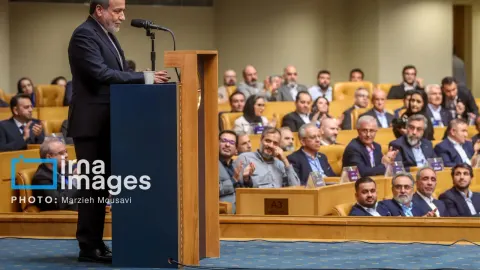
Iranian Foreign Minister Abbas Araghchi has touched down in Muscat for pivotal discussions with his Omani counterpart, Badr bin Hamad Al Busaidi. This visit is not merely a courtesy call; it represents the most critical diplomatic effort currently underway to bridge the chasm between Tehran and Washington. Araghchi’s rhetoric remains cautious, emphasizing a "deep mistrust" of the United States despite the active mediation role being played by Pakistan and Oman. The focus is clear: exploring whether a sustainable framework for de-escalation can survive the current regional volatility.
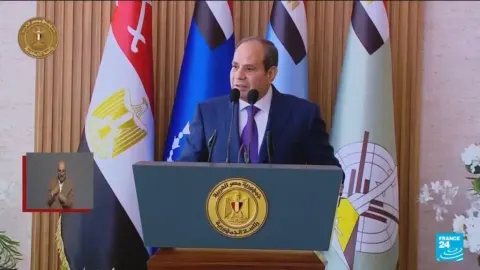
Simultaneously, Araghchi held a significant phone conversation with UN Secretary-General Antonio Guterres. During this call, the Foreign Minister reiterated that while Iran is engaged in the diplomatic process, it does not labor under any illusions regarding American intentions. For the Iranian markets, this diplomatic flurry is a double-edged sword. While the presence of a channel prevents a total collapse of sentiment, the lack of a concrete breakthrough keeps the USD/IRR exchange rate pinned at high levels, as traders wait for a signal that is more than just "talks about talks."

Nuclear Allegations and Regional Friction
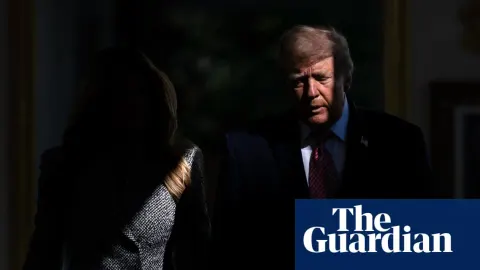
Adding a layer of complexity to the diplomatic mission, Tehran has officially rejected US allegations linking Iran to a purported drone attack on the Barakah Nuclear Power Plant in the United Arab Emirates. The Iranian mission to the UN characterized these claims as a coordinated effort by Washington and Israel to destabilize the region and provide a pretext for further sanctions or military posturing. This denial is crucial, as any confirmed aggression against a civilian nuclear facility would likely trigger a massive shift in global energy prices and regional security alliances.
The timing of these allegations is particularly sensitive. By injecting the Barakah incident into the news cycle just as Araghchi meets with Omani mediators, the US appears to be raising the stakes of the negotiation. Iran, however, maintains that it is the US presence and Israeli actions that are the primary sources of regional insecurity. This friction point suggests that while the diplomatic door is open, the path to a deal is littered with geopolitical landmines that could derail progress at any moment.
Agricultural Corridors: Food Security as a Strategic Tool
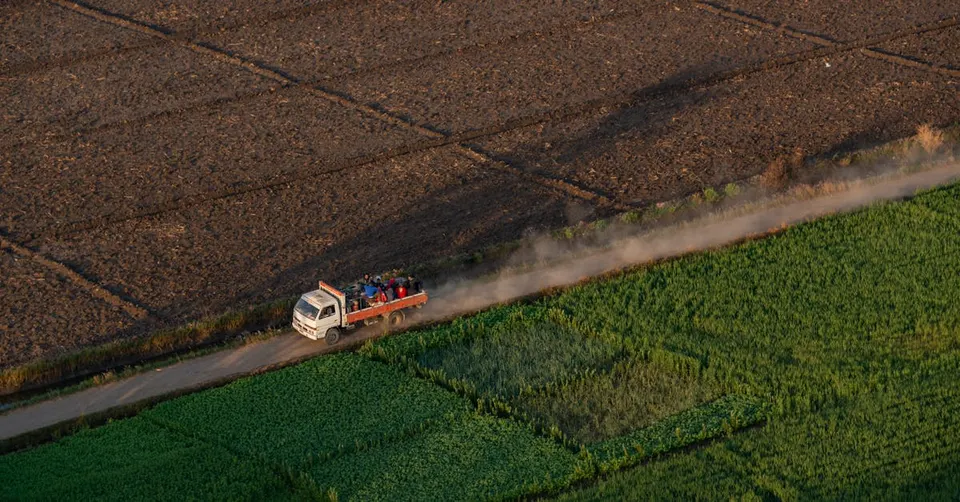
While the headlines are dominated by nuclear plants and secret meetings, Minister of Agricultural Jihad Gholamreza Nouri Ghezeljeh is focusing on a different kind of security: food. During recent discussions, Ghezeljeh highlighted the expanding trade capacities between Iran and Pakistan, framing sustainable food security as a regional priority. This is more than just trade; it is an attempt to build a resilient economic bloc that can withstand Western-led sanctions by securing essential supply chains within the neighborhood.
For the average Iranian citizen, this strategy is vital for controlling domestic inflation. By diversifying agricultural sources and strengthening ties with Islamabad, the government hopes to stabilize the prices of basic commodities. As global supply chains remain fractured by conflicts in Europe and the Middle East, Iran’s pivot toward regional self-reliance in food production acts as an economic buffer, though its success remains heavily dependent on the stability of the Toman and the efficiency of cross-border logistics.
Retaliation Vows and Global Risk Sentiment
On the broader geopolitical stage, Vladimir Putin has vowed retaliation after accusing Ukraine of striking a student dormitory in a Moscow-occupied region. Ukraine, meanwhile, claims it successfully targeted Russia’s elite "Rubicon" drone military unit. This escalation in the North continues to cast a long shadow over global markets. When the Kremlin speaks of retaliation, the risk premium on everything from crude oil to gold tends to rise, as investors fear a spillover that could involve NATO or disrupt major energy transit routes.
Closer to home, reports from Gaza flotilla activists alleging abuse by Israeli forces while in detention have further inflamed regional tensions. These stories of slap, humiliation, and violence add fuel to the fire of public sentiment across the Middle East, making it politically difficult for regional governments to pursue any normalization or cooling of tensions. For the Iranian market, this means the "war risk" premium is unlikely to evaporate anytime soon, keeping gold prices—currently at 19,541,530 Toman per gram—highly sensitive to every headline from the Mediterranean to the Black Sea.
Market Pulse: Toman Holds Steady as Gold Softens
As of 12:00 Tehran time, the currency market remains in a state of suspended animation. The USD is selling at 179,000 Toman, showing no change (0.0%) over the last 24 hours. This stagnation reflects a market that has priced in the current diplomatic deadlock but lacks the catalyst to move lower. The Euro and British Pound follow suit, trading at 207,800 and 240,700 respectively. Traders are clearly in a "wait and see" mode, watching Muscat for any sign of a breakthrough that could justify a revaluation of the national currency.
In the precious metals sector, we see a slight cooling. Gold 18k per gram has moved from 19,653,261 to 19,541,530 Toman, a decrease of 0.6%. Similarly, the Emami coin has dipped 0.5% to 191,000,000 Toman. This minor softening in gold prices, despite the global geopolitical tension, suggests that local liquidity is tight and some investors may be profit-taking after recent highs. Bitcoin remains a outlier in the global landscape, holding at $74,539 as ETF outflows suggest a period of accumulation for patient investors rather than a panic sell-off.
Frequently Asked Questions
Why is the Oman visit significant for the Iranian Rial?
What are the implications of the alleged drone strike on the UAE's Barakah plant?
How does the food security deal with Pakistan affect the average consumer?
Why did gold prices drop despite rising global tensions?
The Art of Diplomatic Mediation: Bridging Divides Through Neutral Facilitation
In the complex tapestry of international relations, where "deep mistrust" often characterizes interactions between adversarial states, diplomatic mediation emerges as a critical tool for de-escalation and dialogue. As highlighted by Oman's consistent role in facilitating discussions between the United States and Iran, mediation involves a neutral third party stepping in to help conflicting parties communicate, negotiate, and ultimately find common ground. This process is not about dictating terms but about creating a safe space for dialogue, reducing misunderstandings, and exploring pathways to resolution that might otherwise be impossible through direct engagement.
At its core, diplomatic mediation relies on the mediator's impartiality and the willingness of the disputing parties to engage. The mediator acts as a trusted go-between, conveying messages, clarifying positions, and sometimes proposing creative solutions without taking sides. Their role is to facilitate, not to force. This often involves shuttle diplomacy, where the mediator travels between capitals, or hosting direct talks in a neutral location. The goal is to build incremental trust, identify shared interests (even amidst profound disagreements), and slowly chip away at the barriers that prevent direct communication, such as historical grievances or ideological differences.
The strategic importance of diplomatic mediation cannot be overstated, particularly in volatile regions or when the stakes are high, such as preventing military escalation or ensuring regional stability. For instance, Oman's long-standing tradition of quiet diplomacy has been instrumental in numerous sensitive situations, including earlier stages of the Iran nuclear deal negotiations. By offering a discreet channel, mediators help prevent miscalculations, manage crises, and explore avenues for peace that protect all parties' essential security and economic interests, thereby mitigating risks to global trade, energy supplies, and broader international security.
Despite its vital role, diplomatic mediation faces significant challenges, including the inherent difficulty of overcoming deeply entrenched animosities and divergent strategic objectives. Success often hinges on the mediator's credibility, the parties' genuine commitment to finding a solution, and external factors influencing their willingness to compromise. Yet, as geopolitical tensions persist and new crises emerge, the demand for skilled and trusted mediators remains constant, underscoring mediation's enduring relevance as a cornerstone of peaceful conflict resolution in the 21st century.
Topics
Related Articles