Golestan’s Harvest Hope Amid Regional Tensions and a $2.2 Billion Bitcoin ETF Exodus
امید به برداشت محصول در گلستان همزمان با تنشهای منطقهای و خروج ۲.۲ میلیارد دلاری از صندوقهای بیتکوین
While record spring rains revive Iran's northern farmlands, diplomatic warnings at the UN and a massive sell-off in Bitcoin ETFs are shaping the global economic narrative this Saturday.
At time of publishing
USD
178,100
Toman
Gold 18K
19.44M
Toman / gram
Bitcoin
$74,655
US Dollar
Tether
17,630
Toman
Spring Revival in Golestan: A Boon for Food Security
Continuous rainfall over the past two months has fundamentally transformed the agricultural outlook for Iran’s northern Golestan province. Exceeding normal seasonal levels, these rains have breathed new life into rain-fed agriculture, providing a much-needed boost to local farmers who manage over 650,000 hectares of diverse farmland. As one of the country’s top producers of 15 essential agricultural products, including wheat and oilseeds, the revival of Golestan’s soil is more than just a local success story; it is a critical component of national food security and economic resilience during a period of high inflation.
For the average Iranian reader, this agricultural surge offers a glimmer of hope for stabilizing food prices in the coming quarters. When domestic production thrives, the reliance on expensive imports—often tied to the volatile fluctuations of the US Dollar—decreases. This natural bounty acts as an internal hedge against external economic pressures, potentially easing the supply-side constraints that have historically driven up the cost of living in urban centers like Tehran and Mashhad.

Diplomatic Pressure and the 'Risk Premium' in Tehran
On the geopolitical front, the atmosphere remains charged as Iran’s Ambassador to the United Nations, Amir Saeid Iravani, issued a stern warning to regional neighbors. Addressing the UN in New York, Iravani stated that countries along the southern Persian Gulf and Jordan must be held accountable for any role they play in assisting US or Israeli military actions against Iran. This rhetoric follows a high-profile cultural event at Tehran’s Azadi Tower, attended by Minister Abbas Salehi, which honored those killed in recent hostilities, further cementing the domestic narrative of resistance and vigilance.
This heightened diplomatic tension directly translates into what traders call a "risk premium" in the currency markets. While the USD/IRR saw a slight cooling today, moving from 179,000 to 178,100 (-0.5%), the underlying sentiment remains cautious. Investors are closely watching whether these verbal warnings escalate into physical disruptions of trade routes or energy corridors, which would immediately reverse any short-term gains in the Toman’s value. The market is currently in a 'wait-and-see' mode, balancing positive domestic agricultural news against the shadow of regional conflict.
---
Bitcoin Bleeds as Spot ETFs See Massive Outflows
The cryptocurrency market is facing a significant correction this week, with Bitcoin (BTC) sliding to the $74,655 range. This downward pressure is largely attributed to a massive exodus from U.S.-listed spot Bitcoin ETFs, which have seen more than $2.26 billion in outflows over the past fortnight. The initial euphoria surrounding institutional adoption appears to be hitting a wall of profit-taking and macroeconomic uncertainty, as investors move toward safer havens amid global geopolitical instability and shifting interest rate expectations.
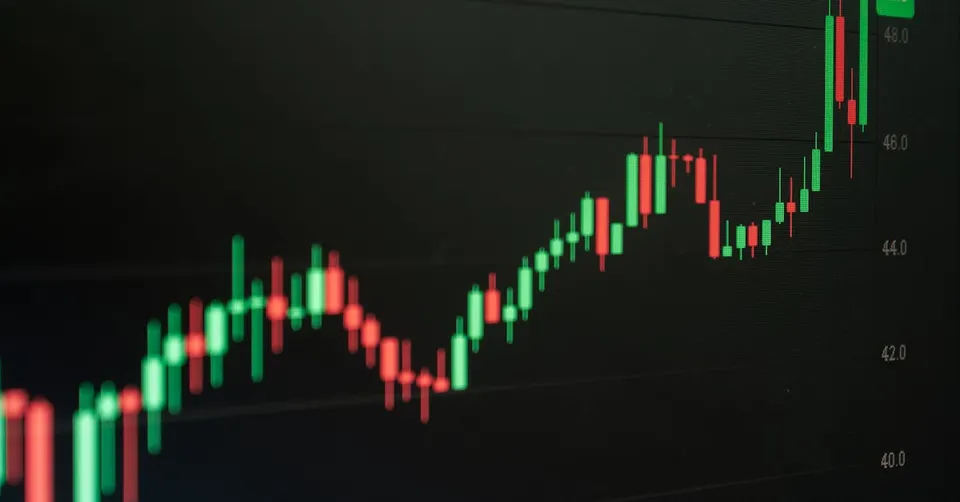
In the local Iranian market, the price of Tether (USDT) stands at 17,630 Toman, reflecting the broader cooling of the dollar. Meanwhile, gold has followed the global trend of consolidation; 18k gold per gram dropped from 19,653,261 to 19,443,649 Toman (-1.1%), and the Emami coin fell from 192,000,000 to 189,000,000 Toman (-1.6%). For crypto enthusiasts and gold bugs alike, the message is clear: the rapid gains of the previous month are being digested, and the market is searching for a new floor before the next major catalyst.
Global Trade Shifts: Mexico and the EU Bypass Washington
In a move that signals a growing trend of global economic decentralization, Mexico and the European Union have finally signed a long-stalled free trade agreement. This deal is a strategic maneuver designed to decrease their collective dependence on the United States, particularly as a defense against the potential for new tariffs under the Trump administration. By diversifying their trade partners, both Mexico and the EU are attempting to insulate their economies from the protectionist shifts occurring in Washington, creating a more multipolar trade environment.
This development is significant for the global economy as it demonstrates that even major US allies are preparing for a world where American trade policy is no longer predictable. For Iran, which has long sought to navigate a world of sanctions and trade barriers, these shifts in global alliances provide interesting precedents. As major economies like the EU and Mexico build 'tariff-proof' bridges, the global financial system becomes more fragmented, potentially opening new, albeit complex, avenues for secondary trade and diplomatic maneuvers outside of the traditional US-led framework.
Frequently Asked Questions
How does the rain in Golestan affect the price of USD in Tehran?
Why is Bitcoin dropping despite being near its all-time highs?
What was the significance of the Mexico-EU trade deal signed this Friday?
Capital Flight: When Money Seeks Safer Harbors
Capital flight refers to the rapid outflow of assets or money from a country, often due to a loss of confidence in its economic or political stability. Investors, both domestic and foreign, move their capital abroad or into alternative, perceived-safer assets when they anticipate currency depreciation, political upheaval, or economic downturns. This movement can be driven by a desire to protect wealth from inflation, avoid potential taxes or sanctions, or simply seek higher, more stable returns elsewhere.
This phenomenon manifests in various ways. Domestically, it can lead to a rush to convert local currency into more stable foreign currencies, driving down the value of the national currency (as seen with the USD/IRR price fluctuations). It also often fuels demand for traditional safe havens like gold, pushing up local gold prices. Globally, the "Bitcoin ETF exodus" mentioned in the headline, while distinct, illustrates the broader principle of capital seeking new homes when perceived risks in existing markets rise, even if those new homes are volatile cryptocurrencies.
The consequences of significant capital flight can be severe for an economy. It depletes a nation's foreign exchange reserves, making imports more expensive and potentially hindering a country's ability to finance essential goods. It also reduces the pool of capital available for domestic investment, stifling economic growth, increasing borrowing costs for businesses, and contributing to inflation. For a country like Iran, facing regional tensions and warnings, such outflows can exacerbate existing economic vulnerabilities.
Crucially, capital flight can directly undermine national food security. A depreciating currency makes imported food and agricultural inputs (like fertilizers or machinery) significantly more expensive. This raises production costs for local farmers, pushes up retail food prices, and can strain government budgets allocated for food subsidies or imports, ultimately impacting the affordability and availability of food for the general population. Understanding capital flight is key to grasping how global and regional uncertainties translate into tangible challenges for everyday life.
Topics
Related Articles