US Fuel Prices Unlikely to Drop Soon Despite Iran War Hopes; IRGC Navy Secures Strait of Hormuz
قیمت سوخت آمریکا بعید است به زودی کاهش یابد؛ نیروی دریایی سپاه تنگه هرمز را امن کرد
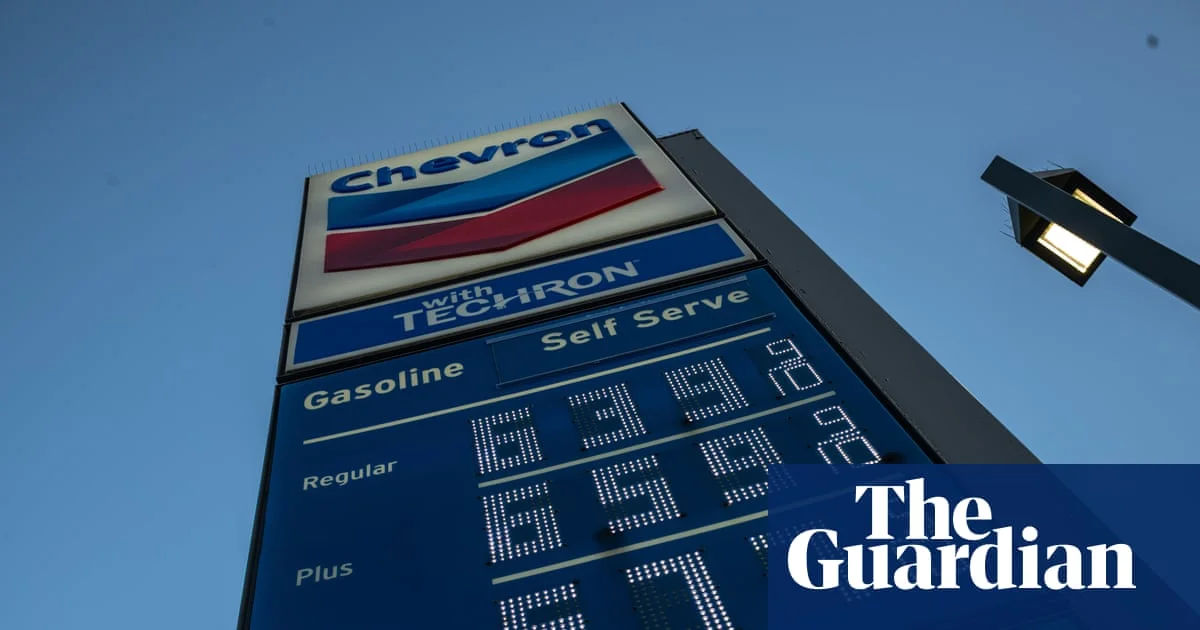
Despite potential de-escalation in the Iran conflict, US fuel prices are not expected to return to pre-war levels this year, impacting inflation and consumer sentiment. Meanwhile, the IRGC Navy reported successful navigation of 25 vessels through the Strait of Hormuz, signalling continued operational control in a key global waterway.
At time of publishing
USD
178,900
Toman
Gold 18K
19.53M
Toman / gram
Bitcoin
$74,719
US Dollar
Tether
17,673.3
Toman
US Fuel Prices Set to Remain High Despite Iran War Outlook
The ongoing conflict involving Iran, now entering its third month, continues to exert pressure on global energy markets, with US fuel prices showing little sign of returning to pre-war levels. Even if a lasting peace deal were to be brokered imminently, analysts and reports suggest that consumers should brace for elevated prices throughout the remainder of 2026. This persistent inflation at the pump is a significant driver of public discontent, with political figures like Donald Trump facing backlash over the economic impact.

This situation has direct implications for the Iranian economy, potentially prolonging the effects of sanctions and international economic isolation. While the direct impact on Iranian consumers might differ due to domestic subsidies and different market dynamics, the global price of oil and refined products influences trade, currency valuations, and overall economic confidence. The expectation of sustained high fuel costs in major economies like the US can also affect demand for Iranian exports and the willingness of international partners to engage in trade, thereby reinforcing the need for domestic economic resilience.
IRGC Navy Asserts Control Over Strait of Hormuz
The Islamic Revolution Guards Corps (IRGC) Navy announced on Saturday that it had facilitated the passage of 25 vessels through the Strait of Hormuz within the past 24 hours. This included oil tankers, container ships, and other commercial traffic, all of which reportedly received authorization and security protection from the IRGC Navy. This assertion of control over one of the world's most critical oil transit points aims to project an image of stability and operational capability amidst regional tensions.
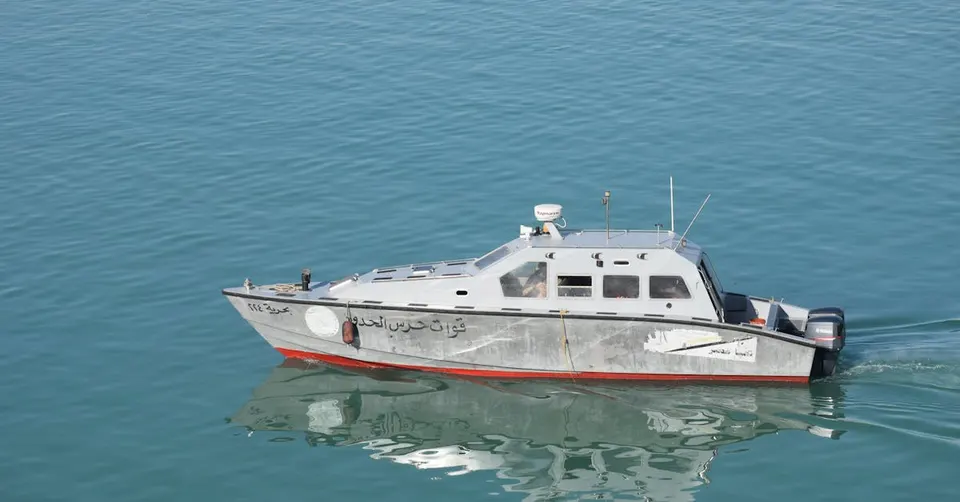
The significance of this development for Iran lies in its demonstration of continued maritime authority and its ability to ensure the flow of traffic through this vital chokepoint. For global markets, it signals that despite geopolitical complexities, the primary routes for oil transport remain functional under IRGC oversight. This can provide a degree of reassurance to energy markets, potentially mitigating extreme price volatility that might otherwise arise from perceived threats to the strait. However, it also underscores the ongoing strategic importance of the Strait of Hormuz and the IRGC's role in managing maritime traffic within it, a factor that continues to shape regional security dynamics.
Iran Denounces US Interference in Cuba
Iran's Ministry of Foreign Affairs has issued a strong statement condemning what it termed 'persistent interference' by the United States in Cuba's internal affairs. This diplomatic move by Tehran aligns with its broader foreign policy stance, often critical of US global influence and perceived interventions in sovereign nations. The statement highlights a continued solidarity between Iran and Cuba, both of which have faced significant US sanctions and diplomatic pressure.

This denunciation serves multiple purposes for Iran. Firstly, it reinforces its position as a critic of US foreign policy on the international stage, potentially seeking to garner support from other nations wary of American dominance. Secondly, it strengthens diplomatic ties with Cuba, a country that has historically supported Iran in international forums. For the Iranian public and markets, such statements, while not directly impacting daily economic life, contribute to a narrative of resistance against perceived external pressures, potentially bolstering national sentiment and influencing perceptions of geopolitical alignments. It also serves as a reminder of the complex web of international relations and alliances that continue to shape global events, including economic sanctions and trade policies that indirectly affect Iran.
Frequently Asked Questions
Why are US fuel prices expected to remain high even if the Iran conflict ends?
What is the significance of the IRGC Navy's announcement regarding the Strait of Hormuz?
How does Iran's denouncement of US actions in Cuba affect its own economy?
What is the current trend for the US Dollar against the Iranian Toman?
Have gold prices changed significantly in the last 24 hours?
The Strait of Hormuz: Global Oil's Vital Chokepoint
The Strait of Hormuz is a narrow, strategically vital waterway connecting the Persian Gulf to the Arabian Sea and the broader Indian Ocean. Though it appears on maps as a modest stretch of water, its geopolitical significance is immense. Approximately one-fifth of the world's total petroleum consumption, and a third of all seaborne traded oil, passes through this strait daily. This includes the vast oil exports from major producers such as Saudi Arabia, Iran, Iraq, Kuwait, and the United Arab Emirates, making it an indispensable artery for global energy supply.
Its critical importance stems from the fact that there are limited alternative routes for tankers to transport crude oil and liquefied natural gas (LNG) from the Persian Gulf to international markets. This geographical reality transforms the Strait of Hormuz into a crucial "chokepoint"—a narrow channel or passage through which traffic must pass, making it vulnerable to disruption. Any significant blockage or threat to shipping in this area can have immediate and far-reaching consequences for global energy security and prices.
Even the mere threat of conflict or heightened geopolitical tensions involving the Strait of Hormuz can send shockwaves through international energy markets. Traders and investors react to potential supply disruptions by driving up oil futures prices, which quickly translates into higher fuel costs for consumers worldwide, including in the United States. This direct link between geopolitical stability in the Strait and global energy prices highlights why events involving actors like the IRGC Navy, as mentioned in the headline, are closely watched indicators for energy market analysts and policymakers alike. Understanding this chokepoint is key to comprehending the volatility of global oil prices and their impact on inflation.
Topics
Related Articles