
Magnificent Growth: Analysts Eye 7 Top Stocks as Fed’s Warsh Holds Rates Steady
رشد خیرهکننده در بازارهای جهانی؛ تحلیلگران ۷ سهم برتر را معرفی کردند
While the Federal Reserve signals a pause on rate cuts under new Chair Kevin Warsh, analysts are doubling down on high-growth earnings potential in specific tech and solar sectors. Meanwhile, Tehran’s local markets see a slight correction as gold and USD prices soften amid shifting regional dynamics.
At time of publishing
USD
178,400
Toman
Gold 18K
19.49M
Toman / gram
Bitcoin
$74,863
US Dollar
Tether
17,678.7
Toman
The Search for Yield in a High-Rate Era
As the global financial landscape shifts into the second half of May 2026, investors are increasingly looking past broad market indices to find specific drivers of growth. According to recent analyst evaluations, a select group of seven stocks is emerging as the new "Magnificent" favorites for earnings growth. This surge in interest comes at a time when traditional safe havens are being re-evaluated. Interestingly, while high-profile figures like Elon Musk appear to be pivoting away from terrestrial solar energy toward natural gas and orbital data centers, market analysts have identified a major solar stock that has just hit a critical "buy point." This divergence suggests that while the celebrity tech elite may be chasing the next frontier, the institutional money is still finding massive value in the green energy transition and foundational tech infrastructure.
For the average investor, this means that the "rising tide lifts all boats" era of the early 2020s has been replaced by a "stock-picker's market." The companies identified are not just riding momentum; they are demonstrating robust earnings growth that justifies their current valuations even as borrowing costs remain elevated. This focus on fundamentals is a direct response to the Federal Reserve's current stance, where the era of cheap money is firmly in the rearview mirror. For those holding assets in Iranian Toman, this global search for yield often dictates the flow of capital into and out of emerging markets, indirectly influencing the liquidity of the local USD and gold markets.
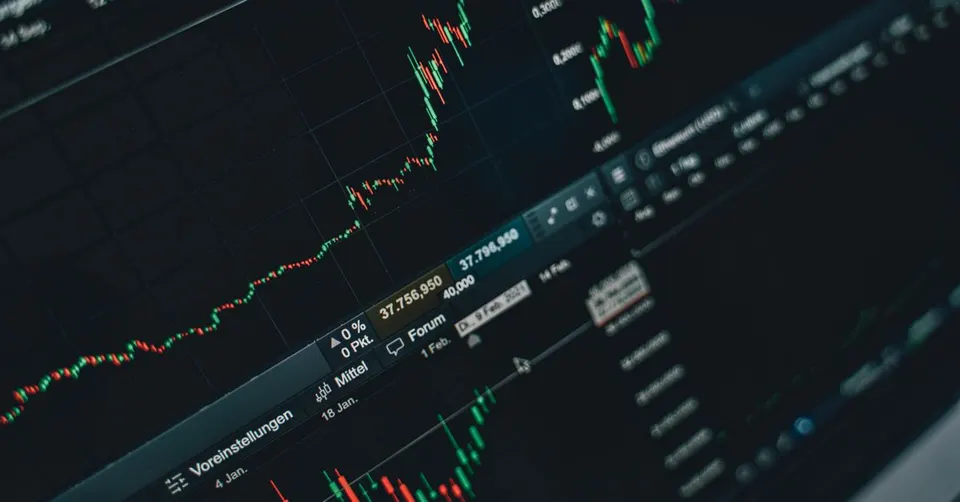
The Warsh Era and the Fed's Inflation Fight
The swearing-in of Kevin Warsh as the new Chair of the Federal Reserve has introduced what some are calling the "Warsh Curse"—a historical tendency for new central bank leaders to be greeted by market volatility. Warsh has made it clear that the Fed is not in a position to cut interest rates anytime soon, citing a resurgence in inflation that has proven stickier than many anticipated. However, he has also signaled that a rate hike is not currently on the table, leaving the markets in a state of high-altitude stabilization. This "higher for longer" approach is designed to crush demand just enough to cool prices without triggering a full-scale recession, but it places a significant burden on portfolios that were positioned for a pivot.
In the local Tehran market, this hawkish global outlook has contributed to a cooling effect. The USD/IRR exchange rate moved from 179,000 to 178,400, a modest decrease of 0.3%. Similarly, Gold 18k per gram saw a 0.8% dip, falling from 19,653,261 to 19,487,280 Toman. These corrections suggest that the domestic market is taking a breather as the global strength of the dollar remains intact, making it more expensive for local traders to maintain aggressive long positions. When the Fed refuses to cut rates, the global dollar remains strong, which often acts as a ceiling for speculative gold rallies, as seen in the current Emami coin price of 188,500,000 Toman, down 1.8% over the last 24 hours.

Geopolitical Tensions and the Anti-Elite Shift
Beyond the trading floors, geopolitical shifts in Asia are creating new friction points for global trade. In South Korea, a corporate compliance dispute involving Coupang—often called the "Amazon of South Korea"—is testing the resilience of the U.S.-South Korean alliance. This tension highlights a growing trend where national governments are increasingly willing to challenge major tech conglomerates to protect domestic interests or enforce local regulations. This is not an isolated incident; in India, the government has ordered the handover of the exclusive Delhi Gymkhana Club, a move seen as part of Prime Minister Narendra Modi’s broader campaign against entrenched elite institutions.
These developments matter because they signal a shift toward economic nationalism and the dismantling of traditional power structures. For global markets, this introduces a new layer of risk: regulatory unpredictability. Whether it is a dispute over retail dominance in Seoul or the seizure of elite real estate in New Delhi, the message is clear: the "old guard" and global tech giants no longer have a free pass. As these tensions simmer, they influence risk appetite across the board. For the Iranian reader, these shifts in the Asian economic landscape are vital to track, as the "Look to the East" policy makes Iran increasingly sensitive to the regulatory and political stability of its primary trading partners in the region.
Frequently Asked Questions
Why are analysts focusing on these 7 specific stocks now?
Who is Kevin Warsh and how does his Fed leadership affect the Rial?
What is the significance of the Coupang dispute in South Korea?
Understanding the "Magnificent Seven" Stocks and Their Market Influence
The "Magnificent Seven" refers to a select group of mega-cap technology and growth stocks that have disproportionately driven stock market performance in recent years. This unofficial moniker, reminiscent of the 1960 Western film, typically includes Apple, Microsoft, Alphabet (Google), Amazon, Nvidia, Meta Platforms (Facebook), and Tesla. These companies are characterized by their immense market capitalization, dominant positions in their respective industries, rapid growth trajectories, and significant influence on major market indices like the S&P 500.
The outsized performance of these seven companies has led to a phenomenon known as market concentration. Their combined weight in broad market indices means that their movements can heavily dictate the overall direction of the stock market. For instance, if these few stocks perform exceptionally well, they can mask weaker performance from a broader range of smaller companies, giving the impression of a robust market even if underlying breadth is narrow. This concentration presents both opportunities for investors who hold these stocks and risks related to portfolio diversification.
Several factors contribute to the "Magnificent Seven's" success. They often benefit from strong network effects, deep pools of capital for innovation, global reach, and robust business models that have proven resilient through various economic cycles. However, their high valuations also make them particularly sensitive to changes in economic conditions, such as interest rate hikes or holds by central banks like the Federal Reserve. Higher interest rates can make future earnings less attractive and increase borrowing costs, potentially dampening the growth prospects of these high-flying companies and making investors re-evaluate their premium valuations.
Understanding the "Magnificent Seven" is crucial for any investor or market observer today. Their continued dominance raises questions about market health, diversification strategies, and the sustainability of their growth. While they represent innovation and economic power, their collective influence underscores the importance of analyzing both individual company fundamentals and broader macroeconomic trends when making investment decisions.
Topics
Related Articles