Trump’s China Pivot Rattles India as Rubio Seeks Energy Deals; Tehran Markets Enter Correction Phase
چرخش ترامپ به سمت چین و مأموریت دشوار روبیو در دهلی؛ عقبنشینی قیمتها در بازار طلا و ارز تهران
Secretary of State Marco Rubio faces a diplomatic tightrope in Delhi as India fears a US-China partnership, while Tehran's currency and gold markets see a cooling trend. Meanwhile, a widening Ebola outbreak in the DRC and Trump's deregulation of AI safety are reshaping the global risk landscape.
At time of publishing
USD
178,400
Toman
Gold 18K
19.48M
Toman / gram
Bitcoin
$75,376
US Dollar
Tether
17,598.4
Toman
The Delhi Dilemma: Rubio’s High-Stakes Balancing Act
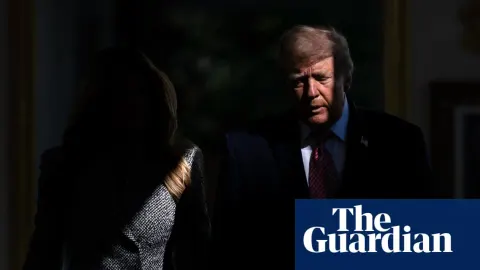
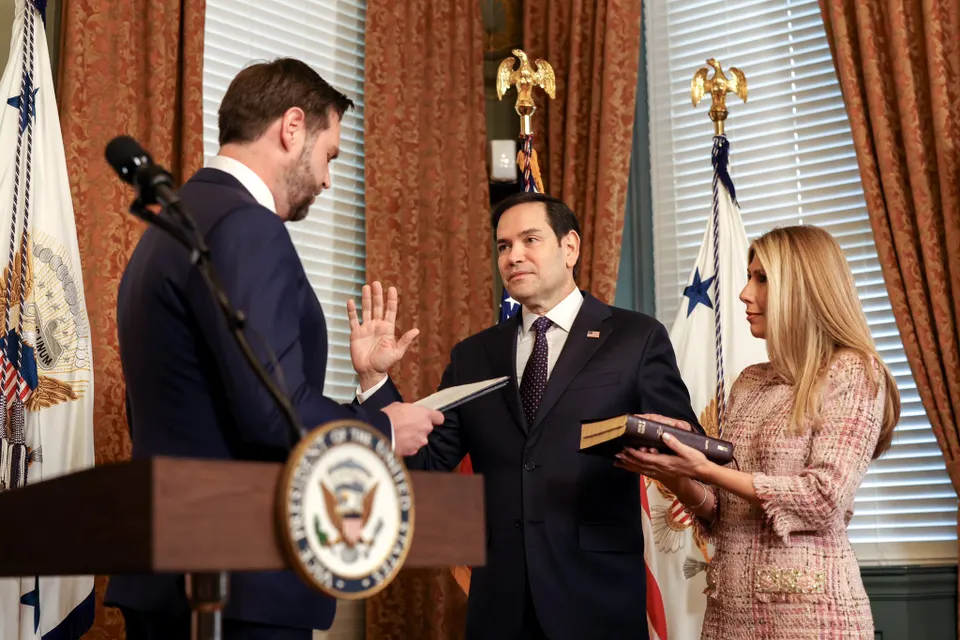
Secretary of State Marco Rubio has arrived in New Delhi with what diplomats are calling a "gargantuan task": repairing the fraying ties between the United States and India. The friction stems from President Trump’s recent overtures toward a strategic partnership with China, a move that has sent shockwaves through the Indian government. Prime Minister Modi’s administration, which has long positioned India as the primary democratic counterweight to Beijing in Asia, now faces the unsettling prospect of being sidelined by a Washington-Beijing detente. Rubio must convince Delhi that the U.S. remains a reliable partner even as the White House pursues a more transactional relationship with its greatest rival.
Central to these talks is the energy crisis exacerbated by the ongoing conflict involving Iran. Rubio is reportedly pushing for massive U.S. energy exports to India to fill the void left by disrupted regional supply chains. For Iranian observers, this shift is critical; it signals a long-term U.S. strategy to permanently decouple major Asian economies from Iranian hydrocarbons. If the U.S. successfully positions itself as India’s primary energy guarantor, the leverage Tehran once held over global oil markets through its proximity to major buyers could be significantly diminished, regardless of the outcome of current peace mediations.
Tehran Markets: A Cooling Trend Amid Diplomatic Fog
While geopolitics remains volatile, the domestic Iranian market has shown signs of a much-needed correction. In the last 24 hours, the US Dollar in the Tehran open market moved from 179,000 to 178,400 Toman, marking a 0.3% decline. This cooling is even more pronounced in the gold sector, where the benchmark Emami coin dropped from 192,000,000 to 188,500,000 Toman, a significant 1.8% decrease. Analysts suggest this pullback is a reaction to the saturation of recent highs and a cautious optimism surrounding the presence of international mediators in Tehran. However, the market remains on a knife-edge as no definitive breakthrough in ceasefire talks has been announced.
This downward movement provides a brief window of relief for local businesses, though the underlying inflationary pressures remain tied to the broader geopolitical climate. Gold 18k followed the trend, falling from 19,653,261 to 19,476,430 Toman per gram (-0.9%). Investors are currently shifting their focus toward global cues, including the historic highs in international gold prices, which currently sit at $4,510.50 per ounce. The disconnect between domestic cooling and global strength suggests that local factors—specifically currency stability—are currently the primary drivers of the Iranian market sentiment.
Global Alarms: Ebola Outbreaks and AI Deregulation
Beyond the Middle East, two major stories are reshaping global risk assessments. In the Democratic Republic of Congo (DRC), a new and aggressive strain of the Ebola virus is spreading at an alarming rate. Healthcare facilities in the region are reportedly at full capacity, and aid groups are warning that the outbreak is far larger than official numbers suggest. The Trump administration has responded by pausing the removal of detainees to the DRC, highlighting the severity of the situation. This health crisis has the potential to disrupt central African trade routes and divert international aid resources, adding another layer of instability to an already stressed global economy.

Simultaneously, President Trump has made a controversial U-turn on artificial intelligence policy. Just hours before he was expected to sign an executive order requiring safety reviews for new AI models, the President abruptly backed out, citing the need to maintain American dominance over China. This decision effectively grants Big Tech "unchecked power" to release advanced models without government oversight. For the tech sector and global markets, this means a faster pace of innovation but also heightened systemic risks. As AI becomes further integrated into financial infrastructure, the lack of a safety net could lead to unpredictable market behaviors that regulators are currently ill-equipped to handle.
Ethical and Legal Shadows: Binance and Abandoned Trials
In the world of digital finance, Binance is once again under the microscope. CEO Richard Teng has formally denied a Wall Street Journal report alleging that $850 million in Iran-linked transactions flowed through the exchange to the IRGC. This denial comes at a sensitive time for the crypto giant as it attempts to maintain compliance in a tightening regulatory environment. Any confirmation of such links could trigger a new wave of sanctions and legal challenges, impacting the liquidity of the USDT/IRT pairs that many Iranian traders rely on for international commerce.
Meanwhile, a more personal but high-profile legal case is unfolding in Europe, where a French mother and her partner are being held for trial after allegedly abandoning her two sons on a roadside in Portugal. While seemingly distant from market news, such stories often impact regional travel policies and social safety discussions within the EU. In a world interconnected by social media and rapid news cycles, these events contribute to the general sense of global social volatility that characterizes the current era.
Frequently Asked Questions
Why is Marco Rubio's visit to India significant for Iran?
What caused the price drop in Tehran's gold and currency markets today?
How does Trump's reversal on AI safety affect global markets?
Understanding Economic Sanctions and Their Impact on Markets
Economic sanctions are punitive measures imposed by one or more countries against a target country, entity, or individual. They are often used as a foreign policy tool to compel a change in behavior, address security concerns, or enforce international norms. These sanctions can take various forms, including trade embargoes, financial restrictions, asset freezes, travel bans, and restrictions on specific sectors like energy or technology. The goal is to exert economic pressure, making it costly for the targeted party to maintain its current policies.
Among the most impactful types are energy sanctions, which specifically target a country's ability to produce, export, or finance its energy sector. For many nations, particularly those rich in oil and gas, energy exports are the primary source of foreign currency revenue. By limiting a country's access to international energy markets or restricting its ability to sell oil and gas, energy sanctions directly cut off a vital financial lifeline. This reduction in hard currency inflows can severely strain a nation's budget, limit its capacity to import essential goods, and create significant economic instability.
The ripple effects of comprehensive economic sanctions, especially those targeting energy, are far-reaching. A direct consequence is often a sharp depreciation of the local currency against major international currencies like the US Dollar (as seen with the USD/IRR exchange rate). With less foreign currency entering the economy, the demand for it outstrips supply, driving down the local currency's value. This devaluation fuels inflation, as imported goods become significantly more expensive. Furthermore, the uncertainty and economic hardship can lead to market volatility, causing local markets (like those in Tehran) to enter a "correction phase" where asset prices, including gold, fluctuate wildly as investors seek safe havens or react to economic forecasts. Sanctions also complicate international financial transactions, forcing countries to seek alternative, often less efficient, trade and payment mechanisms.
Topics
Related Articles