Global Energy Shock: UK Bills Spike Amid Iran War Tensions as Hormuz Military Risks Rise
شوک انرژی در بریتانیا؛ افزایش هزینهها همزمان با تشدید تنشهای نظامی در تنگه هرمز
UK energy bills are set to jump by 13% as the global market reacts to the ongoing conflict with Iran. While Tehran's currency markets remain momentarily stable at 173,000 Toman, renewed military strikes near the Strait of Hormuz signal a deepening 'war premium' on global commodities.
At time of publishing
USD
173,000
Toman
Gold 18K
18.78M
Toman / gram
Bitcoin
$75,654
US Dollar
Tether
172,006
Toman
The Energy War Hits Home: UK Bills Surge
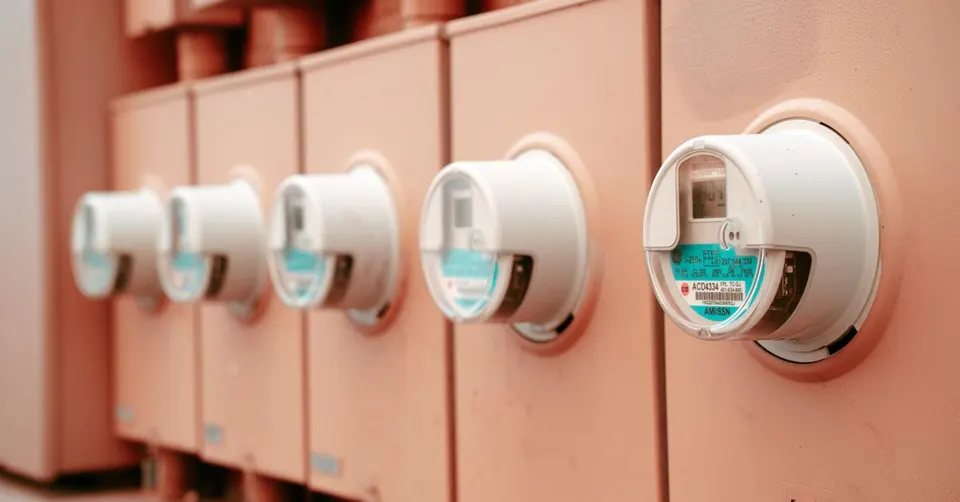
In a stark reminder of how regional conflicts dictate global living costs, the British energy regulator Ofgem has announced a significant 13% increase in the household energy price cap. Starting in July, the average annual bill for gas and electricity in Great Britain will rise by approximately £221, reaching an estimated £1,862. This surge is the steepest summer price hike in four years, a direct consequence of the volatility in international wholesale markets triggered by the escalating war involving Iran. The regulator’s decision reflects the 'war premium' that has become embedded in global energy benchmarks as traders price in the risk of supply disruptions.
For the average consumer, this means that even during the warmer months when energy usage typically drops, the cost of maintaining a household remains punishingly high. This development is not merely a British domestic issue; it serves as a leading indicator for global inflation. When a major economy like the UK adjusts its price caps upward by double digits, it signals that the global energy supply chain is under immense pressure. For Iranian observers, this highlights the paradox of the current situation: while the region is a primary energy producer, the conflict is driving up costs for end-users worldwide, creating a feedback loop of economic strain that eventually impacts trade balances and currency valuations.
Military Escalation at the Strait of Hormuz
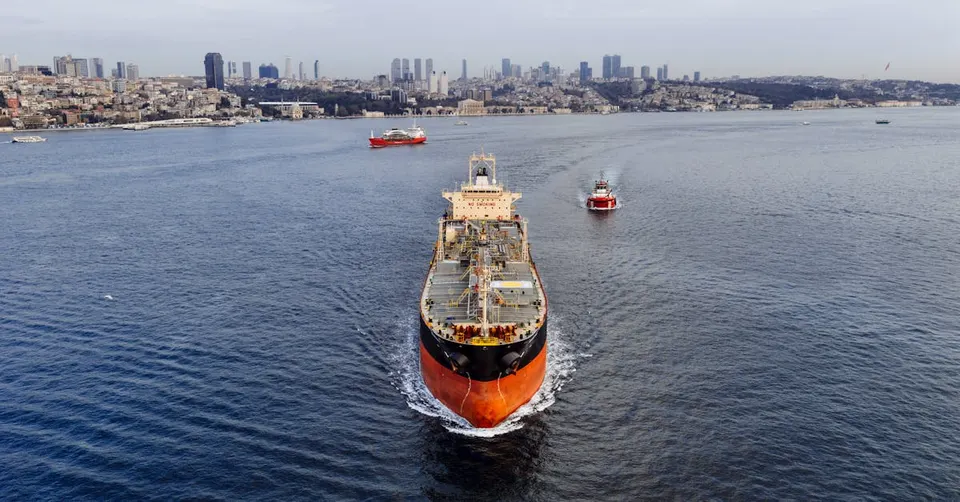
Geopolitical tensions reached a new boiling point this morning as U.S. officials confirmed they had detected specific 'threats' from Iranian forces before renewing military strikes on sites near the Strait of Hormuz. The strikes follow a period of heightened alert and are intended to degrade capabilities that could threaten international shipping lanes. Iran has already issued stern warnings of retaliation, asserting its right to defend its territorial waters and strategic interests. This tit-for-tat escalation near the world's most vital oil chokepoint—through which roughly 20% of the world's petroleum flows—has kept the global community on edge.
The strategic calculus in Washington appears to have shifted toward more proactive engagement to prevent a total blockade of the Strait. However, every military movement in this corridor sends ripples through the financial world. Analysts note that while the physical flow of oil has not yet been fully halted, the 'fear factor' is keeping Brent Crude and other benchmarks at elevated levels. This military friction is the primary driver behind the energy price hikes seen in Europe and the UK, as insurance premiums for tankers and the perceived risk of a long-term supply crunch continue to climb.
Tehran Market Stability Amid Global Noise
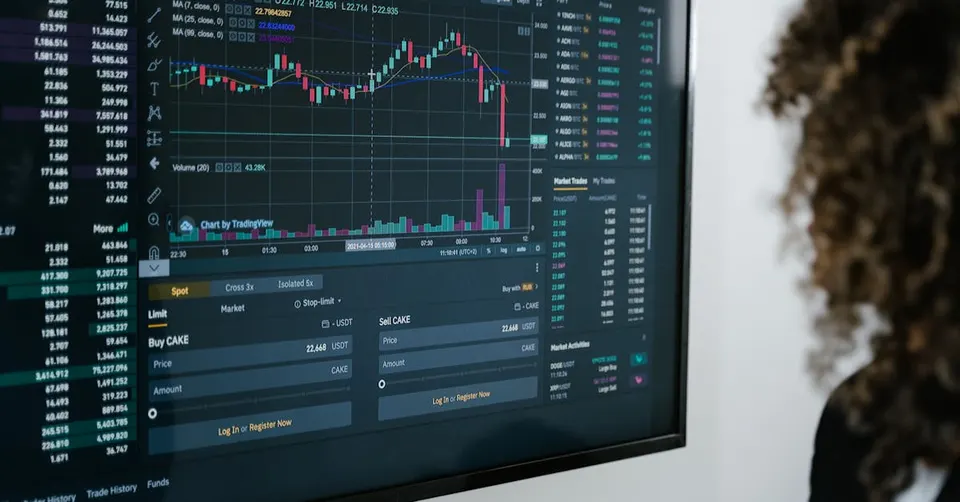
Despite the drumbeat of war and the surge in global energy costs, the Iranian domestic market has shown a rare moment of localized stability over the last 24 hours. The USD/IRR exchange rate remained flat at 173,000 Toman, representing a 0.0% change from the previous session. Similarly, the price of 18k gold per gram held steady at 18,779,491 Toman (+0.0%), and the Emami coin remained unchanged at 183,000,000 Toman. This lack of movement suggests a market that is currently 'priced to perfection' or perhaps exhausted by the constant stream of geopolitical news, waiting for a more definitive signal before making its next move.
However, this stability should not be mistaken for a lack of concern. Professional traders in Tehran are closely monitoring the global gold ounce price, which currently sits at a staggering $4,484.40. The discrepancy between a flat local currency and a surging global gold price often points to an upcoming correction. If the military situation in the Persian Gulf deteriorates further, the current 173,000 ceiling for the Dollar may quickly become a floor. For now, the Central Bank's interventions and a temporary lull in domestic demand are keeping the Rial from sliding further, but the underlying pressure from global energy inflation is a persistent threat to this fragile equilibrium.
Global Shifts: Media Power and Energy Transitions
Beyond the immediate conflict zone, the global economic landscape is undergoing structural shifts. In Australia, mining magnate Gina Rinehart has bankrolled a significant 10% stake in Southern Cross Media, a move that underscores how the world's wealthiest individuals are consolidating influence over information channels during times of crisis. As traditional markets become more volatile, control over media and narrative becomes a strategic asset, much like gold or oil. This acquisition, worth roughly $26 million, signals a return to the media business for Rinehart at a time when public sentiment regarding energy and mining is at a crossroads.
Simultaneously, the International Energy Agency (IEA) reported that global electric vehicle (EV) sales topped 20 million in 2025, a milestone that reflects the world's accelerating attempt to decouple from the very oil markets currently being disrupted by the Iran war. While the 'old energy' world is plagued by strikes and price caps, the 'new energy' sector is seeing record adoption. This transition is being aided by a revival in domestic oil production in places like Alaska, which is seeing a surge in investment as majors like Exxon and ConocoPhillips seek secure supplies far from the volatility of the Middle East. For the long-term investor, the lesson is clear: while the current conflict creates short-term chaos, it is also accelerating the global shift toward energy independence and technological diversification.
Frequently Asked Questions
Why are UK energy bills rising because of a conflict in the Middle East?
Is the 173,000 Toman exchange rate for USD sustainable?
What is the significance of the renewed U.S. strikes near the Strait of Hormuz?
How do record EV sales impact the current energy crisis?
The Strait of Hormuz: Why This Narrow Waterway Holds Global Energy Prices Hostage
The Strait of Hormuz, a 21‑nautical‑mile-wide passage between Oman and Iran, is one of the world’s most critical oil chokepoints. Roughly 20% of the world’s daily oil consumption—and an even larger share of petroleum products—transits this narrow channel each day. Because the route is so tight, any threat of military conflict, piracy, or mining can instantly constrain supply, prompting sharp spikes in benchmark oil prices.
When geopolitical tension rises—such as during heightened Iran‑U.S. confrontations—shipping companies may reroute vessels around the Cape of Good Hope, a detour that adds up to 10,000 nautical miles and weeks of extra transit time. The additional fuel, insurance, and opportunity costs quickly translate into higher wholesale oil prices, which then feed through to retail energy bills, especially in markets with price‑cap mechanisms like the UK’s Ofgem cap.
The strategic importance of Hormuz also explains why nations keep a naval presence there. The United Kingdom, United States, and other allies regularly conduct freedom‑of‑navigation operations to deter Iran from closing the strait. However, any incident—such as a missile strike on a tanker—can trigger market panic, driving up not only oil but also related commodities like gold, which investors buy as a safe haven.
Understanding the Hormuz chokepoint helps explain why a regional flare‑up can ripple through global markets, affecting everything from the UK’s household energy bills to the price of electric vehicles that rely on cheap electricity. It also underscores why policymakers monitor the strait closely and why price‑cap regulators, like Ofgem, must be prepared for sudden cost spikes.
For those interested in the technical and historical aspects, the strait’s geography, the volume of oil that passes through, and past incidents such as the 2019 tanker attacks provide a vivid illustration of how a narrow stretch of water can wield outsized influence over the world’s energy system.
Topics
Related Articles