The Graham Era Ends as the Gulf Smolders: Toman Slips Amid IRGC Claims of Regional Strikes
پایان دوران لیندزی گراهام و شعلهور شدن خلیج فارس: سقوط ریال در پی ادعای حملات منطقهای سپاه
The death of Senator Lindsey Graham creates a political vacuum in Washington just as the IRGC claims new strikes on US assets in Jordan and Kuwait. Meanwhile, the Toman has weakened by 1.4% as global energy giants begin bypassing the Strait of Hormuz.
At time of publishing
USD
190,600
Toman
Gold 18K
18.54M
Toman / gram
Bitcoin
$63,061
US Dollar
Tether
193,009
Toman
A Hawk Falls: The Complex Legacy of Lindsey Graham
The political landscape of the United States has been jolted by the death of Senator Lindsey Graham at the age of 71. Graham, a fixture in the Senate for four terms, was a polarizing figure whose career traced the evolution of the Republican Party from the Reagan era to the populist dominance of Donald Trump. Known for his hawkish foreign policy, Graham was a leading voice in advocating for maximum pressure on Iran, making his sudden exit a significant moment for Middle Eastern geopolitics. In his home state of South Carolina, the reaction is a mix of mourning and reflection on a man who was often described as a political shape-shifter, moving from a staunch Trump critic to one of his most loyal allies.
For Iranian observers, Graham’s passing is more than a domestic US news story; it represents the loss of one of the most vocal proponents of secondary sanctions and military deterrence in the Senate. His vacancy leaves a scramble within the GOP to find a successor who can balance the state's complex history with the demands of modern Washington. As the South Carolina state house prepares for a transition, the immediate impact on Capitol Hill will be felt in the Senate Foreign Relations Committee, where Graham’s absence could slightly alter the momentum of upcoming legislative packages regarding regional security and energy sanctions.

Escalation in the Gulf: IRGC Claims and Infrastructure Strikes
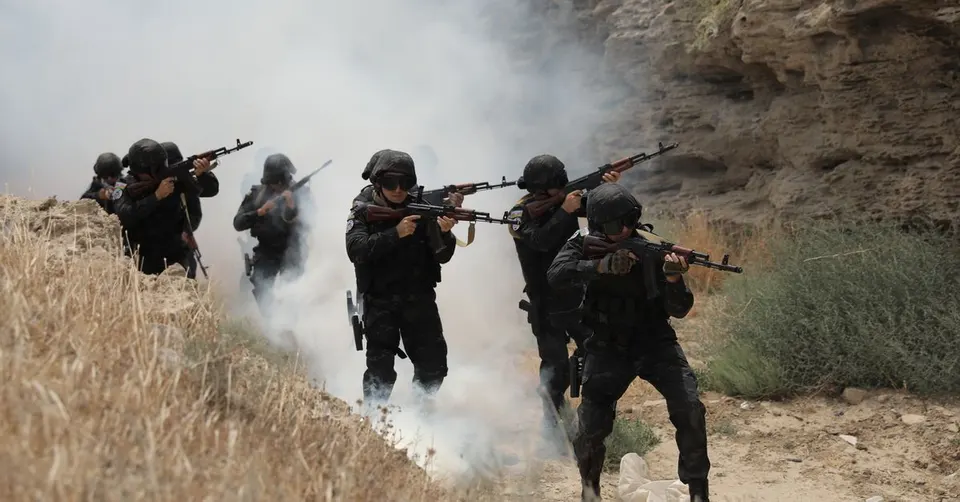
Tensions in the region have reached a fever pitch this hour following reports from Iranian state media. IRNA has reported that the Islamic Revolution Guards Corps (IRGC) targeted US fighter jets and refueling aircraft in Jordan, as well as American forces and a HIMARS launcher in Kuwait. While these claims have not been independently verified by international monitors, the rhetoric alone has sent shockwaves through the local markets. Simultaneously, reports from France 24 indicate that the US has intensified its own campaign, allegedly striking transport infrastructure inside Iran, including bridges, as a response to the ongoing disruptions in the Strait of Hormuz.
This direct military friction is having a tangible impact on the Iranian economy. The USD/IRR exchange rate moved from 188,000 to 190,600 over the last 24 hours, representing a 1.4% depreciation of the Toman. Gold prices followed suit, with 18k gold per gram rising from 18,283,392 to 18,539,637 (+1.4%). The market is clearly pricing in the risk of a widening conflict, as the "diplomatic door" the White House claims is open seems increasingly obscured by the smoke of regional skirmishes. For the average citizen, this translates to immediate inflationary pressure and a flight toward hard assets like gold and stablecoins.
The Great Bypass: South Korea Abandons the Strait of Hormuz
In a move that signals a long-term shift in global energy logistics, South Korea has begun aggressively betting on the Red Sea route to secure its energy needs. Before the current conflict disrupted the Strait of Hormuz in March, Seoul relied on the narrow waterway for a staggering 61% of its crude oil imports and 54% of its naphtha. However, persistent instability has forced one of Asia’s largest economies to pivot toward the Saudi export terminal of Yanbu. This diversification strategy is not just a temporary fix; it represents a fundamental loss of leverage for those controlling the Persian Gulf shipping lanes.
This shift is part of a broader global trend where energy importers are seeking "Hormuz-free" supply chains. As South Korea moves its tankers to the Red Sea, the strategic importance of the Strait begins to diminish in the eyes of global markets, though the immediate result is higher shipping costs and increased insurance premiums. For Iran, the long-term economic consequence of this bypass is a potential reduction in the geopolitical premium it can extract from its geography. If major buyers like Korea and Japan successfully reroute their energy lifelines, the effectiveness of using the Strait as a bargaining chip in international negotiations will be permanently weakened.

Global Markets: Bitcoin Slips and Election Shadows
On the global stage, risk assets are retreating as a selloff in the semiconductor sector drags down broader markets. Bitcoin has slipped toward the $63,000 mark, moving from earlier weekly highs as investors move toward safety. This "risk-off" sentiment is being exacerbated by political uncertainty in the US, where Donald Trump has recently alleged that China meddled in the 2020 election. These claims, though dismissed by US intelligence assessments and criticized by Democrats as an attempt to undermine the upcoming midterms, add a layer of volatility to US-China relations that markets are struggling to digest.
The intersection of tech stocks, crypto volatility, and geopolitical rhetoric is creating a difficult environment for retail investors. In South Korea, the "ants"—as retail traders are known—have been hit with massive margin calls following a localized market crash, illustrating the dangers of high leverage in such an unstable climate. As the US moves closer to its next election cycle, the rhetoric regarding foreign interference and trade wars is likely to keep markets on edge, ensuring that the current volatility in both the Toman and digital assets remains the norm rather than the exception.
Frequently Asked Questions
How does Lindsey Graham's death affect US-Iran policy?
Why is the Toman weakening despite reports of diplomacy?
What is the significance of South Korea using the Red Sea route?
Understanding Geopolitical Risk and Currency Depreciation
Geopolitical risk refers to the likelihood of political events, conflicts, or instability impacting economic activity and financial markets. From regional skirmishes to international trade disputes, these events create uncertainty, which is anathema to investors. The recent headlines, particularly those concerning potential military actions in the Gulf region and threats to vital shipping lanes like the Strait of Hormuz, exemplify how such risks can quickly escalate and reverberate globally.
One of the most immediate and visible impacts of heightened geopolitical risk is on a nation's currency. When political instability or conflict looms, domestic and international investors often lose confidence in the local economy. They may withdraw capital, seeking safer havens for their investments, a phenomenon known as capital flight. This reduced demand for the local currency, coupled with an increased desire to convert it into more stable foreign currencies (like the U.S. dollar), directly leads to its depreciation.
For a country like Iran, whose economy is already under significant international pressure, geopolitical tensions in its backyard can severely exacerbate currency woes. Claims of regional strikes or threats to crucial oil shipping routes like the Strait of Hormuz directly threaten Iran's primary export revenues. This uncertainty not only deters foreign investment but can also trigger panic selling of the local currency, the Toman, as citizens and businesses attempt to protect their savings from potential devaluation and inflation. The resulting "Toman slips" against the USD, as mentioned in the headline, is a direct manifestation of this geopolitical risk premium being priced into the exchange rate.