Hormuz Crisis Forces US Oil Pivot to Asia as High-Profile Political Trial Opens in UK
تغییر مسیر نفت آمریکا به آسیا در پی بحران هرمز و آغاز محاکمه جنجالی سیاسی در بریتانیا
As the prosecution opens its case against former DUP leader Sir Jeffrey Donaldson, the global energy landscape faces a major reshuffle with the U.S. sending rare strategic oil reserves to Asia to bypass the Hormuz bottleneck. Meanwhile, Iranian and Azerbaijani leaders signal deepening ties amidst rising regional tensions.
At time of publishing
USD
173,000
Toman
Gold 18K
18.79M
Toman / gram
Bitcoin
$75,741
US Dollar
Tether
171,709
Toman
Legal Storm in the UK: The Donaldson Trial Begins
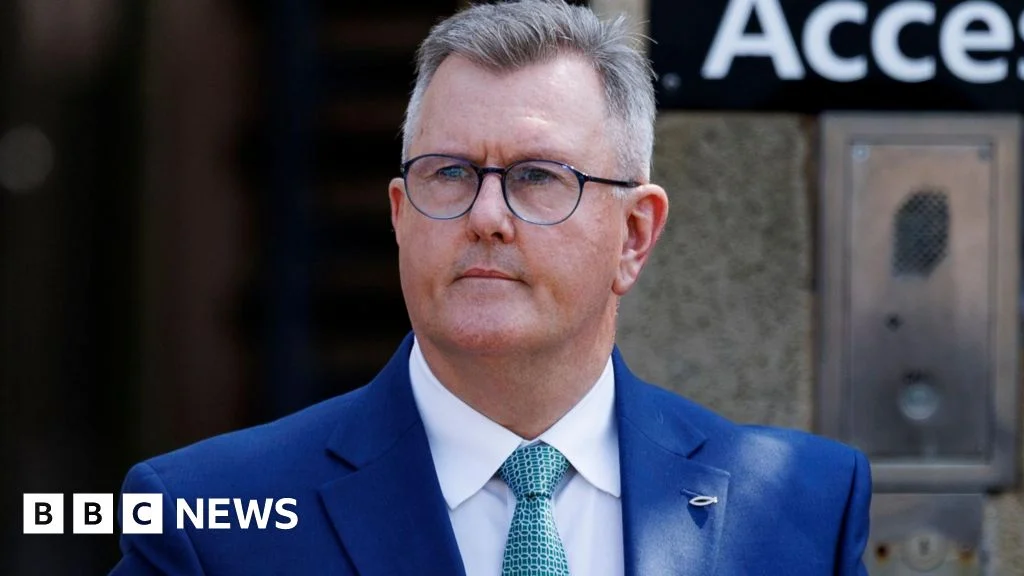
The political landscape of Northern Ireland and the broader United Kingdom is facing a seismic moment as the prosecution officially opens its case against Sir Jeffrey Donaldson, the former leader of the Democratic Unionist Party (DUP). Donaldson, once a pivotal figure in post-Brexit negotiations, faces 18 charges, including a count of rape and several other sex-related offenses. The trial, which is drawing intense international scrutiny, follows his shock resignation earlier this year, an event that left a power vacuum in Stormont and raised questions about the future of the unionist movement.
For readers following global governance, this trial is more than just a criminal proceeding; it represents a significant stress test for political stability in a region already grappling with the complexities of the Windsor Framework. While Donaldson has pleaded not guilty to all charges, the evidence presented in the coming days could further erode public trust in established political institutions. For Iranian observers, these internal Western fractures are noteworthy as they often dictate the bandwidth and focus of UK foreign policy, particularly regarding Middle Eastern diplomatic efforts.

Energy Realignment: Bypassing the Hormuz Bottleneck
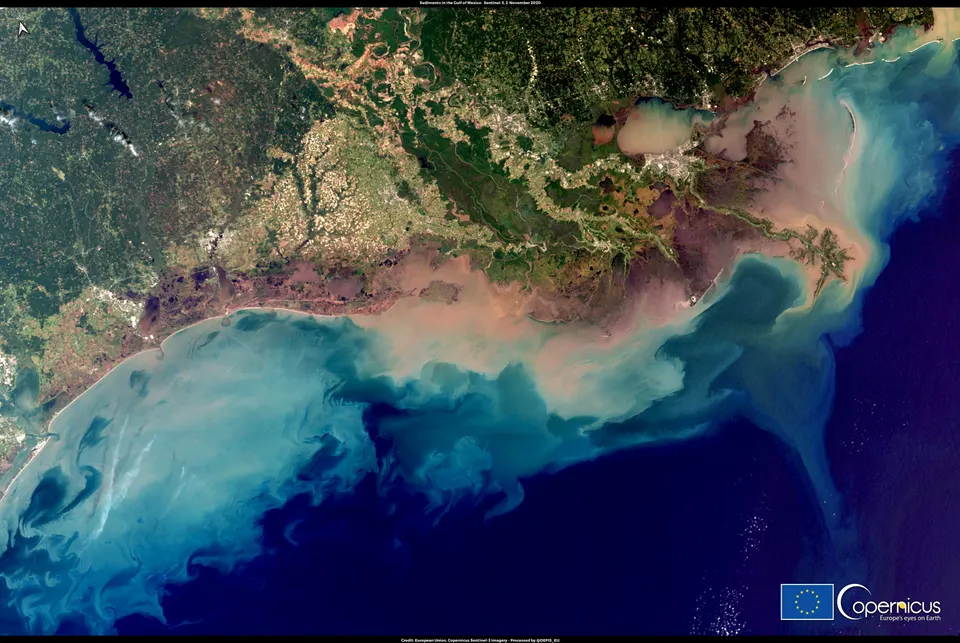
The ongoing crisis in the Strait of Hormuz has forced a dramatic restructuring of global energy trade. In a rare and significant move, the United States has dispatched a tanker loaded with crude oil from its Strategic Petroleum Reserve (SPR) to the Philippines. This marks the first such shipment to Asia since late 2022 and underscores the severity of the maritime blockade. Before the current conflict, Asia relied on the Middle East for nearly 80% of its crude oil requirements. With the Strait of Hormuz effectively serving as a high-risk zone due to military tensions, major economies are being forced to find expensive alternatives from the Gulf of Mexico and beyond.
This shift is not without cost. In the United Kingdom, energy regulators have already announced that household bills will rise by an average of £221 per year as a direct result of the "war premium" embedded in global energy prices. While the Toman has remained relatively stable this morning at 173,000 per USD, the underlying pressure from energy volatility is a constant threat to global inflation. The physical shortage of oil in certain regions is no longer a theoretical risk but a logistical reality that is reshaping how nations view their strategic reserves and energy security.
Regional Diplomacy: Tehran and Baku Strengthen Ties
Amidst the naval tensions and global energy shifts, President Masoud Pezeshkian of Iran and President Ilham Aliyev of Azerbaijan have engaged in high-level diplomatic outreach. During a call to exchange greetings for Eid al-Adha, both leaders reaffirmed their commitment to expanding bilateral cooperation. This rapprochement is critical given the strategic importance of the Aras and Zangezur corridors, which serve as vital transit routes for Iranian goods heading toward Russia and Europe.
Strengthening ties with Baku is a clear signal that Tehran is prioritizing regional stability and economic integration as a hedge against Western-led sanctions. For the Iranian market, this diplomatic thaw provides a psychological cushion; investors often view improved relations with neighbors as a sign of reduced geopolitical risk. As gold prices hover near $4,487 per ounce and the 18k gold rate in Tehran sees a marginal 0.1% increase to 18,793,573 Toman, the focus remains on whether these diplomatic efforts can translate into tangible trade growth and currency support.
Climate Extremes: Europe’s May Heatwave Impact
While geopolitics dominates the headlines, an environmental crisis is unfolding across Europe’s major capitals. London, Paris, Berlin, and Madrid are experiencing unseasonably high temperatures, with a "heat dome" pushing thermometers more than 10°C above historical averages for May. This extreme weather is not merely a matter of discomfort; it has direct economic implications. Increased energy demand for cooling is straining grids already stressed by the loss of traditional energy flows, while agricultural sectors are bracing for potential crop failures if the heat persists into the summer months.

Markets are increasingly pricing in these climate risks as long-term inflationary drivers. As the world watches the military developments in the Middle East, the quiet arrival of extreme weather serves as a reminder that the global economy is fighting a war on two fronts: one for geopolitical security and another for environmental survival. For those holding assets like Bitcoin, which currently sits at $75,741, these systemic instabilities continue to fuel the narrative of digital assets as a hedge against traditional market volatility.
Frequently Asked Questions
Why is the US sending Strategic Petroleum Reserve (SPR) oil to Asia now?
How does the Jeffrey Donaldson trial impact global markets?
What caused the recent spike in UK energy bills?
Is the Iran-Azerbaijan relationship improving?
Topics
Related Articles