War Escalation in Lebanon and 'Dark Mode' Tankers in Hormuz: Markets Brace for Impact
تشدید جنگ در لبنان و عبور «چراغ خاموش» نفتکشها از هرمز؛ آمادهباش بازارها برای موج جدید تنش
Israel has launched a massive bombing campaign in Lebanon while ADNOC shifts to 'dark mode' shipping in the Strait of Hormuz to evade regional risks. As the Toman remains steady at 173,000, global markets are processing a massive $1.3 billion Bitcoin sell-off and political shifts in the UK.
At time of publishing
USD
173,000
Toman
Gold 18K
18.80M
Toman / gram
Bitcoin
$75,904
US Dollar
Tether
171,551
Toman
The Middle East Brink: Lebanon Strikes and Gaza Assassinations
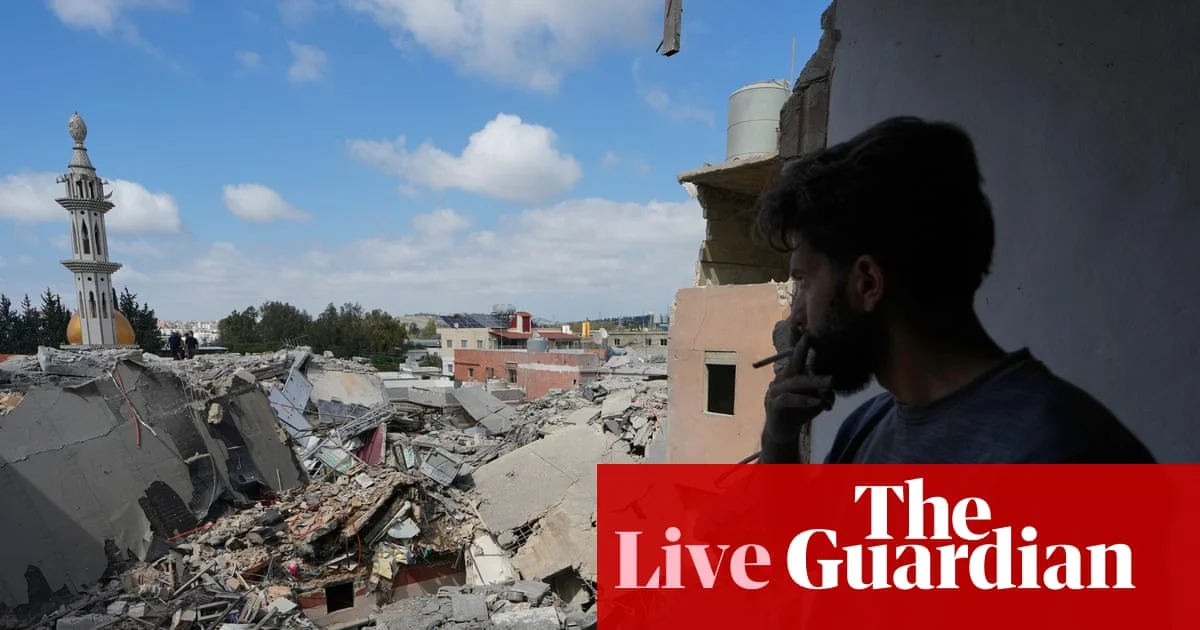
The regional security situation has taken a sharp turn for the worse as Israel launched a massive aerial bombardment across Lebanon, striking over 100 targets linked to Hezbollah infrastructure. This escalation comes alongside the reported killing of Mohammed Odeh, the head of Hamas’s armed wing in Gaza City. Prime Minister Netanyahu’s vow to "crush" regional adversaries has effectively neutralized any immediate hope for a cooling of tensions, signaling a long-term military commitment that keeps the entire Middle East on a high-alert status. For Iranian observers, these developments are more than just headlines; they represent a direct threat to the regional status quo and have historically been precursors to volatility in the domestic currency and gold markets.
Despite the intensity of the military action, the Iranian Toman has shown remarkable resilience in the short term. The USD/IRR exchange rate remained flat at 173,000 over the last 24 hours, suggesting that the market had already priced in a significant degree of geopolitical risk. However, the stability of the Toman at these elevated levels remains fragile. If the conflict in Lebanon expands into a full-scale ground invasion or involves direct confrontation with regional powers, the psychological floor of the 170,000 range may be tested. Gold, often the first refuge in times of war, saw a marginal increase with 18k gold per gram rising from 18,774,874 to 18,799,344 Toman (+0.1%), reflecting a cautious but firm demand for safe-haven assets.
ADNOC’s 'Dark Mode' Strategy in the Strait of Hormuz
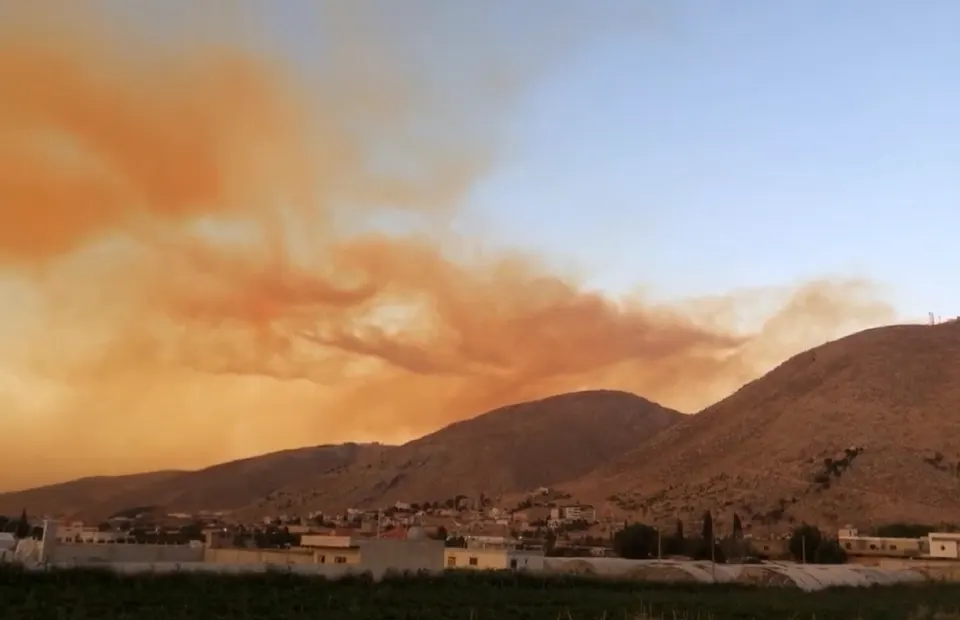
In a move that underscores the severity of maritime risks, the Emirati state-owned energy giant ADNOC has reportedly begun sending LNG carriers through the Strait of Hormuz in "dark mode." Shipping data suggests that vessels like the Umm Al Ashtan have switched off their AIS (Automatic Identification System) transponders to avoid tracking while navigating the narrow waterway. This tactic, typically associated with sanctioned fleets or wartime maneuvers, is now being utilized by major commercial players to protect high-value energy assets from potential seizure or drone attacks. The fact that a major regional ally like the UAE is resorting to such measures highlights a profound lack of confidence in the current maritime security umbrella.
For global energy markets, this "dark mode" shipping adds a layer of opacity and cost. While oil and gas continue to flow, the increased insurance premiums and the logistical hurdles of stealth navigation are contributing to a sustained "war premium" on energy prices. For Iran, the Strait of Hormuz remains its most potent strategic lever, but the shift toward invisible shipping by neighbors suggests a tactical adaptation that could diminish the impact of traditional blockade threats. As long as these vessels can transit unnoticed to major markets like India, the immediate economic shock of regional tension is somewhat dampened, though the underlying risk of a miscalculation or accidental collision in the crowded strait remains high.
Political Pragmatism and the AI Revolution
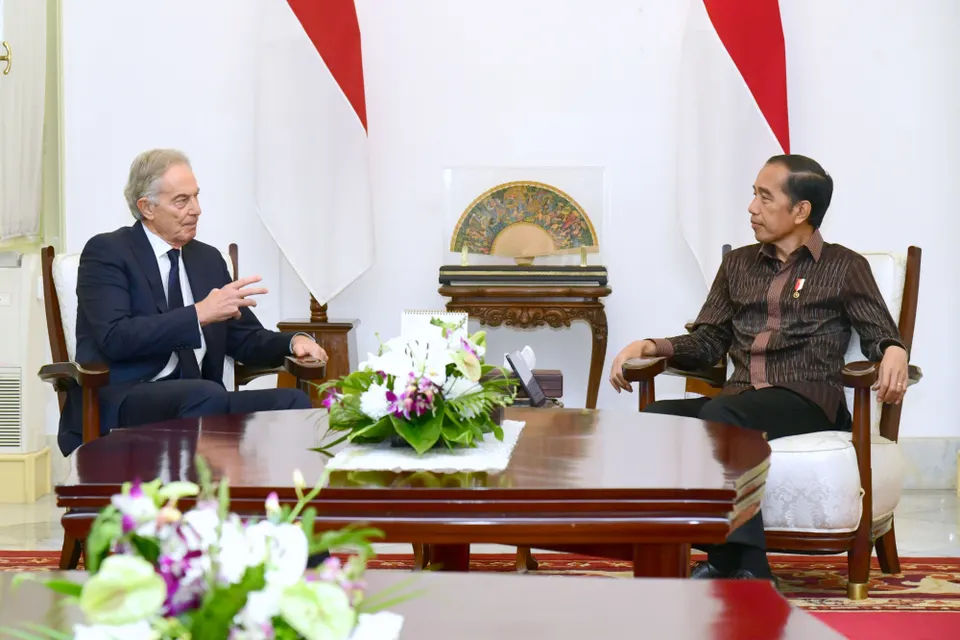
Former UK Prime Minister Tony Blair has made a significant intervention in global political discourse, issuing a 5,700-word essay that challenges the current Labour government to prioritize economic growth over climate targets. Blair argued that the 2024 election was won because Labour was seen as an "acceptable alternative" rather than a transformative force, and he warned that without embracing the artificial intelligence revolution, the party risks irrelevance. He specifically urged the government to move closer to the pragmatic approach of the Trump administration regarding business support and to reconsider the sustainability of the pensions triple lock, which he views as a drag on national resources.
Blair’s focus on AI is particularly relevant for the global economy. He posits that the current technological shift is not just another industrial phase but a fundamental restructuring of how states operate. By advocating for a "growth first" policy, Blair is echoing a sentiment growing among global elites: that the transition to Net Zero must not come at the cost of national competitiveness. This shift in rhetoric from a major political figure suggests that the global consensus on environmental policy may be fracturing under the weight of economic necessity and the high energy demands of the AI sector. For investors, this signals a potential pivot toward tech-heavy portfolios and a possible softening of ESG (Environmental, Social, and Governance) mandates in the coming years.
Predatory Pricing and the Global Consumer Backlash
In a story that highlights the growing tension between digital platforms and consumer rights, Australian fans of the K-pop group BTS have launched a massive protest against Ticketmaster. The controversy centers on "predatory" pricing tactics where ticket costs are hidden until the very moment of sale, forcing fans into a high-pressure "sales funnel." The Australian Competition and Consumer Commission (ACCC) has been urged to intervene, as fans argue that these tactics exploit the emotional loyalty of consumers. This incident is part of a broader global trend where massive ticketing and service monopolies are facing increased regulatory scrutiny for their algorithmic pricing models.
This is not merely a story about music; it is a reflection of how digital markets are increasingly using psychological triggers to maximize revenue at the expense of transparency. As inflation eats into discretionary spending globally, consumers are becoming less tolerant of "hidden" fees and dynamic pricing. For businesses, the takeaway is clear: the era of unchecked algorithmic extraction is facing a regulatory reckoning. Whether it is the ACCC in Australia or the FTC in the United States, the push for "price transparency" is becoming a major political platform, potentially reshaping the profit margins of global service giants in the near future.

Frequently Asked Questions
Why is ADNOC using 'dark mode' in the Strait of Hormuz?
How has the Toman responded to the escalation in Lebanon?
What is a 'dark pool' sale in the context of Bitcoin's recent drop?
What is Tony Blair's main argument regarding AI and the economy?
Understanding the 'Shadow Fleet' in Global Oil Shipping
The term 'Dark Mode' tankers, as seen in headlines, refers to a phenomenon increasingly prevalent in global oil shipping: the emergence of a 'Shadow Fleet' or 'Dark Fleet'. These are vessels that operate outside conventional regulatory and transparency norms, often with the explicit purpose of circumventing international sanctions, particularly those targeting oil exports from countries like Iran, Venezuela, or Russia. Unlike standard commercial vessels that openly broadcast their location and activities, shadow fleet tankers employ various tactics to obscure their movements and identities, making them difficult to track and regulate.
Operating in the shadows involves a range of deceptive practices. A primary tactic is disabling or manipulating Automatic Identification Systems (AIS), which are legally required to be active on all large vessels for safety and collision avoidance. By turning off AIS, these tankers effectively disappear from public tracking maps for extended periods, earning them the 'dark mode' moniker. Other methods include 'flag hopping' (frequently changing registration to flags of convenience), ship-to-ship transfers in international waters to blend cargoes and obscure origins, and using shell companies to hide ownership. These measures create a complex web designed to evade detection by authorities and sanctions enforcers.
The proliferation of the shadow fleet carries significant implications for global energy markets, environmental safety, and geopolitical stability. Economically, it introduces opacity into oil supply chains, making it harder to accurately assess global supply and demand, and can undermine the effectiveness of sanctions regimes. Environmentally, these older, less maintained vessels often operate with inadequate insurance and pose heightened risks of oil spills or accidents, with potentially devastating consequences for marine ecosystems. Geopolitically, their existence fuels illicit trade, provides revenue to sanctioned regimes, and adds another layer of complexity to already volatile regions like the Strait of Hormuz, where a significant portion of the world's oil transits.
Topics
Related Articles