Peace Talks Under Fire: Lebanon Strikes Complicate U.S.-Iran Diplomacy as Toman Holds at 173,000
سایه سنگین جنگ بر مذاکرات صلح؛ تنش در لبنان و ثبات دلار در مرز ۱۷۳ هزار تومان
Intense fighting in Lebanon has cast a shadow over fragile U.S.-Iran peace negotiations, keeping markets on edge. While the Toman remains steady at 173,000, global energy shocks and political shifts in Washington suggest a volatile path ahead.
At time of publishing
USD
173,000
Toman
Gold 18K
18.58M
Toman / gram
Bitcoin
$75,855
US Dollar
Tether
172,338
Toman
The Lebanon Escalation: A Fragile Peace Under Fire
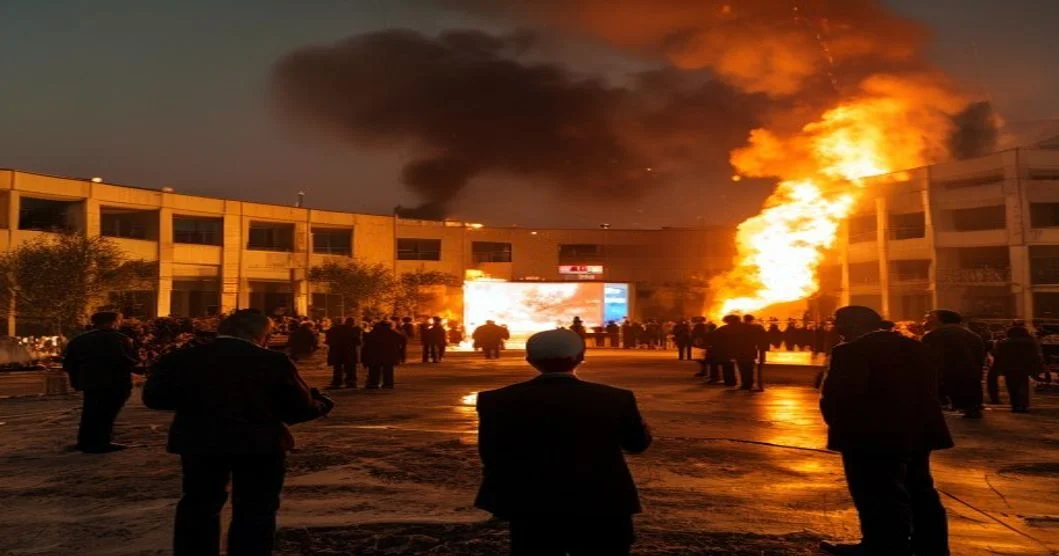
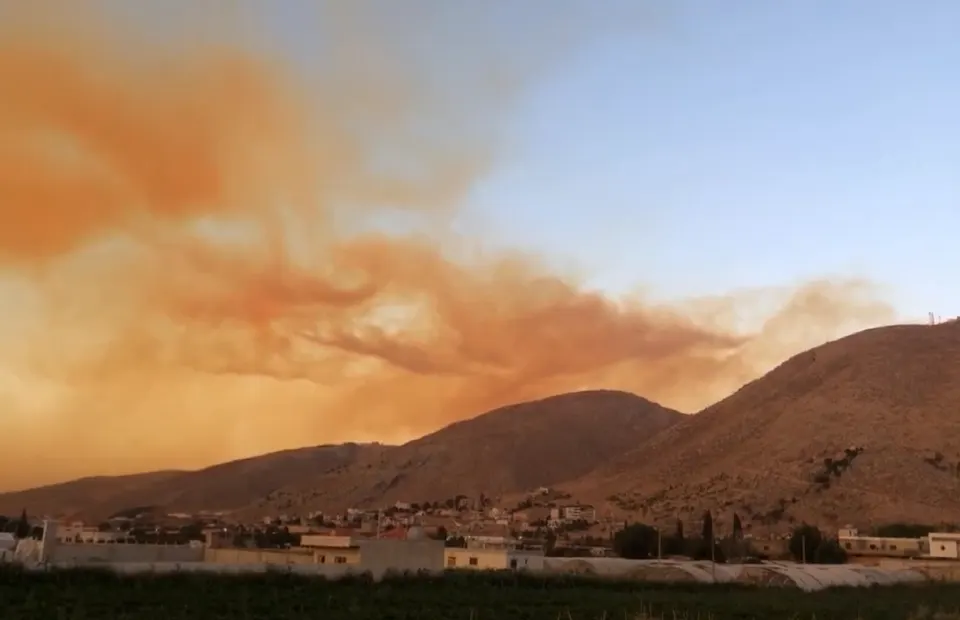
As the clock struck 15:00 in Tehran, the geopolitical landscape shifted toward renewed uncertainty. Israeli airstrikes in Lebanon have reportedly killed at least 31 people, according to the country’s health ministry, marking a significant escalation that threatens to derail the already fragile peace talks between the United States and Iran. These strikes against Hezbollah positions come at a moment when diplomats were signaling a potential breakthrough, but the kinetic reality on the ground is now complicating the narrative of de-escalation. For Iranian observers, this flare-up serves as a reminder that the path to a formal agreement is fraught with spoilers and regional complexities that can override diplomatic progress in hours.
In the domestic market, the Toman has shown a resilient, if cautious, stability. The USD sell rate remains flat at 173,000 Toman (0.0% change over 24h), suggesting that traders are in a 'wait-and-see' mode rather than reacting impulsively to the news from Lebanon. However, the underlying tension is palpable. Gold prices have seen a slight retreat, with 18k gold dropping from 18,774,874 to 18,577,265 Toman (-1.1%), perhaps reflecting a minor correction after recent highs rather than a fundamental shift in risk appetite. The market is clearly pricing in the possibility that these strikes could either be a final show of force before a ceasefire or the beginning of a broader regional conflagration.
Washington’s Power Play: Trump’s Cabinet and the Crypto Pivot
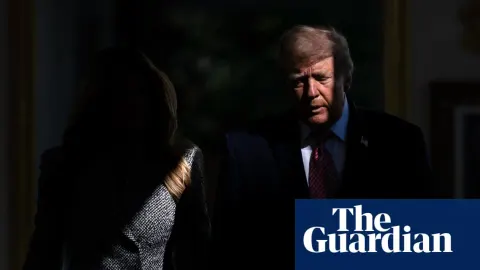
Across the Atlantic, the political machinery in Washington is moving at full speed. President Donald Trump is set to host his 12th cabinet meeting of his second term this Wednesday, a gathering that was originally slated for the symbolic setting of Camp David. The shift to a more formal venue comes as peace talks reach what insiders call a "crucial stage." The domestic political landscape in the U.S. is also shifting, with Ken Paxton hailing Trump’s endorsement as the most powerful force in politics following a significant runoff win in Texas. This consolidation of political capital within the Republican party suggests that the administration will have a free hand in pursuing its "maximum pressure and maximum deal" strategy simultaneously.
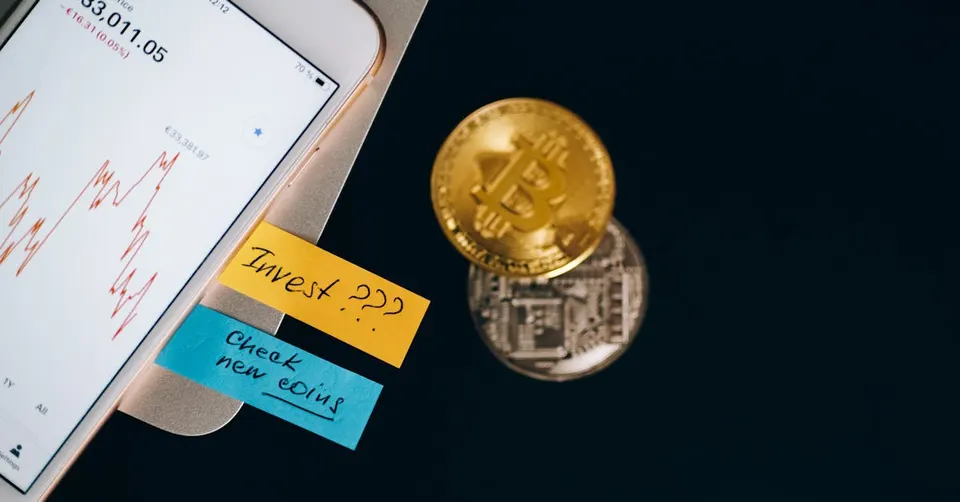
In the financial sector, the intersection of traditional banking and digital assets continues to blur. SoFi has announced the launch of a bank-issued stablecoin to its 15 million users, a move that signals deeper institutional integration of crypto despite the current market stagnation. Bitcoin has been struggling to maintain its footing, clinging to the $75,855 level as bear market signals begin to resurface in some technical indicators. For Iranian crypto enthusiasts, this means the 'Tether premium' remains a critical metric to watch, as domestic demand for USDT (currently at 172,338 Toman) stays high as a hedge against potential regional volatility.
Global Energy Shocks and the Strait of Hormuz
The economic consequences of the ongoing conflict are manifesting in unexpected ways across the globe. In the United Kingdom, energy regulator Ofgem has announced a 13% jump in household energy bills starting July, citing higher wholesale gas prices directly linked to the Middle East crisis. This "war premium" is no longer just a headline for traders; it is becoming a reality for consumers worldwide. Meanwhile, the IRGC Navy has reported the safe passage of 25 vessels, including oil tankers, through the Strait of Hormuz over the last 24 hours. This announcement appears designed to project an image of control and stability in the world's most vital energy chokepoint, even as tensions flare elsewhere.
Corporate boardrooms are also feeling the heat. The ousted chair of BP, Albert Manifold, has publicly disputed the oil giant's claims of poor conduct, adding a layer of internal turmoil to one of the world's largest energy companies. Simultaneously, the retail sector is seeing aggressive restructuring, with Flying Tiger being snapped up by Modella Capital amid fears for its future. These moves highlight a broader trend: as the geopolitical situation remains volatile, capital is moving toward consolidation and hard-nosed restructuring. For the Iranian reader, these global shifts underscore that the local economy is part of a much larger, interconnected web where a strike in Lebanon can influence a heating bill in London and a boardroom coup in a multinational energy firm.
Frequently Asked Questions
Why is the Toman stable at 173,000 despite the escalation in Lebanon?
How do UK energy bill increases affect the Iranian economy?
Is the drop in gold prices a sign of decreasing regional risk?
Geopolitical Risk and Currency Exchange Rates: The Toman's Resilience Amidst Turmoil
The recent headline highlighting "Peace Talks Under Fire" and "Lebanon Strikes" while the "Toman Holds at 173,000" brings into sharp focus a critical economic concept: the profound impact of geopolitical risk on a nation's currency exchange rate. Geopolitical risk refers to the potential for political events, conflicts, or international tensions to disrupt economic activity and market stability. For countries like Iran, deeply intertwined with regional dynamics and international diplomacy, these risks become a primary driver of currency valuation, often overshadowing traditional economic indicators.
When geopolitical tensions escalate, investors and businesses typically react by pulling capital from the affected region, reducing foreign direct investment, and seeking safer havens. This capital flight directly weakens demand for the local currency, leading to depreciation. Furthermore, conflicts can disrupt trade routes (like the Strait of Hormuz mentioned in the keywords), increase import costs due to supply chain issues, and deter exports, all of which put downward pressure on the currency. Central banks may attempt to intervene to stabilize the exchange rate, but such interventions are often costly and unsustainable in the face of persistent external pressures.
The case of the Iranian Toman (an unofficial unit representing 10 Iranian Rials) is a prime example of a currency under immense geopolitical strain. Decades of international sanctions, regional conflicts, and fluctuating global oil prices have created a complex environment where the official exchange rate often diverges significantly from the black market rate, which is more reflective of real supply and demand dynamics and public sentiment. The headline's mention of the Toman "holding" at a specific rate amidst escalating tensions could indicate a managed rate, a temporary stability in the unofficial market, or a reflection of underlying economic adjustments and expectations, rather than a sign of inherent strength or a lack of impact from the geopolitical events.
Understanding this interplay is crucial for anyone following global economics. The stability or volatility of a currency like the Toman is not just an abstract financial figure; it directly impacts the daily lives of citizens through inflation, purchasing power, and the cost of goods. In such environments, alternative assets like gold and cryptocurrencies often gain traction as hedges against currency depreciation and economic uncertainty, as individuals and businesses seek to preserve wealth outside the traditional financial system.
Topics
Related Articles