From Berlin Fugitives to Samsung’s AI Millions: Markets Wait for the Big Peace Deal
از پایان ۳۰ سال فرار در برلین تا پاداشهای میلیونی سامسونگ: بازارها در انتظار توافق بزرگ
As a notorious German fugitive is jailed after 30 years, global markets remain on edge with Barclays warning that a potential U.S.-Iran peace deal isn't yet priced in. Meanwhile, Samsung’s AI division staff secure massive bonuses, highlighting the growing wealth gap in the tech sector.
At time of publishing
USD
173,000
Toman
Gold 18K
18.68M
Toman / gram
Bitcoin
$75,751
US Dollar
Tether
173,221
Toman
The Long Arm of Justice: Berlin Fugitive Jailed After 30 Years
In a case that has gripped Europe, Daniela Klette, a former member of the militant Red Army Faction (RAF), has finally been sentenced in Berlin after spending three decades on the run. Klette was apprehended in 2024 in a modest apartment where she had been living under a false identity, ending one of the continent's most persistent manhunts. Her conviction for a series of armed robberies committed between 1999 and 2016 serves as a stark reminder of the persistence of European legal systems in pursuing historical cases.
For the Iranian reader, this story highlights the 'long tail' of political and legal consequences. Just as decades-old militant actions eventually meet their day in court, international legal frameworks and sanctions regimes often carry a historical weight that outlasts the immediate political climate. The stability and predictability of the German judicial system remain a key factor for global investors who prioritize the rule of law, even as the continent navigates the complex ghosts of its Cold War past.

Markets and the 'Peace Premium': Barclays Issues Warning
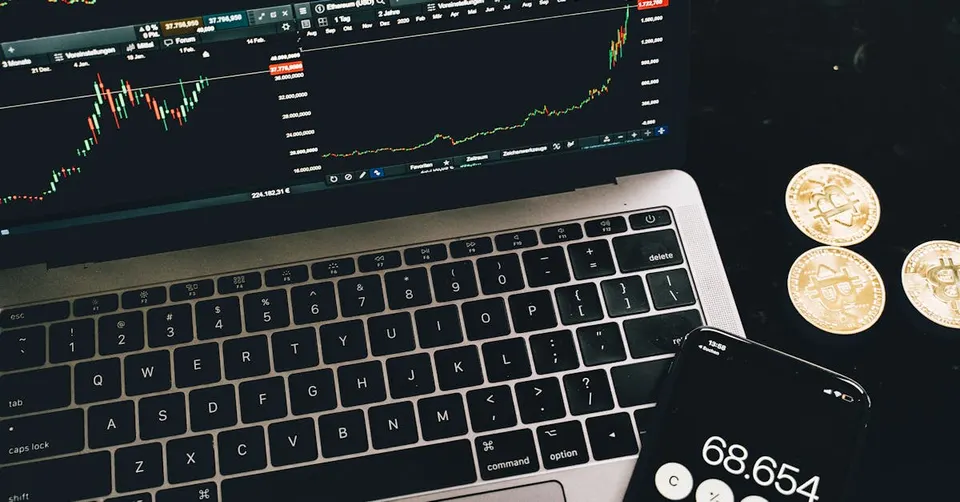
Barclays analysts have released a provocative note suggesting that global investors are significantly underestimating the potential for a U.S.-Iran peace deal. According to the bank, the market is currently 'crowded' into U.S. stocks because investors see no viable alternative during times of geopolitical friction. This means that if a diplomatic breakthrough were to occur, the sudden shift in capital toward emerging markets and international equities could be violent and rapid. Currently, the USD/IRR exchange rate in Tehran remains flat at 173,000 Toman (+0.0%), reflecting a market that is waiting for a definitive signal before moving.
The implications for local assets are profound. Gold 18k/gram has seen a slight dip to 18,676,531 Toman (-0.5%), while the global gold ounce price stands at $4,455.20. If the 'war premium'—the extra cost baked into assets due to the risk of conflict—is removed by a peace deal, we could see a sharp correction in both the dollar and gold prices in the domestic market. Investors are advised to watch for signs of a 'peace deal' being priced in, as the current stability might be the precursor to a major volatility event once the consensus shifts.
Ireland’s Trade Ban and the Shift in European Diplomacy
In a move that has resonated in Tehran, Ireland has officially moved to ban imports from Israeli settlements in occupied territories. Deputy Foreign Minister Kazem Gharibabadi welcomed the decision, calling on other Western nations to match their rhetoric with similar concrete actions. This development is a rare instance of a Western EU member aligning with Iranian foreign policy positions regarding international law. It suggests a growing divergence within Europe on how to handle Middle Eastern conflicts, potentially opening new trade and diplomatic corridors for Iran.
For the Iranian economy, this shift in Irish policy could be a harbinger of broader changes in how European nations view sanctions and trade restrictions. If more countries begin to prioritize humanitarian and international law over traditional geopolitical alliances, the unified front of economic pressure on Iran could begin to fracture. This would provide much-needed breathing room for the Toman and could eventually lead to a more diversified set of trading partners for Iranian businesses looking to bypass traditional hurdles.
Samsung’s AI Windfall: The $400,000 Bonus Era
The AI boom is no longer just a theoretical market trend; it is now manifesting as massive personal wealth for those at the center of the infrastructure. Samsung Electronics has reached a landmark profit-sharing agreement that will see staff in its memory chip division receive bonuses averaging £310,000 (approx. $400,000) each. This deal was struck to avert a major strike and reflects the record-breaking profits generated by the global demand for AI-capable hardware. However, the move has created internal friction, as employees in other divisions feel left behind by the AI-driven wealth surge.
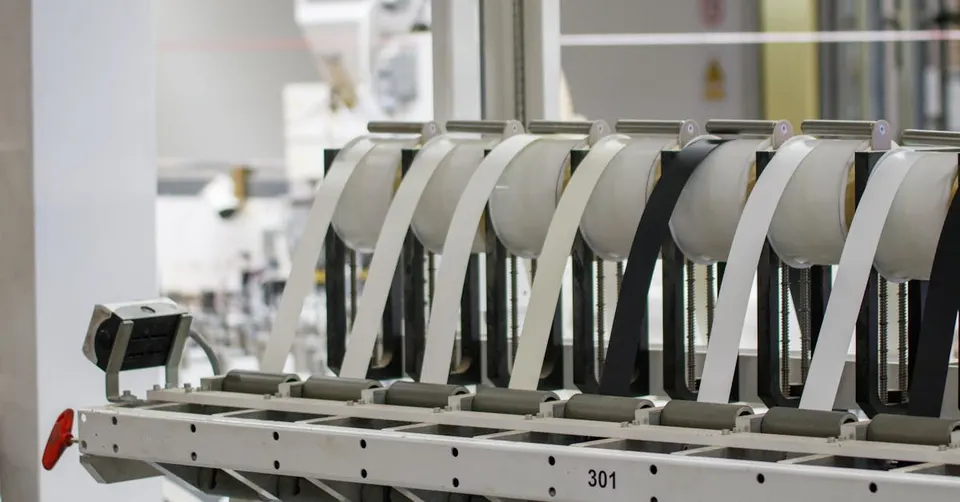
This extreme concentration of value highlights a critical lesson for global investors and tech workers alike: the current economic cycle is ruthlessly focused on the 'bottlenecks' of AI. For Iranians looking to preserve capital, this underscores why technology-adjacent assets and top-tier cryptocurrencies like Bitcoin—currently trading at $75,751—continue to attract safe-haven flows. As the 'AI divide' grows, the global labor market is being reshaped, with massive implications for where the next generation of capital will be concentrated.
Frequently Asked Questions
Why does Barclays think the Iran peace deal isn't priced in yet?
What does the Samsung bonus tell us about the current tech market?
How does Ireland's ban on settlement imports affect the Iranian economy?
Why did gold prices fall slightly while the dollar stayed flat in Tehran?
The Economic Impact of International Sanctions
International sanctions are a potent tool of foreign policy, often employed by one or more countries against another to compel a change in behavior, such as halting nuclear programs, combating terrorism, or improving human rights. These measures can range from targeted financial restrictions on individuals and entities to comprehensive embargoes affecting entire sectors of an economy. Fundamentally, sanctions aim to increase the economic cost of objectionable actions, thereby incentivizing the target country to comply with international norms or demands.
The economic ramifications of sanctions can be profound and far-reaching. They typically restrict a country's access to global financial systems, making international trade and transactions exceedingly difficult. This often leads to a shortage of foreign currency, causing the local currency to depreciate significantly against major international currencies like the US dollar. For instance, the USD/IRR exchange rate is highly sensitive to news regarding sanctions against Iran. Furthermore, sanctions can deter foreign investment, stifle economic growth, and lead to domestic inflation as essential goods become scarce or more expensive to import through illicit channels.
The anticipation of a “peace deal” or the potential lifting of sanctions can dramatically shift market sentiment and economic expectations. When there's a prospect of sanctions easing, investors might foresee renewed access to international markets, increased oil exports, and an influx of foreign capital. This expectation can lead to a strengthening of the local currency, a potential decrease in inflation, and a boost in overall economic activity. Asset prices, such as gold, which often serve as a hedge against economic uncertainty and currency depreciation during sanction periods, might also react to such news, potentially seeing a decline as confidence in the local economy improves.
However, the path from sanctions to economic recovery is rarely straightforward. Even with a deal in place, the lingering effects of isolation, weakened institutions, and a lack of trust can impede rapid economic revitalization. Markets carefully scrutinize the details of any agreement, assessing its durability and the extent to which it truly opens up the economy to global trade and investment. The interplay between geopolitical developments and market reactions underscores the complex nature of international economic relations.
Topics
Related Articles