Digital Thaw in Tehran: Internet Returns After 88 Days as Hormuz Peace Deal Rumors Swirl
بازگشت اینترنت به ایران پس از ۸۸ روز؛ شایعات توافق هرمز و نوسان در بازار طلا
Iranians are reconnecting with the world after a three-month blackout, while rumors of a U.S.-brokered deal to reopen the Strait of Hormuz send conflicting signals to the markets. Despite a stable Dollar, gold prices in Tehran have dipped as traders weigh the possibility of a de-escalation.
At time of publishing
USD
173,000
Toman
Gold 18K
18.45M
Toman / gram
Bitcoin
$75,110
US Dollar
Tether
172,299
Toman
The 88-Day Silence Ends: Iranians Reconnect with the Global Web
After nearly three months of unprecedented digital isolation, the Iranian government has begun restoring internet access across the country. The 88-day blackout, which largely severed the nation from global social media, messaging platforms, and news outlets, was one of the most severe in modern history. As residents in Tehran and other major cities report a return of connectivity, the atmosphere is a mix of relief and profound skepticism. Many users are discovering a backlog of months of missed communication, while businesses that rely on international logistics and digital payments are scrambling to assess the damage caused by nearly a quarter-year of forced offline operations.
The restoration of the internet is not just a social milestone; it is a critical economic signal. During the blackout, price discovery for assets like the US Dollar and Gold became opaque, often driven by shadow markets and physical trading floors. With the return of digital transparency, the market is beginning to price in the latest geopolitical developments more efficiently. However, the access remains patchy, with many reporting that high-bandwidth applications remain throttled. The move is widely interpreted as a gesture of de-escalation by the administration, potentially clearing the path for the sensitive diplomatic negotiations currently taking place regarding the maritime blockade.

The Hormuz Paradox: Diplomatic Drafts vs. Regional Realities
The geopolitical landscape is currently dominated by a sharp contradiction between high-level diplomacy and military escalation. Reports have surfaced of a draft memorandum between the United States and Iran that could see the strategic Strait of Hormuz reopened to international shipping. According to state media, this deal would involve the lifting of the naval blockade in exchange for specific security guarantees. Ali Akbar Velayati, a senior advisor to the Leader, emphasized today that the Strait remains the "real guarantor" of any nuclear or regional agreement, signaling that Tehran views its control over the waterway as its most potent leverage in the ongoing talks with the Trump administration.
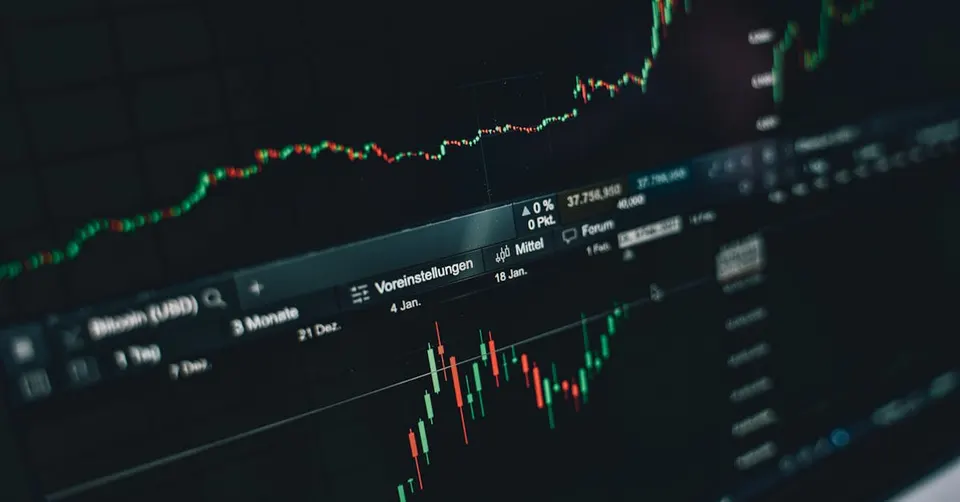
While the diplomatic cables suggest a breakthrough, the situation on the ground in Lebanon tells a different story. Israel has intensified its military campaign, launching over 120 airstrikes against Hezbollah targets in a single day. This escalation complicates the U.S.-led peace efforts, as Tehran has insisted that any definitive end to the war must include a cessation of attacks on its regional allies. For investors, this creates a volatile environment where "peace rumors" are constantly battling "war headlines." The tension is palpable in the crypto markets, where Bitcoin (BTC) is holding at $75,110, reflecting a cautious wait-and-see approach from global traders who are hedging against a sudden collapse of the draft deal.
Market Reaction: Gold Dips as the Toman Holds its Ground
In the local markets, the reaction to these conflicting signals has been nuanced. The US Dollar remained remarkably stable at 173,000 Toman, showing no change over the last 24 hours. This stability suggests that the market has already priced in the current level of regional tension and is waiting for a concrete signature on a peace treaty before moving in either direction. However, the gold market showed more sensitivity; 18k gold fell from 18,774,874 to 18,451,913 Toman, a decline of 1.7%. This dip reflects a cooling of the "war premium" as the prospect of the Strait of Hormuz reopening begins to outweigh the immediate fear of further escalation.
Beyond the local borders, the three-month closure of the Strait is continuing to wreak havoc on global supply chains. Shortages in energy and manufactured goods are deepening, with developing nations bearing the brunt of the economic fallout. Federal Reserve officials in the U.S. have begun warning that the world may need to adjust to lower consumption levels if these physical supply constraints are not resolved soon. For the Iranian reader, this means that while local prices might stabilize on news of a deal, the global inflationary pressure caused by the last 90 days of conflict will likely keep the cost of imported goods high for the foreseeable future. The "real guarantor" of the economy is no longer just the exchange rate, but the physical flow of oil through the world's most vital maritime artery.
Technical Trends and the Future of Digital Payments
As the internet returns, the technological landscape in Iran is also shifting. During the blackout, there was a significant surge in the adoption of decentralized tools and offline-capable financial technologies. Now, as connectivity resumes, companies like Mastercard are securing new licenses for stablecoin infrastructure globally, a trend that Iranian tech-savvy investors are watching closely. The launch of new marketplaces for tokenized real-world assets on networks like Solana indicates that the future of finance is moving toward blockchain-based settlement, even as traditional banking remains hampered by sanctions. For those who managed to navigate the 88-day silence, the focus is now on securing assets in a way that is resilient to future disruptions, whether they be physical blockades or digital ones.
Frequently Asked Questions
Why is the internet being restored in Iran now?
Why did gold prices fall while the dollar remained stable?
What is the significance of the 'guarantor' comment regarding the Strait of Hormuz?
How is the conflict in Lebanon affecting the peace talks?
Why the Strait of Hormuz Matters: A Chokepoint Shaping Global Energy and Economics
The Strait of Hormuz, a narrow waterway between Iran and Oman, is one of the world’s most critical maritime chokepoints. Roughly 21 million barrels of oil and about 2 million barrels of petroleum products pass through it every day, representing around 20% of global oil consumption. Because the strait is only about 39 km wide at its narrowest point, any disruption—whether from military tension, piracy, or a negotiated closure—can instantly reverberate through international energy markets, pushing oil prices higher and prompting rapid shifts in currency and commodity valuations.
Geopolitical dynamics around Hormuz have long been tied to regional rivalries, especially between Iran and the United States, as well as the broader Iran‑Saudi rivalry. When Iran hints at closing the strait in response to sanctions or perceived threats, markets react not only with higher crude prices but also with increased demand for safe‑haven assets like gold and, more recently, cryptocurrencies such as Bitcoin. The 2026 rumors of a “Hormuz peace deal” therefore carry weight far beyond diplomatic headlines; they signal a potential easing of a key supply‑chain risk that could lower oil‑linked inflation and stabilize exchange rates in sanction‑hit economies like Iran.
The economic ripple effects are evident in the Iranian rial’s volatile USD/IRR exchange rate. Sanctions‑driven isolation has forced Iran to rely on informal markets and alternative currencies, while a stable Hormuz corridor would likely ease oil‑related revenue pressures, offering the government a modest fiscal breathing room. This, in turn, can affect the price of gold in Tehran—often used as a hedge against currency depreciation—and even the appetite for Bitcoin, which surged when Iranian citizens sought a borderless store of value amid internet blackouts.
Beyond oil, the strait’s significance extends to global supply chains. A disruption can delay shipments of liquefied natural gas, petrochemicals, and even non‑energy goods that travel on the same vessels, exacerbating the broader 2026 supply‑chain crisis that has already strained manufacturing and logistics worldwide. Analysts therefore watch diplomatic developments around Hormuz as a leading indicator of both energy price stability and the health of global trade networks.
In short, the Strait of Hormuz is not just a geographic narrowness; it is a linchpin linking geopolitics, commodity markets, currency stability, and the digital economy. Understanding its role helps explain why rumors of a peace deal can move gold prices, influence Bitcoin’s allure, and even affect the daily internet experience of Tehran’s residents.
Topics
Related Articles