White House Refutes Hormuz Deal Rumors as War-Driven Aluminum Shortage Rattles Global Markets
رد شایعات توافق هرمز توسط کاخ سفید؛ بحران آلومینیوم بازارهای جهانی را تکان داد
The White House has officially denied reports of an 'unofficial' deal with Iran to reopen the Strait of Hormuz, cooling market optimism. Meanwhile, a global aluminum crisis is emerging as the regional conflict chokes critical supply chains for the aerospace and energy sectors.
At time of publishing
USD
173,000
Toman
Gold 18K
18.60M
Toman / gram
Bitcoin
$75,322
US Dollar
Tether
171,655
Toman
The 'Deal or No Deal' Tug-of-War: White House Rejects Tehran's Narrative
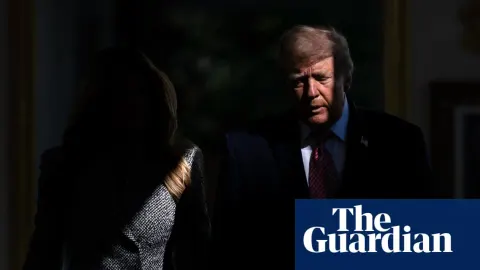
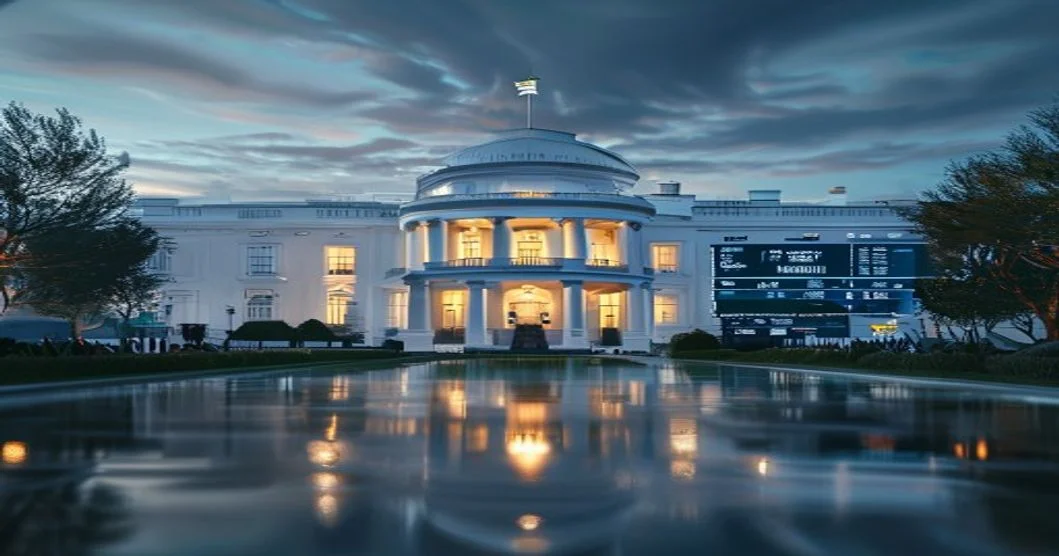
In a sharp reversal of the morning's optimistic sentiment, the White House has officially denied the existence of an 'unofficial' deal with Tehran, as reported by Iranian state media. The purported agreement suggested a major diplomatic breakthrough: Iran would reopen the Strait of Hormuz to commercial traffic in exchange for the United States lifting its naval blockade on Iranian ports. This news briefly sent ripples through the currency and gold markets, but the Biden administration's swift denial has re-anchored expectations to a more cautious reality. While the Toman remained stable at 173,000 per USD, the gold market in Tehran saw a slight decline of 1.0%, bringing the price of 18k gold to 18,596,426 Toman per gram as traders hedged against the possibility of a de-escalation.
This diplomatic friction highlights the immense pressure both sides are under to find an exit strategy from the current maritime deadlock. For Iran, the naval blockade has significantly hampered its ability to export crude and import essential goods, leading to the current push for 'multilateralism' at security forums in Moscow. For the U.S., the closure of the Strait of Hormuz has created an energy and commodity shock that is beginning to bleed into domestic inflation. The White House's denial suggests that while back-channel communications may be occurring, the terms currently being discussed are far from a formal or even a functional consensus. This leaves the geopolitical risk premium firmly embedded in market prices for the foreseeable future.

The Invisible Crisis: Aluminum Markets Face 'Prolonged' Outage
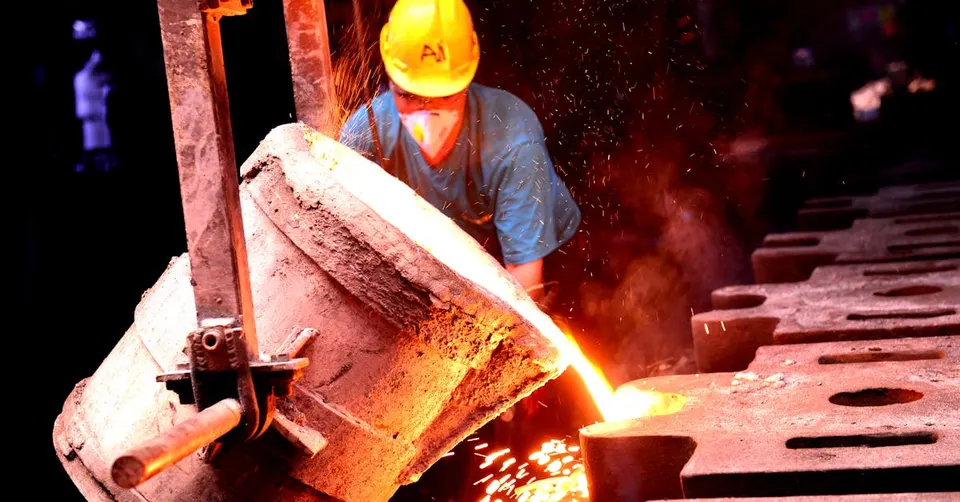
While the world has focused on the price of oil, a more insidious crisis is brewing in the industrial metals sector. Analysts are now warning of a 'serious and prolonged' supply outage in the aluminum market, directly tied to the ongoing conflict in the Persian Gulf and the resulting shipping bottlenecks. Aluminum is the third most used metal globally, essential for everything from power grids and beverage cans to high-tech aerospace components. The disruption in the Strait of Hormuz has effectively paralyzed the movement of bauxite and refined aluminum from the region, which serves as a critical hub for global supply. As inventory levels drop, manufacturing costs are expected to spike, potentially leading to a new wave of industrial inflation across Europe and Asia.
This shortage is particularly concerning for the transition to green energy. Aluminum’s high strength-to-weight ratio and excellent conductivity make it indispensable for electric vehicle (EV) frames and renewable energy infrastructure. A sustained outage doesn't just mean more expensive consumer goods; it threatens to delay global climate goals by making the hardware of the energy transition prohibitively expensive. In Tehran, this global volatility is mirrored in the gold and coin markets, where Emami coins are holding steady at 183,000,000 Toman, reflecting a broader 'wait-and-see' approach from institutional investors who are monitoring these industrial supply chains as a proxy for the conflict's duration.
The Moscow Axis: Pushing Multilateralism Amid Rising Spy Warnings
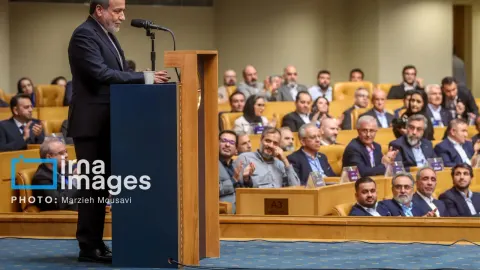
As the diplomatic rift with the West widens, Iran is increasingly looking toward the East to solidify its strategic position. High-ranking officials from Iran’s Supreme National Security Council are currently in Moscow, utilizing a global security forum to advocate for a 'multilateral' world order. This move is explicitly framed as a pushback against what Tehran describes as U.S. 'bullying' and unilateral sanctions. By aligning more closely with Russia, Iran aims to create an alternative financial and security architecture that is insulated from Western pressure. However, this deepening alliance is being met with alarm in Europe. The director of Britain’s electronic surveillance agency recently issued a stern warning, noting that Moscow is becoming increasingly 'brazen' in its hybrid warfare and intelligence operations, with Russian casualties in the Ukraine war now estimated to exceed 500,000.
This geopolitical shift has profound implications for the regional economy. The 'Moscow Axis' is not just a military partnership; it is an attempt to bypass the global USD-based financial system. If Iran and Russia successfully integrate their banking and security protocols, it could provide a template for other nations seeking to evade Western sanctions. For the average reader in Iran, this means that while the Toman may remain volatile against the dollar, the long-term economic strategy of the state is pivoting toward a reality where the West is no longer the primary trade partner. This structural change is likely to dictate market trends for years, regardless of whether a temporary 'deal' for the Strait of Hormuz is eventually reached.
Human Resilience: Gold Seekers Rescued in Laos
In a rare piece of positive news amidst the global tension, rescue teams in Laos have successfully located five men who were trapped in a flooded cave for over a week. The men had entered the narrow, muddy chamber in search of gold—a testament to the desperate lengths individuals are going to as global commodity prices remain at historic highs. While two people remain missing, the survival of the five men in such harsh conditions has been hailed as a miracle. This event serves as a stark reminder of the human cost of the 'gold fever' that has gripped the world as traditional currencies face unprecedented pressure. Even in remote corners of Southeast Asia, the global economic crisis is driving people to take extreme risks in search of the security that precious metals represent.
Frequently Asked Questions
Why did the White House deny the reported deal with Iran?
How is the conflict in the Persian Gulf affecting the aluminum market?
What happened to the price of gold in Tehran following these reports?
What is the significance of the Iranian delegation's visit to Moscow?
Strategic Maritime Chokepoints: Why the Strait of Hormuz Matters
A maritime chokepoint is a narrow waterway that forces a large share of global trade to pass through a confined space. Because ships cannot easily reroute around these passages, any disruption—whether from geopolitical tension, piracy, or natural disaster—can instantly ripple through world markets, inflating prices and creating supply‑chain bottlenecks. The Strait of Hormuz, a 21‑nautical‑mile channel between Oman and Iran, is the archetype of such a chokepoint, funneling roughly 20% of the world’s petroleum and a significant share of other commodities like aluminum and copper.
The economic stakes are enormous. When a country threatens to block or mine the strait, shipping insurers raise premiums, and vessel owners may seek longer, costlier routes around the Cape of Good Hope. These added costs are quickly passed on to consumers, manifesting as higher fuel, metal, and even food prices. The 2021‑2022 surge in aluminum prices, for example, was partly blamed on fears of a Hormuz shutdown that would have constrained the flow of bauxite and alumina from the Middle East to Europe and North America.
Beyond commodities, chokepoints affect currency markets. Nations that rely heavily on oil export revenues—like Iran—see their exchange rates swing sharply when Hormuz‑related risk premiums rise, because the perceived risk reduces demand for their currency. This dynamic helps explain the volatile USD/IRR movements observed in 2026, as rumors of a blockade spurred capital flight and heightened demand for the U.S. dollar.
Historically, control of chokepoints has been a lever of power. From the British dominance of the Suez Canal in the 19th century to modern naval posturing in the South China Sea, states use the threat of denial to extract political concessions. In the case of Hormuz, Iran’s strategic calculus blends security concerns with economic leverage, while external powers—especially the United States—maintain a naval presence to ensure the free flow of trade.
Understanding chokepoints clarifies why a seemingly localized dispute can trigger global market turbulence. It also underscores the importance of diplomatic channels and multilateral security forums, such as the Iran‑Russia security dialogue, which aim to keep these vital arteries open and mitigate the spill‑over effects on everything from aluminum sheets to gold prices.
Topics
Related Articles