Digital Thaw Reveals 300% Inflation Shock in Iran as Trump Defies Peace Deal Pressure
شوک تورم ۳۰۰ درصدی پس از وصل مجدد اینترنت؛ ترامپ شایعات توافق فوری را رد کرد
As internet access returns to Iran after an 88-day blackout, citizens are reeling from a 308% surge in food prices. Meanwhile, President Trump has signaled he will not be rushed into a peace deal, even as global investors flood into travel stocks betting on an end to the conflict.
At time of publishing
USD
173,000
Toman
Gold 18K
18.65M
Toman / gram
Bitcoin
$74,725
US Dollar
Tether
172,097
Toman
The Digital Thaw and the 308% Reality Check
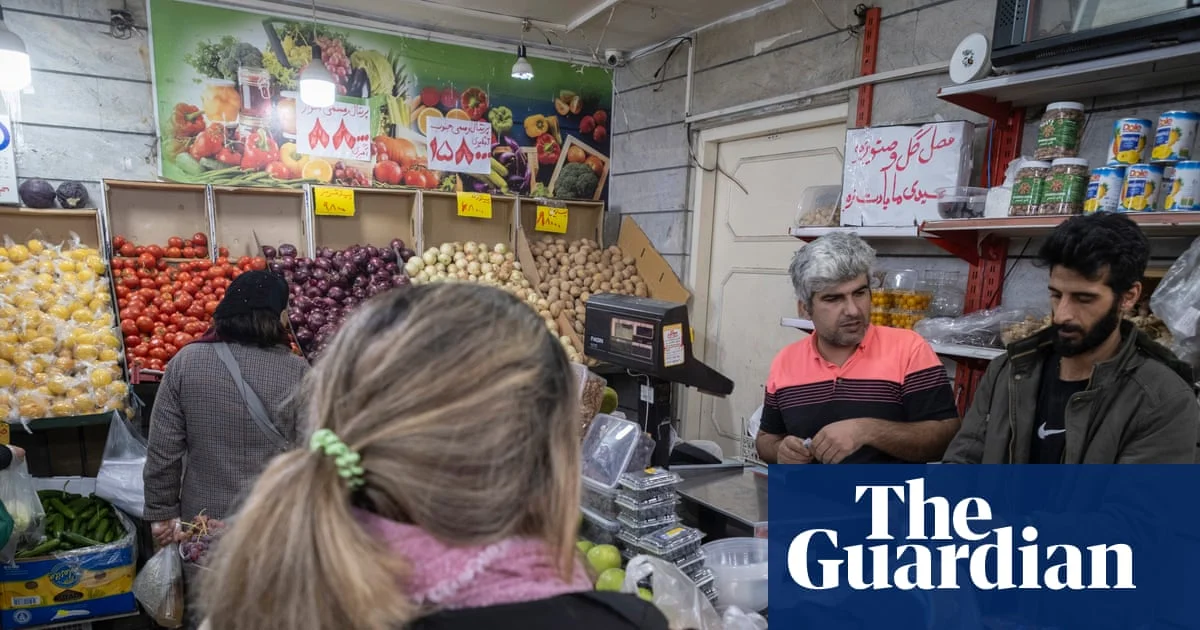
After nearly three months of near-total digital isolation, the partial restoration of global internet access in Iran has not brought the relief the government might have hoped for. Instead, it has opened a floodgate of domestic frustration as citizens finally share the staggering scale of the economic toll taken during the conflict. Reports emerging from within the country indicate that the cost of living has entered a hyper-inflationary spiral, with vegetable oil prices skyrocketing by 308% and staples like chicken and rice rising by 190% and 170% respectively. This data confirms that while the official USD/IRR rate has remained frozen at 173,000 for several sessions, the internal purchasing power of the Toman has effectively collapsed.
The timing of the internet's return is seen by many analysts as a calculated risk by the Iranian authorities to vent social pressure, but the move may backfire. The disconnect between the 'stabilized' currency rate and the reality of grocery store shelves is creating a dangerous social friction. For the average Iranian reader, the 'peace' being discussed in high-level diplomatic circles feels disconnected from the immediate crisis of food security. The market's stillness—with the Toman showing 0.0% change over the last 24 hours—is not a sign of health, but a symptom of a market in a state of suspended animation, waiting for a geopolitical catalyst that refuses to arrive.
Trump’s Hardline Stance: No Midterm Miracles
Despite the flurry of rumors regarding a breakthrough in the Strait of Hormuz, President Donald Trump has thrown cold water on expectations of a quick diplomatic exit. In a cabinet meeting held on Wednesday, Trump asserted that he would not let domestic political pressure or the upcoming midterm elections sway his strategy. His rhetoric remains combative, stating that he is "not satisfied" with the current terms offered by Tehran and reiterating that the United States will ensure Iran never regains control over the world’s most critical energy chokepoint. This stance complicates the narrative of an imminent deal that had begun to circulate in European and Asian markets earlier this week.
This geopolitical stalemate is the primary reason why the USD/IRR exchange rate has remained locked at 173,000. Traders are paralyzed; they are unwilling to buy more Dollars at these historic highs for fear of a sudden peace-driven crash, yet they are equally afraid to sell while Trump continues to suggest that he might "finish the job" militarily. The lack of movement in the Emami coin, which held steady at 183,000,000 Toman, reflects this total lack of conviction. Until a definitive signal emerges from Washington or Tehran, the Iranian market remains a coiled spring, accumulating tension without any directional outlet.

The 'Peace Trade' Ignites Global Equity Markets
While the politicians remain locked in a war of words, the 'smart money' on Wall Street is already betting on a resolution. On Wednesday, travel and leisure stocks led the S&P 500's gains, with shares of Delta Air Lines, United Airlines, and MGM Resorts surging as investors bet that the Iran conflict is entering its final act. This optimism is driven by the belief that the economic cost of the war—evidenced by soaring electricity prices in Germany and supply chain disruptions in China—has reached a point where all parties are incentivized to find a face-saving exit. However, some market strategists warn that this rally may be premature, potentially setting up a massive 'buy the rumor, sell the fact' correction if talks fail.
For the Iranian gold market, this global shift has already manifested in a slight cooling of prices. Gold 18k/gram fell from 18,774,874 to 18,650,907 Toman, a -0.7% decrease that suggests some local investors are beginning to hedge against a potential de-escalation. If the 'peace trade' gains further momentum, we could see a significant rotation out of safe-haven assets like gold and back into riskier equities. For now, the global gold price remains elevated at $4,456.50 per ounce, reflecting the fact that while travel investors are hopeful, the broader world still sees the Middle East as a high-stakes gamble that is far from over.

Frequently Asked Questions
Why is the Toman exchange rate frozen at 173,000 despite the crisis?
How did the internet blackout affect the reporting of Iranian inflation?
Why are travel stocks rising if Trump says there is no deal yet?
Understanding Hyperinflation: Why Prices Can Triple Overnight
Hyperinflation is an extreme form of inflation where the general price level rises at an accelerating rate, often exceeding 50% per month. It erodes the real value of a currency so quickly that people lose confidence in money as a store of value, turning to barter or foreign currencies instead. Economists measure it using the Consumer Price Index (CPI), which tracks the price changes of a basket of goods and services over time. When the CPI skyrockets, wages, savings, and contracts become meaningless unless they are constantly adjusted.
Several forces can trigger hyperinflation. A common catalyst is a sharp devaluation of the national currency, which makes imports far more expensive; this cost is passed on to consumers, feeding a price spiral. Fiscal deficits financed by printing money also inject excess liquidity into the economy, amplifying demand while supply remains constrained. Political instability, sanctions, and supply shocks—such as a crisis in the Strait of Hormuz that disrupts oil revenues—can exacerbate these dynamics, as seen in Iran in 2026 where food prices surged by 300%.
The consequences are severe. Savings evaporate, real wages plummet, and businesses struggle to set prices or plan investments. In response, many citizens and firms resort to using more stable foreign currencies like the U.S. dollar, or they turn to tangible assets such as gold. Governments may attempt to stabilize the situation by imposing price controls, tightening monetary policy, or seeking external assistance, but these measures often prove insufficient without addressing the underlying fiscal and monetary imbalances.
Understanding hyperinflation helps policymakers and investors anticipate the risks of rapid currency depreciation and design safeguards—such as diversified asset holdings or inflation‑linked contracts—to protect wealth. For ordinary citizens, recognizing the warning signs, like rapidly rising exchange rates and persistent supply bottlenecks, can inform smarter budgeting and savings decisions.
Topics
Related Articles