Bitcoin ETF Bleeds $528M as US Strikes on Southern Iran Send Oil Prices Surging
خروج ۵۲۸ میلیون دلار از ETF بیتکوین همزمان با جهش قیمت نفت در پی حملات آمریکا به جنوب ایران
BlackRock's Bitcoin ETF has recorded its second-largest outflow ever as geopolitical tensions in the Middle East trigger a massive 'risk-off' move. While Bitcoin fell below $73,000, oil prices spiked following US airstrikes on drone facilities in Southern Iran.
At time of publishing
USD
173,000
Toman
Gold 18K
18.37M
Toman / gram
Bitcoin
$72,740
US Dollar
Tether
174,377
Toman
Institutional Retreat: BlackRock’s IBIT Sheds $528 Million
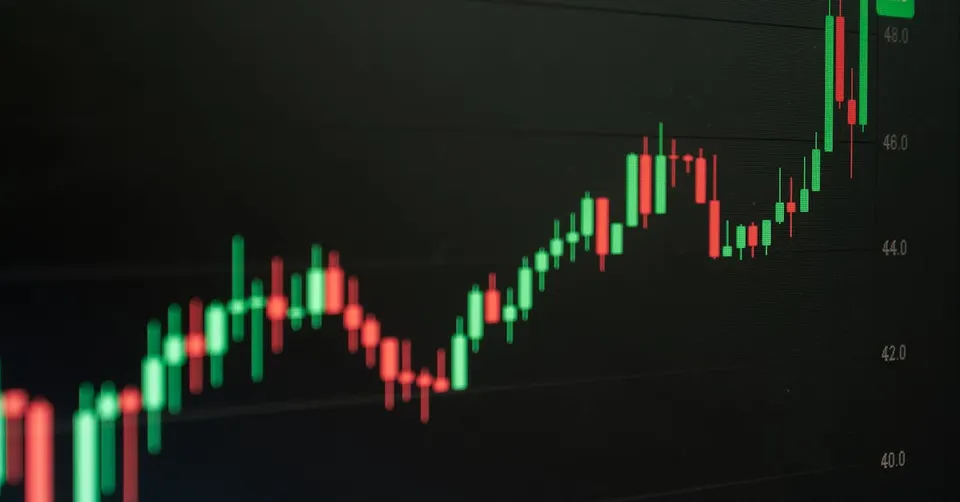
The cryptocurrency market is reeling this morning after BlackRock’s iShares Bitcoin Trust (IBIT) recorded a staggering $528 million net outflow on Wednesday. This figure represents the second-largest single-day withdrawal since the fund's inception, narrowly missing the all-time record set in January by less than half a million dollars. The exodus of institutional capital comes as Bitcoin plummeted below the $73,000 mark, currently trading at $72,740. This sudden shift in sentiment highlights the extreme sensitivity of institutional 'paper gold' to geopolitical instability, as traders rush to liquidate positions in favor of safer havens.
The sell-off was not limited to spot markets; the broader crypto ecosystem saw nearly $1 billion in leveraged positions liquidated within a matter of hours. This 'long squeeze' was triggered by a 3% to 4% drop across major tokens as news of military escalations reached trading desks. For Iranian investors, who often use Tether (USDT) as a hedge against local currency volatility, the situation is complex: while the global price of BTC is falling, the premium on USDT in the local market remains high at 174,377 Toman, reflecting a persistent demand for dollar-pegged assets despite the global turbulence.
Geopolitical Escalation: US Strikes and the Oil Price Spike
Tensions in the Middle East reached a new boiling point as the United States conducted fresh airstrikes on military targets in Southern Iran. According to US officials, the strikes were a 'self-defense' measure targeting drone ground-control stations and attack drone facilities. This move has effectively shattered the fragile ceasefire that markets had begun to price in, reigniting fears of a broader regional conflict. The timing is particularly sensitive as both Tehran and Washington were reportedly engaged in peace talks, making this escalation a significant setback for diplomatic efforts.
Energy markets reacted instantaneously to the news. Brent crude jumped 2.17% to trade at $96.34, while WTI rose to $90.51. The market’s primary concern remains the security of the Strait of Hormuz, a critical chokepoint for global oil transit. While the USD/IRR rate in Tehran has remained steady at 173,000 Toman this morning, the 1.5% drop in 18k gold (falling from 18,650,907 to 18,365,575 Toman) suggests that some local investors are shifting liquidity or reacting to the global gold price movements rather than purely local currency fluctuations. However, history suggests that sustained military tension often precedes a delayed surge in the free-market dollar rate.
The $3.4 Trillion Energy Gamble: IEA’s New Outlook
Amidst the immediate chaos of military strikes, the International Energy Agency (IEA) released a landmark report forecasting a record $3.4 trillion in global energy investment for the current year. The agency notes that this massive capital deployment is a direct response to what it calls the 'second energy crisis in less than five years.' Interestingly, the report highlights a growing divergence: while $2.2 trillion is being funneled into electricity infrastructure, including grids, storage, and renewables, a significant $1.2 trillion still flows into fossil fuels to ensure short-term energy security.
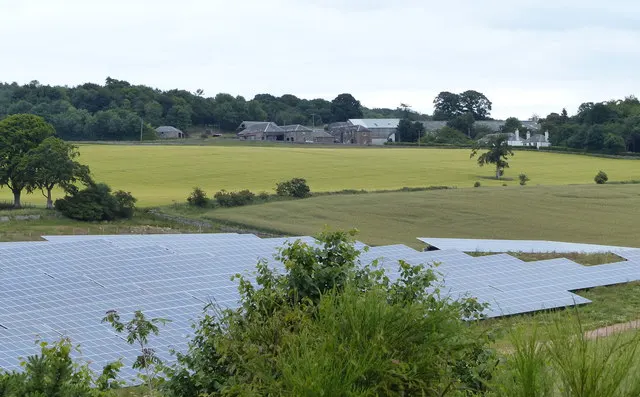
This massive investment boom reflects a world caught between two realities. On one hand, the long-term push for decarbonization is accelerating, but on the other, the immediate threat to supply chains—exemplified by today's strikes in the Persian Gulf—forces nations to continue pouring billions into oil and gas. For a major energy producer like Iran, these global shifts are critical. As the IEA predicts a decline in specific crude oil investments over the long term, the pressure on oil-dependent economies to diversify has never been higher, even as short-term price spikes provide a temporary revenue cushion.
Local Market Focus: Gold and Coin Stability
Despite the global volatility, the domestic Iranian market showed a curious mix of stability and minor corrections in the last 24 hours. The Emami coin remained unchanged at 183,000,000 Toman, showing a level of resistance against the downward pressure seen in the gold gram price. Gold 18k per gram saw a 1.5% decrease, moving from 18,650,907 to 18,365,575 Toman. This suggests that while the 'bubble' in the coin market remains intact due to high demand for physical assets, the raw gold price is tracking more closely with international trends and a stable local dollar.

For the average consumer, this hour represents a 'wait and see' period. The USD sell rate is holding firm at 173,000 Toman, but the volatility in the crypto and energy sectors often serves as a leading indicator for the Tehran bazaar. If oil prices continue their upward trajectory and geopolitical rhetoric intensifies, the relative calm in the currency market may be tested before the week is out. Investors are advised to keep a close eye on the AED/IRR rate (currently at 47,600), as the Dirham often acts as the primary signal for upcoming moves in the Tehran dollar rate.
Frequently Asked Questions
Why did BlackRock's Bitcoin ETF (IBIT) see such a massive outflow today?
How are the US strikes on Iran affecting the price of oil?
Why is the Iranian Toman (USD/IRR) stable despite the military escalation?
Geopolitical Risk and Asset Allocation
Geopolitical risk refers to the potential for political events, conflicts, or instability in one region to have significant ripple effects across global financial markets. Such events, like the US strikes on Southern Iran mentioned in the headline, introduce a high degree of uncertainty, prompting investors to re-evaluate the risk profiles of their portfolios. This immediate reaction often leads to a phenomenon known as a "flight to safety," where capital rapidly shifts from perceived riskier assets to those traditionally considered more secure.
In times of heightened geopolitical tension, traditional safe-haven assets often see an influx of capital. Gold, for instance, is a classic example, valued for its historical stability. Commodities like oil can also surge, not necessarily as a safe haven in the traditional sense, but due to supply concerns and a "risk premium." The Strait of Hormuz, a critical chokepoint for global oil shipments, is particularly sensitive to tensions in the Middle East. Any threat to its stability directly impacts oil prices, as the market prices in potential disruptions to supply.
Conversely, assets perceived as higher risk, or those that thrive in periods of stability and growth, tend to suffer. While some proponents view Bitcoin as "digital gold" or a hedge against traditional financial instability, in moments of acute geopolitical crisis, it often behaves more like a risk asset. The outflows from Bitcoin ETFs and the subsequent price crash mentioned in the headline illustrate this. Investors, seeking liquidity and a clearer risk profile, may divest from cryptocurrencies, which are still considered volatile and less understood by a broad range of institutional investors compared to established safe havens.
Understanding geopolitical risk and how it influences asset allocation is crucial for investors. It highlights the interconnectedness of global events and financial markets, demonstrating why events thousands of miles away can directly impact the value of diverse assets, from crude oil to digital currencies, and underscores the importance of a diversified portfolio strategy that accounts for such unpredictable shifts in global sentiment.
Topics
Related Articles