Trump Vows to 'Finish Job' as US-Iran Strikes Escalate; Crypto Markets Shed $80B in Volatile Session
وعده ترامپ برای «تمام کردن کار» همزمان با تشدید درگیریها؛ سقوط ۸۰ میلیارد دلاری بازار کریپتو
Geopolitical tensions have reached a critical flashpoint as President Trump issues a stark warning to Tehran following a series of retaliatory strikes. The escalating conflict has triggered massive liquidations in the crypto market and pushed the USD/IRR rate higher in Tehran's local markets.
At time of publishing
USD
173,500
Toman
Gold 18K
18.44M
Toman / gram
Bitcoin
$73,160
US Dollar
Tether
173,284
Toman
The 'Finish Job' Rhetoric and Military Escalation
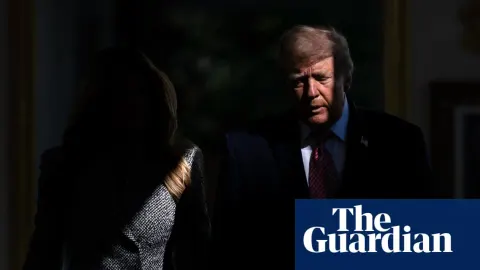
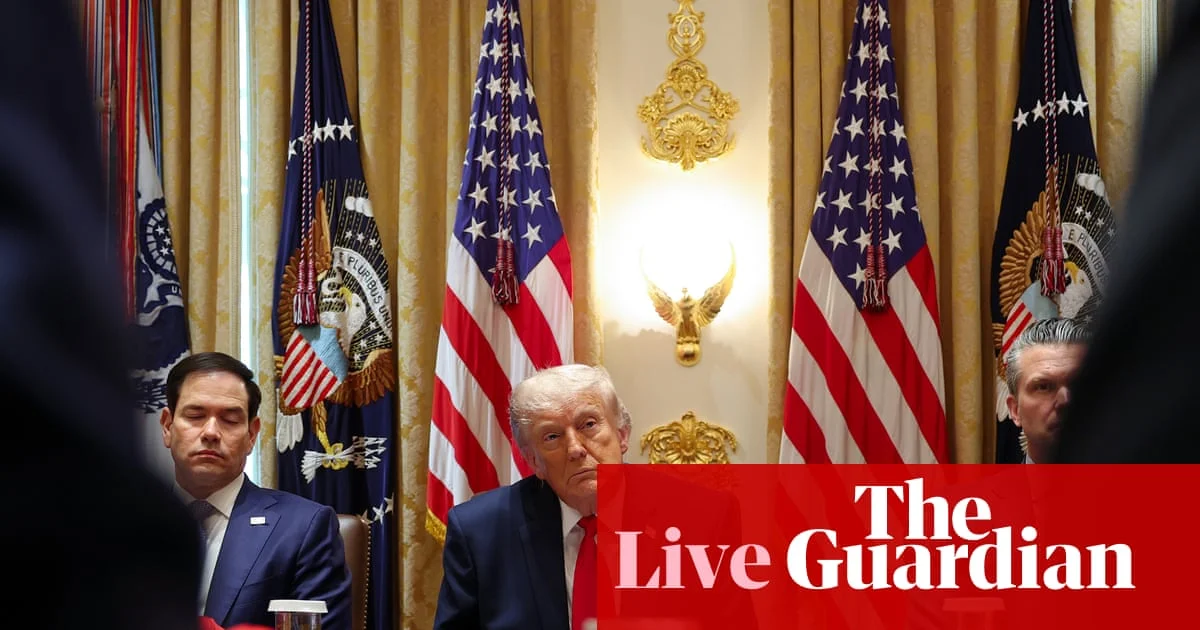
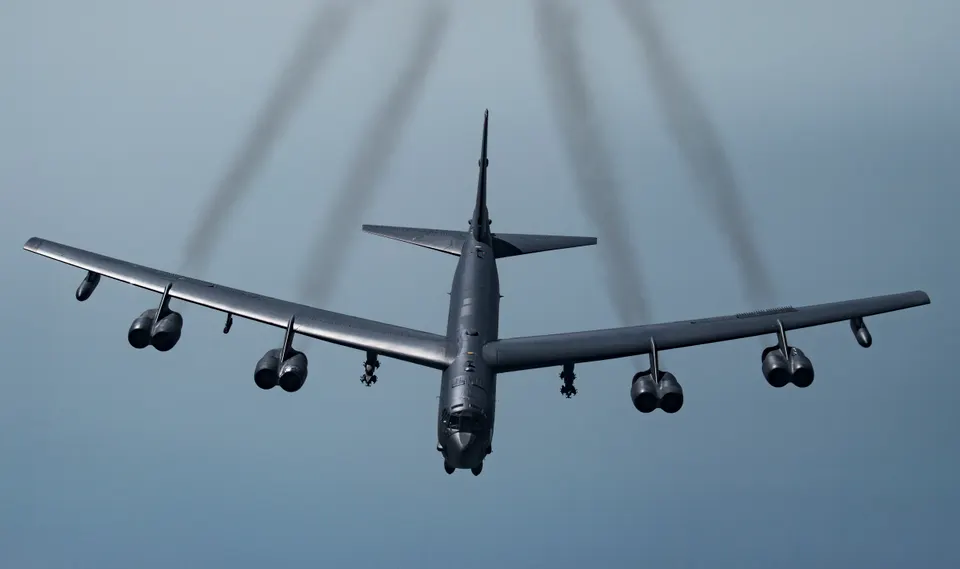
The fragile ceasefire in the Middle East has effectively shattered this Thursday as the United States and Iran traded direct military strikes. President Donald Trump, speaking from a cabinet meeting at the White House, issued a chilling warning that he may have to "finish the job" if Tehran does not comply with U.S. demands regarding regional security and the reopening of the Strait of Hormuz. This rhetoric follows a reported retaliatory strike by the Islamic Revolutionary Guards Corps (IRGC) against a U.S. base, an action the IRGC claims was a direct response to recent American operations in Southern Iran.
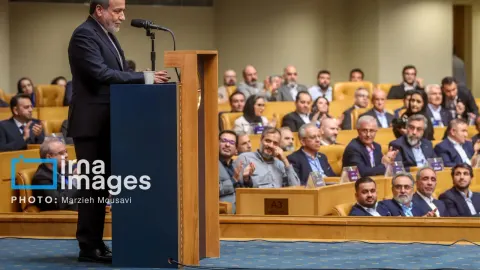
Foreign Ministry spokesperson Esmaeil Baghaei has condemned the U.S. stance, particularly Trump’s threats toward regional allies like Oman. The situation has moved beyond diplomatic posturing into a high-stakes military standoff that has left global observers questioning the viability of any near-term peace deal. For the Iranian public, this escalation has immediate economic consequences, as the uncertainty directly feeds into the volatility of the national currency and the cost of imported goods.
Maritime Power Play in the Strait of Hormuz
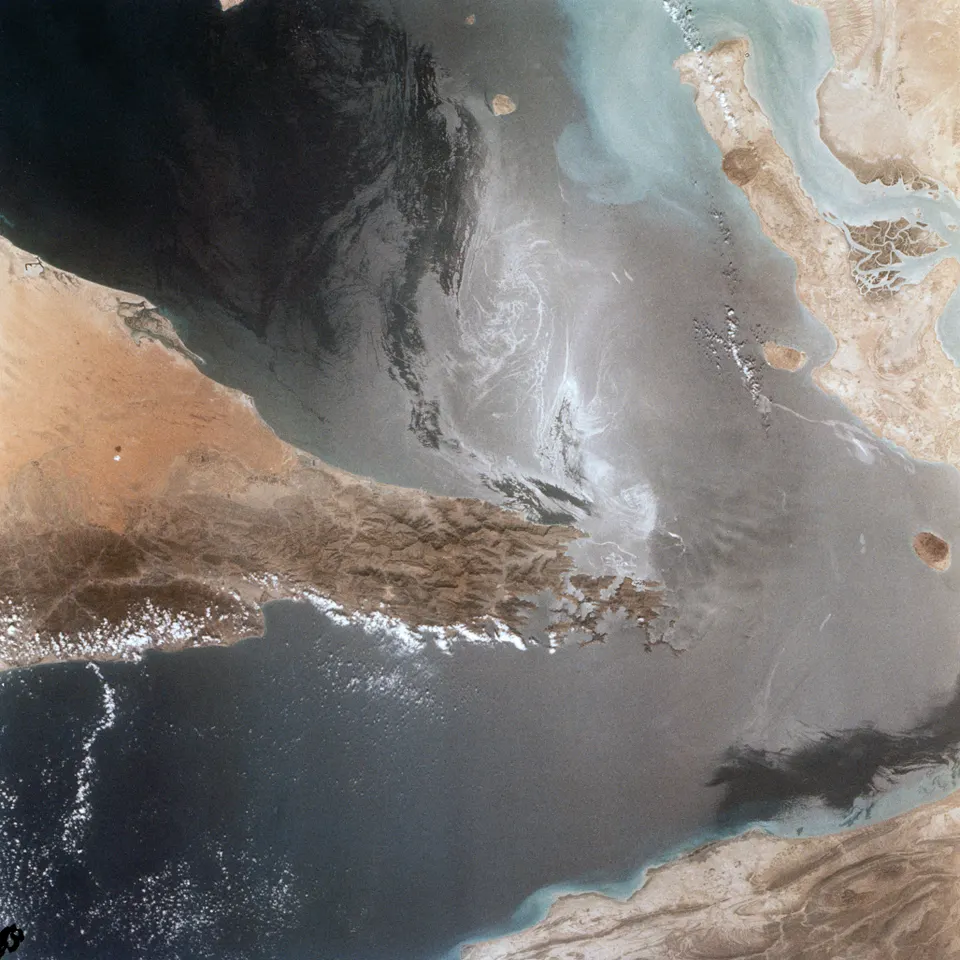
Despite the heated rhetoric, the IRGC Navy reported today that 23 commercial vessels, including several oil tankers and container ships, successfully transited the Strait of Hormuz under their "coordinated oversight" within the last 24 hours. This announcement serves as a strategic signal to the world that Tehran maintains operational control over the world's most vital energy artery. It stands in stark contrast to President Trump's threats to take drastic measures against any nation that facilitates Iranian maritime interests against U.S. policy.
Data from Kpler and LSEG confirms that at least two supertankers carrying Saudi and Emirati crude have cleared the waterway, destined for China and India. The presence of these vessels highlights the global dependency on this corridor, even as military tensions spike. Any sustained disruption here would likely send oil prices into a parabolic ascent, a scenario that both Washington and Tehran are currently using as leverage in their ongoing psychological and kinetic warfare.
Market Reaction: A $1 Billion Crypto Liquidation
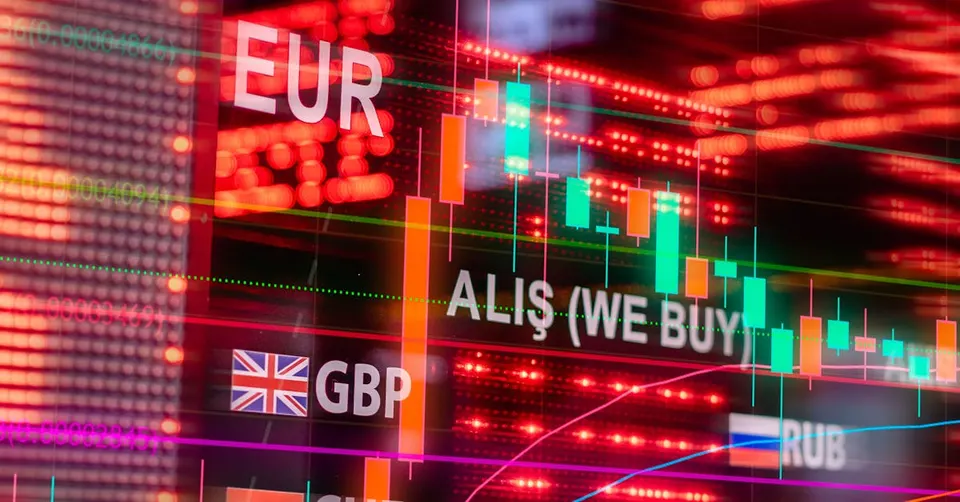
The financial response to the military escalation was swift and brutal. The total crypto market capitalization shed over $80 billion in a matter of hours as news of the fresh strikes broke. Bitcoin (BTC) tumbled from its recent highs, falling below the $73,000 mark to reach a six-week low, currently trading at $73,160. This move triggered nearly $1 billion in liquidations of leveraged positions, catching many retail traders off guard who had priced in a de-escalation that failed to materialize.
In the local Iranian market, the currency reflected the regional anxiety. The USD sell rate moved from 173,000 to 173,500 Toman, marking a +0.3% increase in just 24 hours. Meanwhile, gold prices saw a slight retreat as investors moved toward more liquid cash positions amid the chaos; Gold 18k per gram fell from 18,650,907 to 18,435,523 Toman (-1.2%). The divergence in the Ethereum market is particularly noteworthy, where despite price drops below $2,000, futures open interest has hit a record 16 million ETH, suggesting that institutional players are aggressively shorting the asset in anticipation of further turmoil.
Global Policy Shifts and Economic Pressures
Beyond the immediate conflict zone, the global economy is grappling with secondary effects. In the UK, a significant 'reset' deal with the EU is set to scrap Brexit-related red tape for food exports by 2027, a move aimed at stabilizing a domestic economy battered by years of trade friction. However, these long-term structural improvements are being overshadowed by the immediate threat of energy price spikes and the rising cost of living, exemplified by the '£5 coffee' now becoming a norm in major cities due to global supply chain disruptions.
In the tech sector, luxury manufacturers like Vertu are attempting to pivot toward the elite with AI-integrated hardware, such as the new $6,880 foldable phone designed for CEOs to manage companies via AI agents. While these niche developments continue, the broader tech industry is seeing a moderation in 'AI doomsday' warnings. Leaders like Sam Altman and Jensen Huang are now suggesting that previous predictions of mass job losses may have been overstated, focusing instead on how AI can augment productivity during periods of global geopolitical instability.
Watch
Trump met with 'laughter and silence' by US allies in Gulf region • FRANCE 24 English
FRANCE 24 English
Frequently Asked Questions
Why did Donald Trump threaten Oman in the latest briefing?
What caused the $1 billion in crypto liquidations today?
Is the Strait of Hormuz currently closed to shipping?
How has the USD/IRR exchange rate reacted to the escalation?
The Strategic Importance of the Strait of Hormuz
The Strait of Hormuz is a narrow waterway that connects the Persian Gulf with the Gulf of Oman and the wider Indian Ocean. At its narrowest point it is only about 21 nautical miles wide, yet roughly one‑third of the world’s daily oil consumption—about 20 million barrels—passes through it each day. This makes the strait a critical chokepoint for global energy markets, and any disruption can instantly ripple through oil prices, exchange rates, and even seemingly unrelated assets like cryptocurrencies and gold.
Geopolitically, the strait sits between Iran and the United Arab Emirates, giving both nations—and the United States, which maintains a naval presence—to influence its security. Iran’s Revolutionary Guard Corps (IRGC) Navy has repeatedly threatened to close the strait in response to sanctions or military actions, while the U.S. Navy conducts freedom‑of‑navigation operations to assure commercial shipping. These flashpoints create a “geopolitical risk premium” that investors price into commodities and currencies; for example, heightened tension in May 2026 helped push the USD/IRR exchange rate higher and contributed to a sharp sell‑off in Bitcoin, wiping out roughly $80 billion in market value.
Because oil is priced in U.S. dollars, any threat to its flow through the Hormuz corridor also affects the dollar’s strength. When traders anticipate a supply shock, they often move capital into safe‑haven assets such as gold, which saw a price jump during the 2026 crisis. Conversely, risk‑on assets—including many crypto tokens—tend to suffer steep declines as liquidity dries up and margin calls trigger massive liquidations.
Understanding the strategic dynamics of the Strait of Hormuz therefore helps explain why a regional conflict can have outsized effects on global financial markets. It illustrates the interconnectedness of geopolitics, energy logistics, and investor behavior, reminding market participants that even a narrow maritime passage can become a catalyst for worldwide economic turbulence.
For a deeper dive, explore the historical incidents that have shaped the strait’s security environment, the legal framework governing international navigation, and the ways in which modern satellite monitoring is used to track vessel movements in real time.
Topics
Related Articles