US-Iran Missile Exchange Shatters Ceasefire as Trump Rejects Hormuz Deal and Threatens Oman
تبادل آتش سنگین ایران و آمریکا؛ توافق هرمز در آستانه فروپاشی و تهدیدهای جدید ترامپ
Direct military strikes between the US and Iran have reignited regional fears, sending oil prices higher while the USD in Tehran edges upward. As Donald Trump dismisses reports of a compromise and issues threats toward Oman, the fragile April ceasefire appears to be crumbling.
At time of publishing
USD
173,200
Toman
Gold 18K
18.45M
Toman / gram
Bitcoin
$73,253
US Dollar
Tether
174,000
Toman
Direct Military Confrontation: The Fragile Ceasefire Collapses
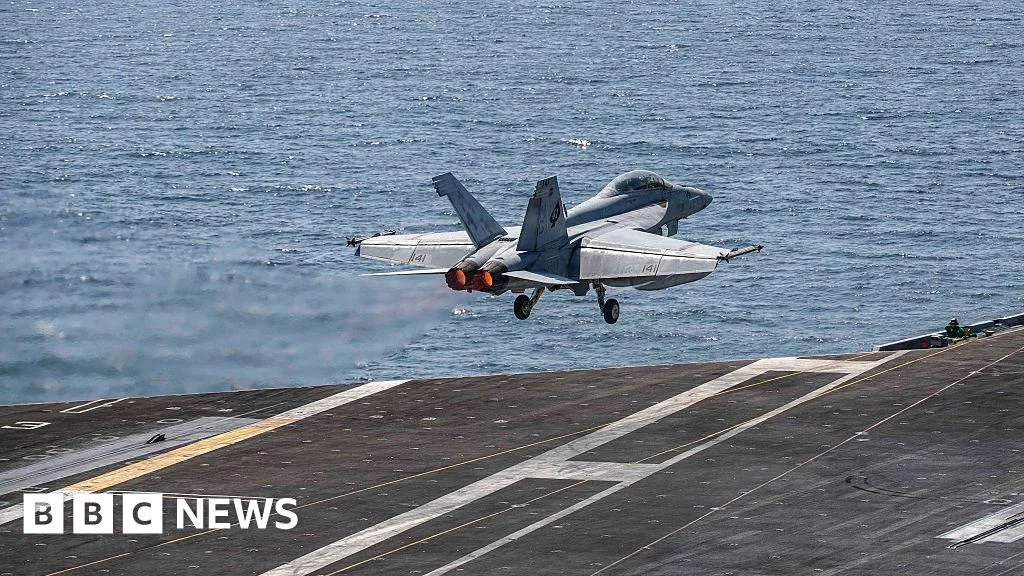
The relative calm that had characterized the Middle East since the April ceasefire has been violently disrupted. On Thursday afternoon, Iran’s Revolutionary Guards confirmed they targeted an American military base in a retaliatory strike following U.S. air raids on Iranian drone facilities near the Strait of Hormuz. This direct exchange of fire represents a significant escalation, as both nations move from proxy conflicts to overt military engagement. The U.S. strikes were reportedly aimed at neutralizing immediate threats to shipping lanes, but the Iranian response suggests a refusal to back down under kinetic pressure, signaling a dangerous new phase in the three-month conflict.
For the Iranian domestic market, this military friction has immediate consequences. The US Dollar in Tehran’s free market moved from 173,000 to 173,200 Toman (+0.1%) within the last 24 hours, reflecting a cautious but growing anxiety among traders. While the jump is currently modest, the psychological floor is shaking as the prospect of a full-scale regional war looms. Investors are closely watching the Strait of Hormuz, where any prolonged disruption could send the Toman into a tailspin and further isolate the Iranian economy from its remaining trade partners who rely on the safe passage of energy exports.
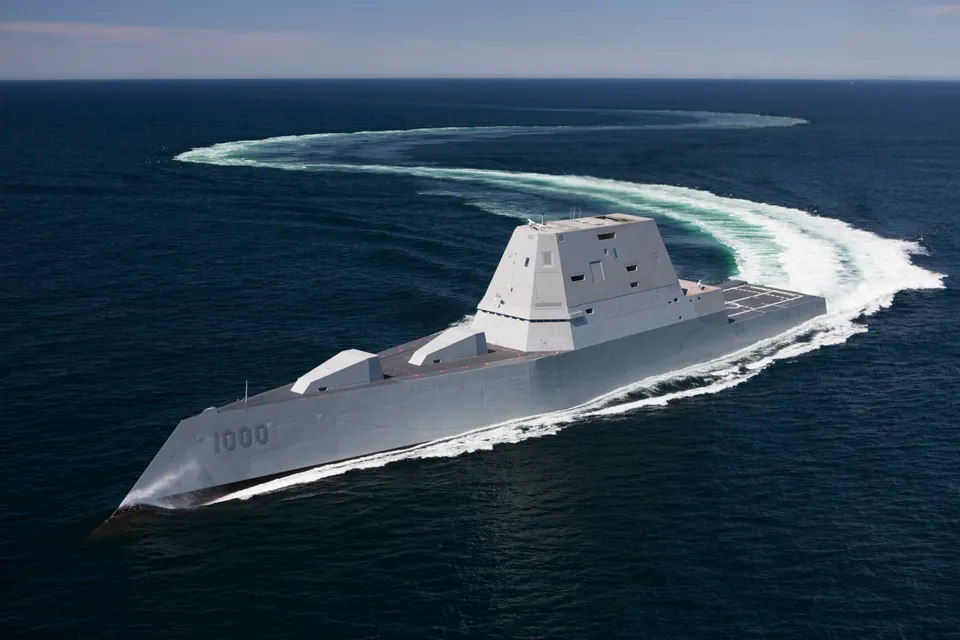
Trump Rejects Diplomacy as 'Oman Threats' Spark Outrage
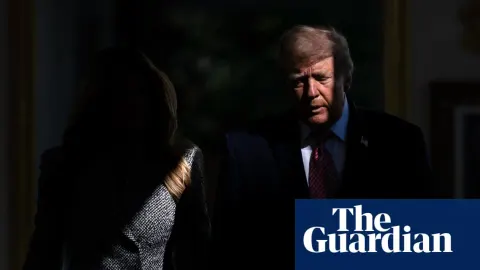
Adding fuel to the fire, President Donald Trump has officially dismissed reports suggesting he was nearing a compromise deal regarding the Strait of Hormuz. This rejection has effectively killed the short-term hope for a diplomatic de-escalation. Furthermore, Tehran has reacted sharply to Trump’s recent rhetoric concerning Oman, describing his threats to "blow up" the sultanate if it did not align with U.S. interests as "dangerous and bullying." This shift in American policy toward traditional mediators like Oman indicates a more aggressive, unilateral approach that leaves little room for the "back-channel" diplomacy that has historically prevented total war in the region.
The collapse of these negotiations is already being felt in the commodities market. While global oil prices are surging due to supply fears, the domestic gold market in Iran is seeing a counter-intuitive correction. Gold 18k per gram dropped from 18,650,907 to 18,445,219 Toman (-1.1%), and the Emami coin fell from 183,000,000 to 181,500,000 Toman (-0.8%). This move likely reflects a liquidity crunch as large players move into hard currency or exit positions to cover losses in other sectors, such as the plummeting crypto market, where liquidations have reached staggering levels.
The Great Exit: Crypto Liquidations and the Climate Tech Pivot
While the geopolitical arena burns, the financial world is witnessing a massive restructuring of capital. The cryptocurrency market saw over $935 million in liquidations over the past few hours as Bitcoin dipped toward the $72,600 mark. Traders who were betting on a "debasement trade"—the idea that Bitcoin and gold would surge as fiat currencies weaken—are being caught in a brutal squeeze. The narrative is shifting; instead of speculative assets, institutional money appears to be rotating into "Climate Tech" IPOs. Companies like Solv Energy and X-energy have successfully gone public, signaling that investors are prioritizing tangible energy infrastructure over digital scarcity during times of kinetic conflict.
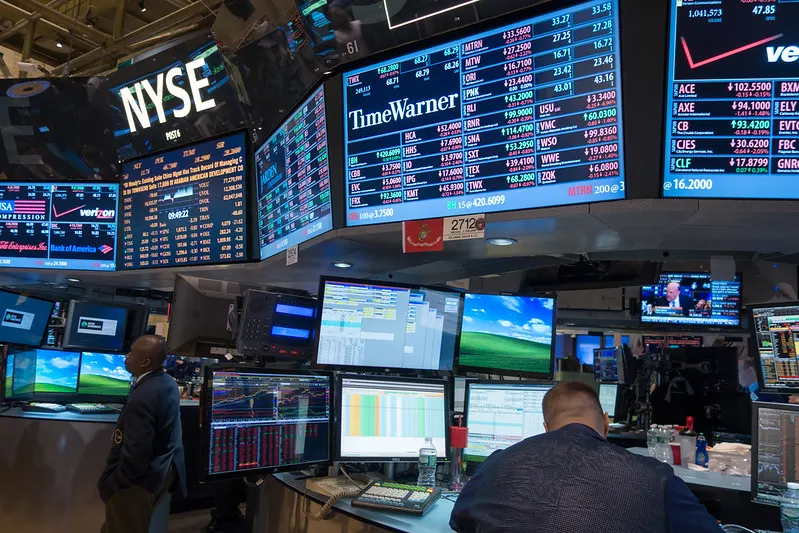
This pivot is crucial for the Iranian reader to understand. The "debasement trade" that fueled the crypto bull run of early 2026 is facing a reality check. If the U.S. continues to maintain high interest rates or if the energy sector becomes the primary driver of the global economy, speculative assets like BTC and ETH may no longer serve as the reliable hedges they once were. For those in Tehran looking to protect their wealth, the focus may need to shift from high-volatility digital assets to more stable commodities or sectors tied to the global energy transition, even as local tensions remain at a boiling point.
Housing Hurdles and Global Economic Shifts
Beyond the immediate theater of war, the global economy is showing signs of a generational struggle. In the United Kingdom, major housebuilders are warning that first-time buyers are facing the toughest conditions since the 2008 financial crisis. This is driven by a "triple threat" of rising interest rates, high student debt, and stagnant wages. While this may seem distant from the streets of Tehran, it reflects a broader global trend of tightening credit and eroding purchasing power for the middle class. As global liquidity dries up to fight inflation and fund military expansions, the cost of living is rising universally.
In Australia, the Albanese government is attempting to counter this trend with aggressive tax reforms aimed at benefiting 90% of young workers. However, these localized policy wins are often overshadowed by the macro-economic gravity of the U.S.-Iran conflict. If the Strait of Hormuz remains a combat zone, the resulting spike in global shipping and energy costs will eventually neutralize any domestic tax relief, whether in Sydney or London. For Iranians, this serves as a reminder that their local economic fate is inextricably linked to the global energy supply chain and the geopolitical whims of the world's superpowers.

Watch
Iran and US trade air strikes after Trump dismisses report of Hormuz deal • FRANCE 24 English
FRANCE 24 English
Frequently Asked Questions
Why did the price of gold in Iran drop despite military tensions?
What is the significance of Trump's comments regarding Oman?
How are Climate Tech IPOs affecting the broader investment landscape?
Understanding Geopolitical Chokepoints: The Strait of Hormuz
In the intricate web of global trade and energy supply, certain geographical features hold disproportionate strategic importance. These are known as geopolitical chokepoints: narrow channels or passages that are crucial for maritime trade, often connecting two larger bodies of water. Disruptions in these chokepoints can have immediate and far-reaching consequences for global economies, energy markets, and international relations.
The Strait of Hormuz stands as arguably the most critical geopolitical chokepoint in the world. This narrow waterway connects the Persian Gulf to the Arabian Sea and beyond, serving as the sole maritime passage for a significant portion of the world's oil and liquefied natural gas (LNG) exports. Over 20% of the world's total petroleum liquids consumption, and a substantial volume of LNG, passes through this strait daily. Countries bordering the Persian Gulf, including Saudi Arabia, Iran, UAE, Kuwait, and Iraq, rely heavily on the Strait for their energy exports, making its security paramount for global energy stability.
When tensions escalate in regions surrounding a chokepoint like the Strait of Hormuz, as indicated by headlines involving military exchanges and threats, the risk of disruption rises sharply. Even the threat of a blockade or military confrontation can send shockwaves through global markets. Oil prices typically spike due to supply uncertainty, increasing transportation costs for goods worldwide and potentially fueling inflation. Such instability can also trigger a flight to perceived safe-haven assets like gold, while simultaneously causing volatility in other markets, including cryptocurrencies like Bitcoin, and putting pressure on local currencies like the Iranian Rial.
Understanding geopolitical chokepoints is essential for comprehending the broader implications of regional conflicts. The interconnectedness of global supply chains means that a localized military strike or political threat in a critical chokepoint can quickly translate into economic instability across continents. It underscores why international diplomacy and the security of these waterways are constant priorities for major powers and global economic institutions.
Topics
Related Articles