Trump Refiles Defamation Suit as Mideast Tensions and Market Jitters Escalate
ترامپ دعوای افترا را مجدداً طرح کرد؛ تنشهای خاورمیانه و نگرانیهای بازار افزایش مییابد
Donald Trump has refiled a $10 billion defamation lawsuit against The Wall Street Journal, a move that comes as escalating U.S.-Iran tensions rattle global markets and impact oil prices. The legal maneuver, coupled with rising geopolitical instability in the Strait of Hormuz, is creating a ripple effect felt from Tehran to Wall Street.
At time of publishing
USD
173,200
Toman
Gold 18K
18.39M
Toman / gram
Bitcoin
$73,232
US Dollar
Tether
174,682
Toman
Trump Refiles $10 Billion Defamation Suit Amidst Escalating Geopolitical Tensions
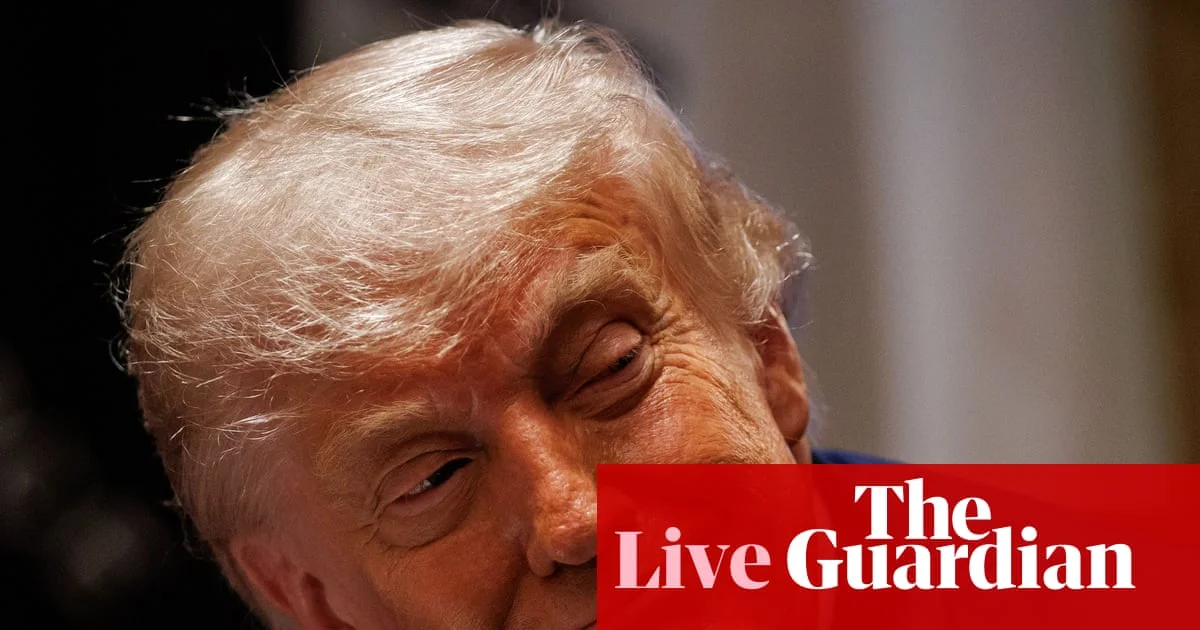
Donald Trump has reignited a significant legal battle by refiling a $10 billion defamation lawsuit against The Wall Street Journal. This legal maneuver, detailed in The Guardian's reporting, centers on a report linking Trump to Jeffrey Epstein. The lawsuit's re-emergence is particularly noteworthy given the current volatile geopolitical climate, especially concerning the Strait of Hormuz. Trump's legal team is pushing forward with this claim, asserting the reporting caused substantial damage to his reputation and business interests.
The timing of this legal action is critical, occurring as the U.S. and Iran engage in heightened military exchanges, impacting commercial shipping lanes. The refiling suggests Trump's campaign is not shying away from aggressive legal and political strategies, even as the broader international stage faces significant instability. This renewed focus on his personal legal entanglements, juxtaposed with global crises, highlights a complex intersection of personal grievances and international affairs.
---
Oil Prices Surge as US-Iran Conflict Intensifies, Disrupting Global Trade
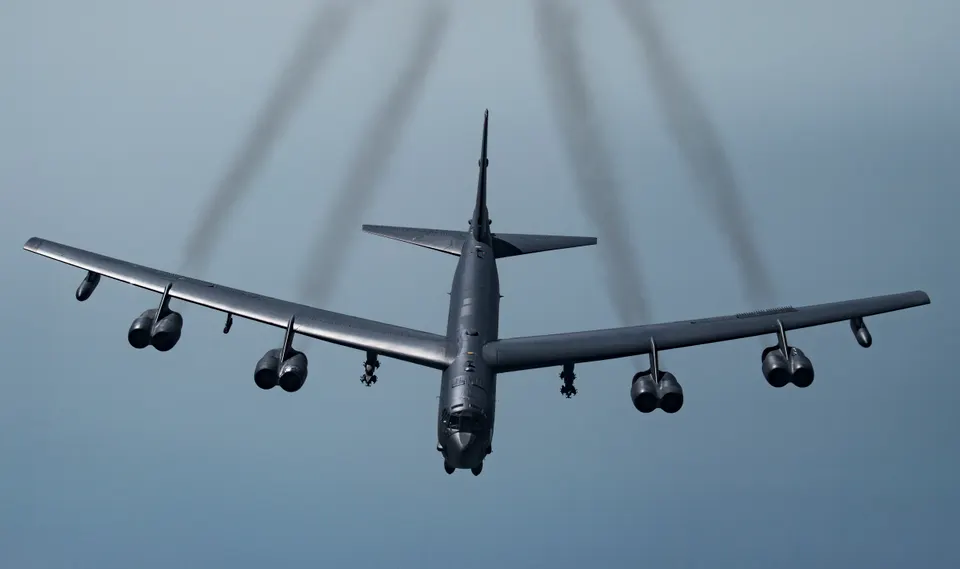
Benchmark crude oil prices have seen a notable increase, driven by escalating conflict between the United States and Iran. Iran announced targeting a U.S. airbase in retaliation for American airstrikes, further inflaming regional tensions. This tit-for-tat escalation has had an immediate and pronounced effect on global energy markets, pushing oil prices upwards as traders price in the increased risk of supply disruptions.
Commercial traffic through the Strait of Hormuz, a vital artery for global energy transport, has once again dwindled to near-zero levels. This disruption is a direct consequence of the heightened military activity and the perceived risk to shipping. The impact is not confined to the immediate region; it reverberates through international supply chains, potentially leading to higher energy costs for consumers worldwide and impacting trade balances. This situation underscores the fragile nature of global energy security when geopolitical flashpoints intensify.
---
Mideast Diplomacy in Flux: Abraham Accords and Regional Realignments
Amidst the escalating military tensions, a curious diplomatic development is unfolding as the prospect of expanding the Abraham Accords is met with bewilderment in the Middle East. Reports indicate that the Trump administration had called for a broader recognition of Israel as a condition for ending the war with Iran. However, analysts express significant skepticism regarding the feasibility of such an expansion under current regional dynamics, suggesting the chances of widespread adoption are exceedingly slim.
This diplomatic initiative, detailed by NYT World, appears out of step with the immediate security concerns and the complex web of relationships in the region. The focus on broadening normalization agreements, while potentially a long-term strategic goal, seems to be overshadowed by the immediate crisis. The baffled reactions from regional players suggest a disconnect between perceived U.S. foreign policy objectives and the on-the-ground realities, where immediate security threats and existing alliances take precedence.

---
Market Watch: Grandchildren's Accounts and Semiconductor Supercycles
In financial markets, a different set of concerns is emerging. MarketWatch highlights a practical query from a reader about the wisdom of setting up brokerage accounts for grandchildren under their daughter's name, specifically mentioning investments in S&P 500-tracking funds, small-cap stocks, and international equities. This question points to intergenerational wealth transfer strategies and the ongoing debate about optimal investment vehicles, even as broader market sentiment is influenced by geopolitical events.
Separately, MarketWatch also discusses the potential for a semiconductor supercycle, drawing parallels to commodity markets. Analysts suggest that despite arguments about sector bubbles, the chip industry might be on the cusp of a new period of sustained growth. This perspective offers a counterpoint to the immediate market anxieties, focusing instead on long-term technological trends and their potential economic impact. The discourse around semiconductors as commodities indicates a maturing industry where supply and demand dynamics are increasingly scrutinized, much like traditional resources.
---
Currency and Coin Update: Toman Holds Steady Amidst Global Turmoil
On Thursday, May 28, 2026, at 15:00 Tehran time, the Iranian Toman showed relative stability despite significant global market volatility. The USD sell rate stood at 173,200 Toman, with a buy rate of 172,175 Toman, reflecting a minor 0.1% increase in the dollar's value against the Toman over the past 24 hours. This slight depreciation indicates a degree of resilience in the local currency amidst escalating international conflicts and their potential economic fallout.
Gold prices, however, experienced a slight downturn. The Emami coin saw a 0.8% decrease, settling at 181,500,000 Toman, and 18k gold per gram dropped by 1.4% to 18,391,892 Toman. This dip in precious metals, while seemingly counterintuitive during times of geopolitical stress, can sometimes occur due to a variety of factors including profit-taking or shifts in global demand. Bitcoin, meanwhile, traded around $73,232, with ETH at $1,984.46, showing broader crypto market reactions to the geopolitical events.
Watch
Iran and US trade air strikes after Trump dismisses report of Hormuz deal • FRANCE 24 English
FRANCE 24 English
Frequently Asked Questions
What is the latest development in Donald Trump's legal battles?
How are the US-Iran tensions affecting global oil prices and trade?
What is the current status of the Iranian Toman against the US Dollar?
Are there any significant shifts in Middle Eastern diplomatic initiatives?
What is the outlook for the semiconductor industry?
The Strait of Hormuz: A Global Energy Chokepoint
The Strait of Hormuz is a narrow, strategically vital waterway connecting the Persian Gulf to the open ocean. Flanked by Iran to the north and Oman's Musandam Peninsula to the south, this maritime passage is less than 40 miles wide at its narrowest point. Despite its modest size, it serves as the sole sea passage from the Persian Gulf for a significant portion of the world's crude oil, making it an indispensable artery for global energy supply.
Its importance stems from the fact that it is the primary transit route for oil exports from major producers like Saudi Arabia, Iran, Iraq, Kuwait, Qatar, and the UAE. Approximately one-fifth of the world's total petroleum consumption, and roughly one-third of all seaborne traded oil, passes through the Strait daily. Any disruption to this flow, whether due to geopolitical tensions, military action, or even the threat of such events, has immediate and profound implications for international oil prices and global energy security.
Geopolitical tensions, particularly between the United States and Iran, frequently highlight the Strait's vulnerability. Threats to close or disrupt shipping in the Strait of Hormuz have historically led to sharp spikes in crude oil prices, as traders anticipate potential supply shortages. This sensitivity makes the Strait a barometer for stability in the Middle East, with "market jitters" directly correlating to perceived risks in the region. The economic ripple effects extend globally, impacting inflation, transportation costs, and the overall stability of international markets.
Understanding the Strait of Hormuz is crucial for comprehending how regional conflicts in the Middle East can quickly escalate into global economic concerns. It underscores the interconnectedness of geopolitics, energy markets, and international trade, demonstrating how a relatively small geographical feature can hold immense sway over the world economy and the daily lives of billions.
Topics
Related Articles